
What can we learn about science and faith from those who lived before the rise of modern science? On a new episode of ID the Future, I welcome Center for Science and Culture Senior Fellow Winston Ewert, a software engineer and intelligent design research scientist, to the podcast to discuss his new book, The Heavens, the Waters, and the Partridge, a closer look at the interaction between Christianity and science in the thousand years before modern science.
Contextualizing Modern Debates
Why pay attention to ancient scientific debates and specifically how early Christian thinkers responded to them? What could possibly be gained from going that far back? As Ewert points out, quite a lot. First, understanding the history of science before the scientific revolution can help us properly contextualize modern debates between faith and reason. Ewert argues that studying obsolete scientific issues — those that are no longer live or partisan — provides a unique advantage: it allows for objective analysis without the heat and passion found in modern controversies. By examining how the early church interacted with the science of its day, we discover that modern challenges to Christianity are often rooted in ancient philosophies like Epicureanism, rather than being entirely new phenomena.
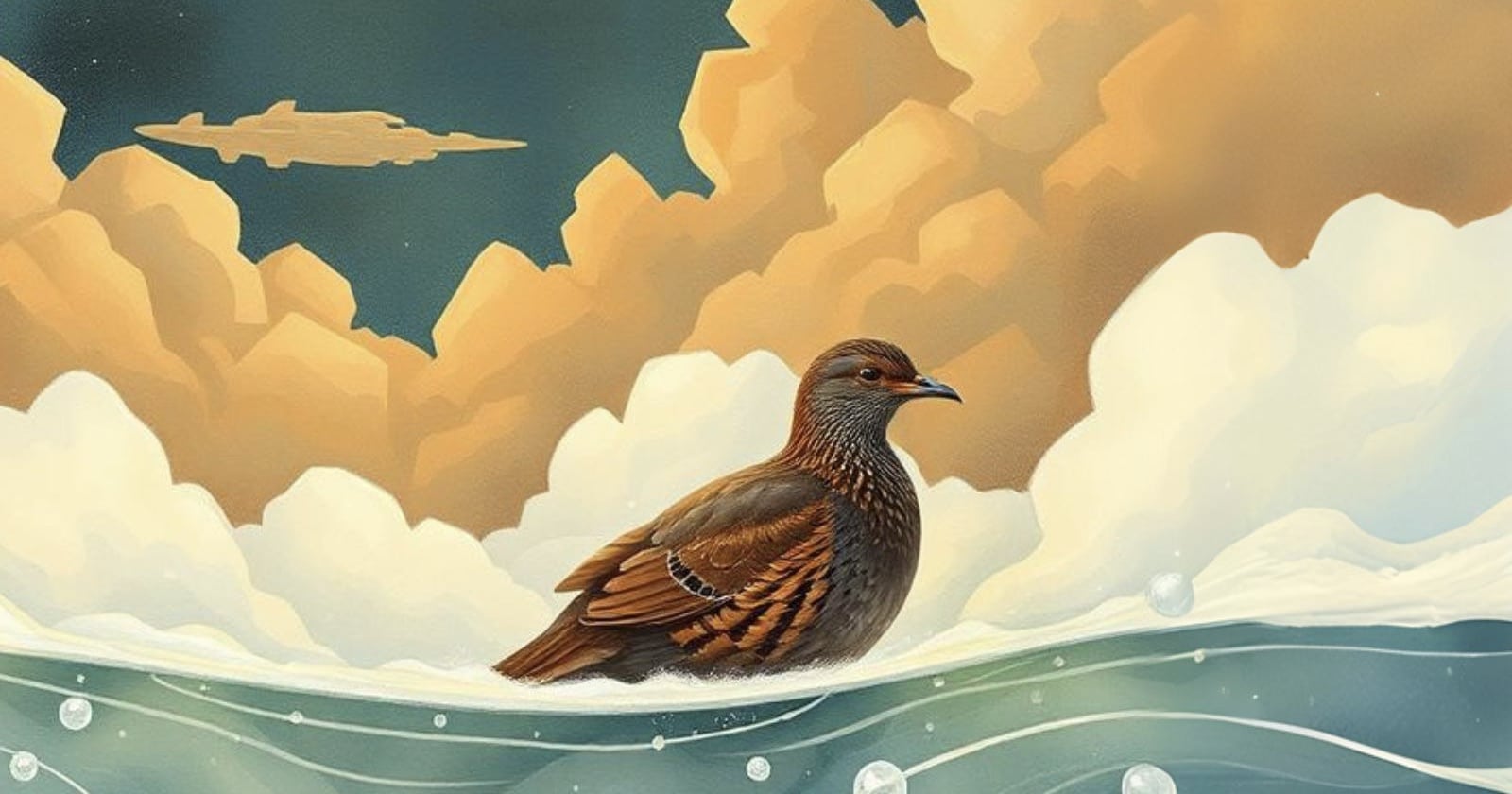 Image source: Inkwell Press.
Ewert also argues that we can sharpen our thinking by studying these bygone debates. Ancient and medieval thinkers possessed impressive reasoning powers despite lacking modern technology and data. Ewert suggests that while modern science excels in data collection, it can sometimes lead to intellectual laziness. In other words, our predecessors had to work harder to synthesize limited information into coherent models of the universe. Recognizing the long track record of the church successfully navigating scientific challenges, notes Ewert, can dispel false narratives that Christianity is inherently at odds with discovery. That means a more balanced perspective for engaging in current scientific issues.
Download the podcast or listen to it here. This is Part 1 of a two-part conversation. Look for Part 2 next!
Dig Deeper