
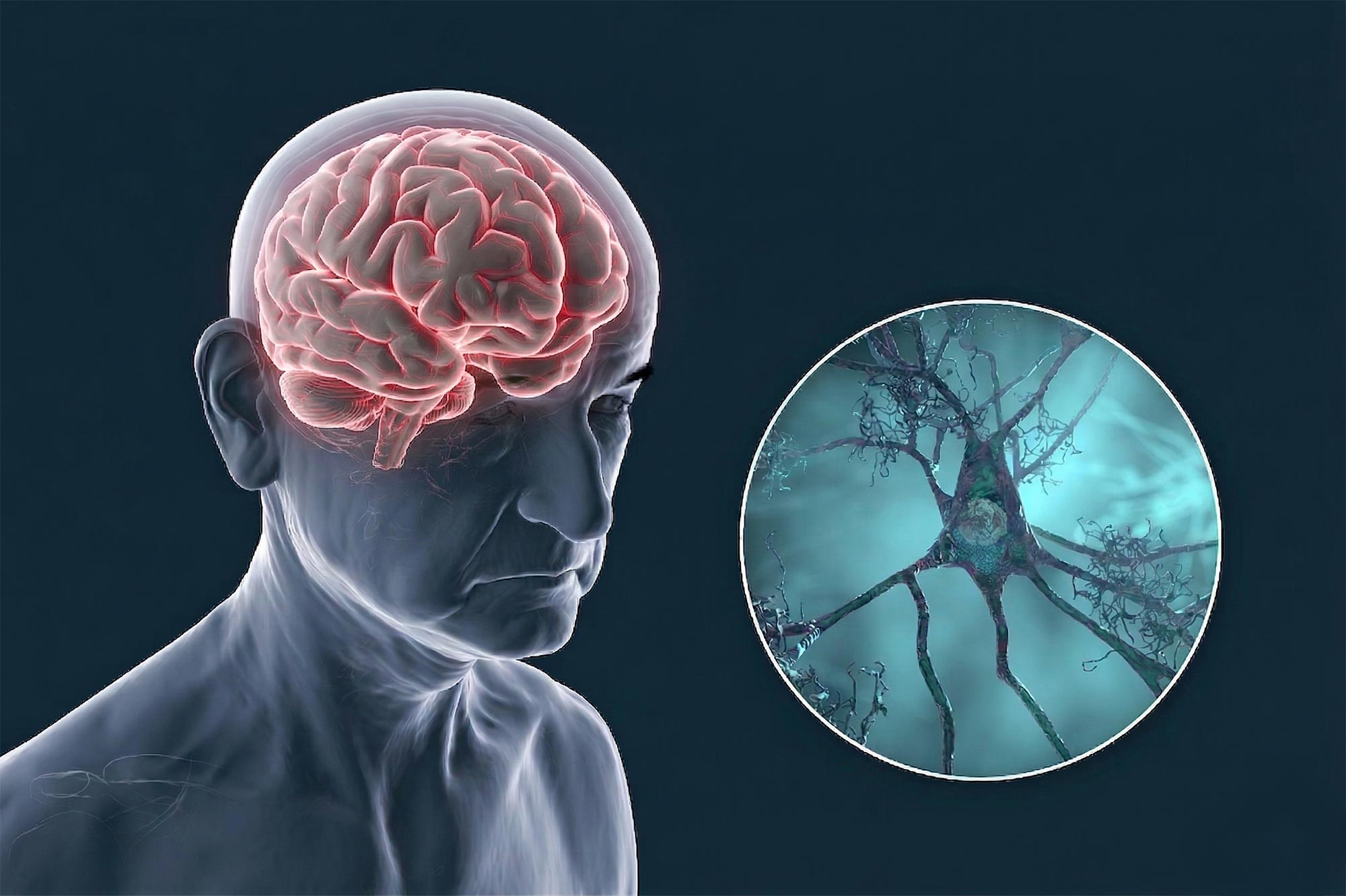
New insights suggest that Alzheimer’s cannot be tackled through a single pathway, as its roots extend across molecular, genetic, and systemic processes.
Alzheimer’s disease is one of the biggest medical challenges of an aging world.
It is the most common cause of dementia, a broad term for conditions that damage memory, thinking, and behavior enough to disrupt daily life. It develops slowly as nerve cells in the brain stop working properly and die, leading to worsening problems with memory, language, judgment, and eventually basic independence.
Treatments such as lecanemab and donanemab have raised hopes, but they still fall short of reversing the disease or rebuilding damaged brain function.
A detailed review in Science China Life Sciences by Professor Yan-Jiang Wang and colleagues explores why treatments aimed at a single target have fallen short. The researchers explain that AD arises from a complex interaction of factors, including amyloid-beta (Aβ) buildup, Tau protein tangles, genetic risk, aging-related changes, and broader systemic health issues, all of which point to the need for more comprehensive treatment strategies.
The Multifaceted Architecture of AD
The review dissects critical areas of AD research:
- Beyond Aβ: Although Aβ remains a central focus, targeting it alone has produced limited clinical benefits. New approaches are increasingly addressing Tau hyperphosphorylation, which contributes to neurofibrillary tangles and the loss of neurons.
- The Genetic Landscape: Genetics play a major role in Alzheimer’s risk. In addition to the well-known APOE ε4 variant, scientists are investigating population-specific genetic factors and exploring genome editing tools such as CRISPR/Cas9 as potential one-time treatments.
- Aging as a Driver: Aging is the strongest risk factor for AD and is linked to mitochondrial dysfunction, cellular aging, and DNA damage. The review points to “senolytic” therapies that remove aged glial cells as a possible way to support brain function.
- Systemic Health: Broader health conditions, including insulin resistance, high blood pressure, and gut microbiome imbalances, can worsen Alzheimer’s progression. Strategies such as repurposing diabetes medications and targeting the gut-brain axis are emerging as promising options.
Future Directions
The authors emphasize a shift from “reductionist” thinking toward “integrated strategies.” This includes developing therapies that target multiple disease pathways, using advanced human iPSC-derived organoids to test treatments, and applying precision medicine guided by early biomarkers such as plasma pTau217.
“Success in defeating Alzheimer’s hinges on interdisciplinary collaboration and holistic innovation,” the authors conclude. They suggest that this more unified approach could help transform Alzheimer’s from an incurable condition into one that can be managed or even prevented.
Reference: “Advances in Alzheimer’s disease: mechanistic insights and therapeutic targets” by Yu-Juan Jia, Yi-Jun Ge, Bowei Li, Ying Yang, Huaqiu Chen, Jie Liu, Jun-Hong Guo, Jin-Tai Yu, Ke-Qiang Ye, Jian-Zhi Wang, Weihong Song and Yan-Jiang Wang, 23 January 2026, Science China Life Sciences.
DOI: 10.1007/s11427-025-2991-7
Never miss a breakthrough: Join the SciTechDaily newsletter.
Follow us on Google and Google News.