
Southern Ocean —(Map)
By exploring deep under the Southern Ocean, researchers have discovered 30 unusual species that are new to science. The species include a sponge that eats animals, worms that eat bones, and several new sea stars and sea worms.
The Southern Ocean is the body of water that surrounds Antarctica. It’s hard for scientists to study because it’s so far away, and because of the challenges of working in the extreme conditions there. But scientists believe the Southern Ocean could be home to many species that haven’t been discovered yet.
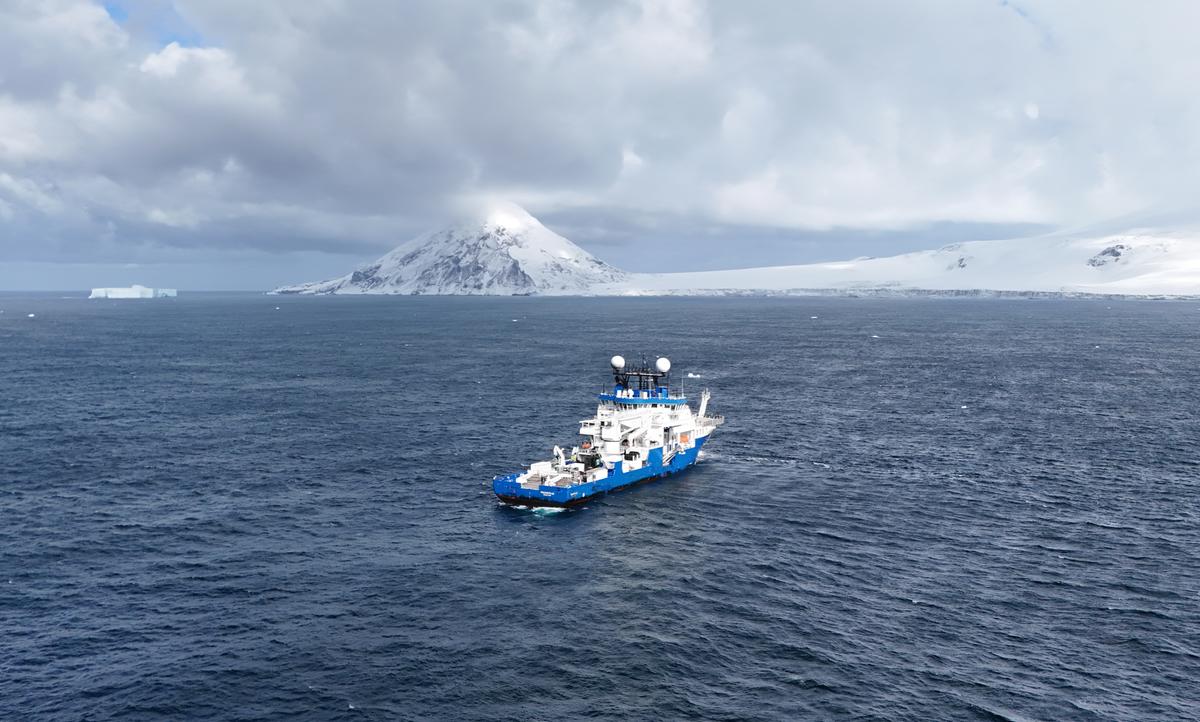
(Source: Paul Satchell/The Nippon Foundation-Nekton Ocean Census/Schmidt Ocean Institute © 2025.)
The R/V Falkor (too) is a research ship that belongs to the Schmidt Ocean Institute. Scientists from The Nippon Foundation-Nekton Ocean Census used this ship on two research trips in the Southern Ocean earlier this year.
The team used a special remote-controlled underwater vehicle to explore the sea floor. The vehicle, called SuBastian, went deep below the surface, taking pictures and videos, and collecting samples. By the end of the trip, the team had collected almost 2,000 animal samples.

(Source: Alex Ingle [CC BY-NC-SA], Schmidt Ocean Institute.)
Since then, the scientists have been studying the animals they collected, and working to identify them. In some cases, they’re using the animals’ DNA to help determine their species.
So far, the researchers have discovered 30 new species.
One of the most unusual is a meat-eating sea sponge with a ball-like shape. Sea sponges are animals, and most trap food by filtering water. But these sponges have tiny hooks that help them catch other animals to eat. Because of its shape, the scientists called it a “death-ball” sponge. It was found 2.25 miles (3.6 kilometers) below the ocean’s surface.
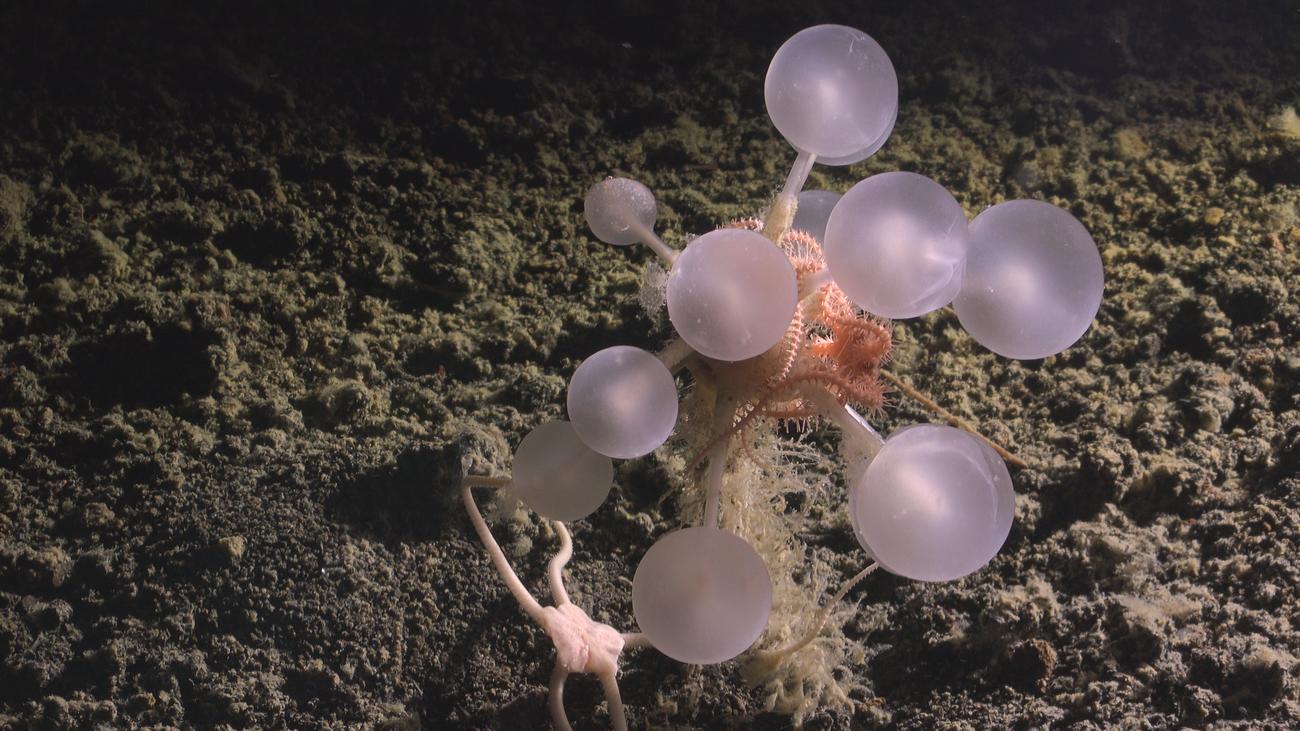
(Source: The Nippon Foundation-Nekton Ocean Census/Schmidt Ocean Institute © 2025.)
The team also discovered a new species of “zombie worms”. These worms aren’t really zombies, but they eat the soft material inside the bones of dead whales and other big sea creatures.
Several new kinds of sea stars and worms were also discovered. Some of these animals are able to live in the extreme conditions found near volcanoes on the sea floor.
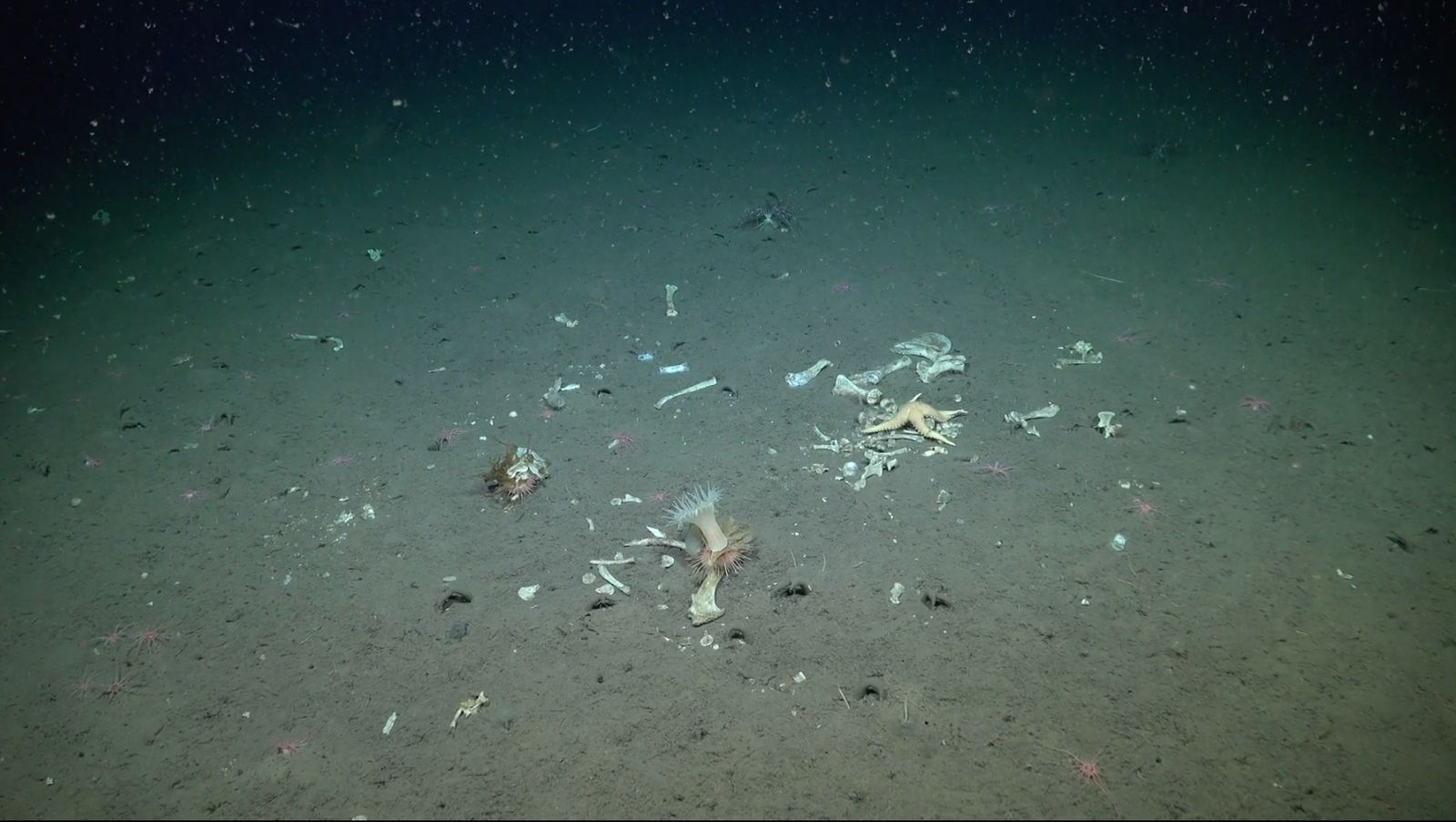
(Source: The Nippon Foundation-Nekton Ocean Census/Schmidt Ocean Institute © 2025.)
Normally, identifying new species is a long process. It sometimes takes 10 years or more. But the team is speeding things up by holding “species discovery workshops” with world experts.
The scientists say the discoveries show how much remains to be learned about the sea life of the Southern Ocean. So far, they’ve only studied about 30% of the samples they collected. They expect to discover many more new species in the future.
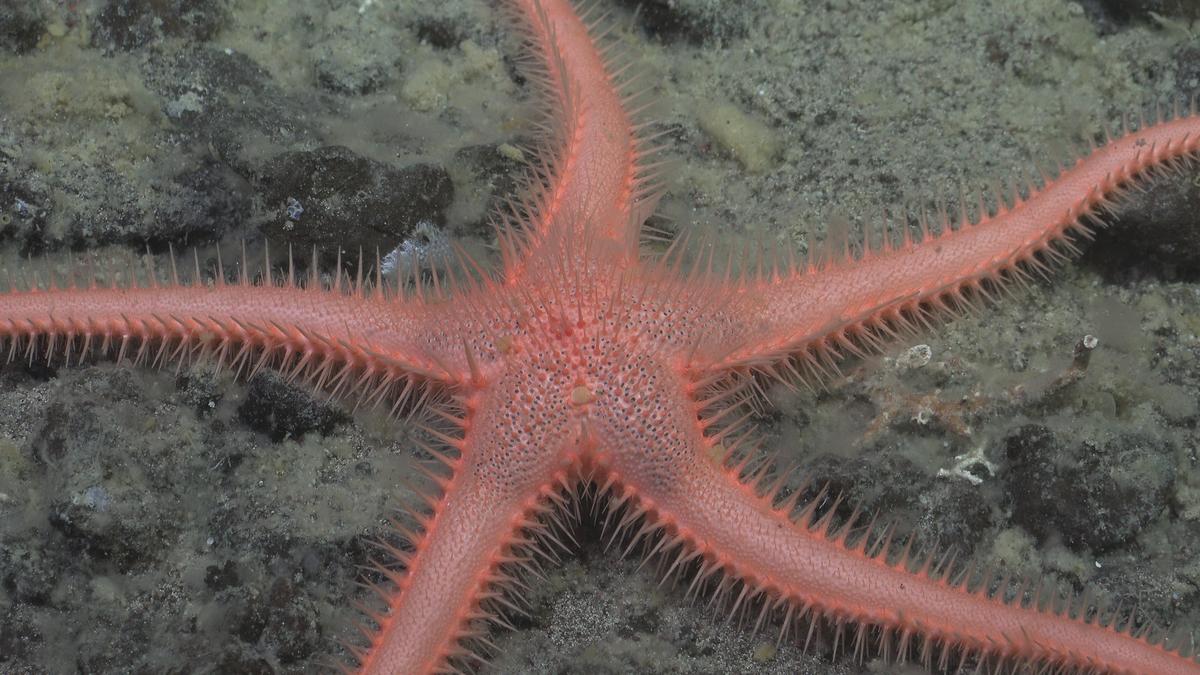
(Source: The Nippon Foundation-Nekton Ocean Census/Schmidt Ocean Institute © 2025.)
In fact, the researchers are hoping to find 10,000 new species over the next 10 years as part of their project. The information on the new species will be added to a special database that will be open to everyone.
Did You Know…?
The R/V Falkor (too) was already in Antarctica when the scientists aboard learned about an iceberg the size of Chicago breaking off from an ice shelf in January. Some of the researchers involved in the work above also took part in exploring the sea floor underneath an iceberg for the first time ever.
😕
This map has not been loaded because of your cookie choices. To view the content, you can accept ‘Non-necessary’ cookies.