
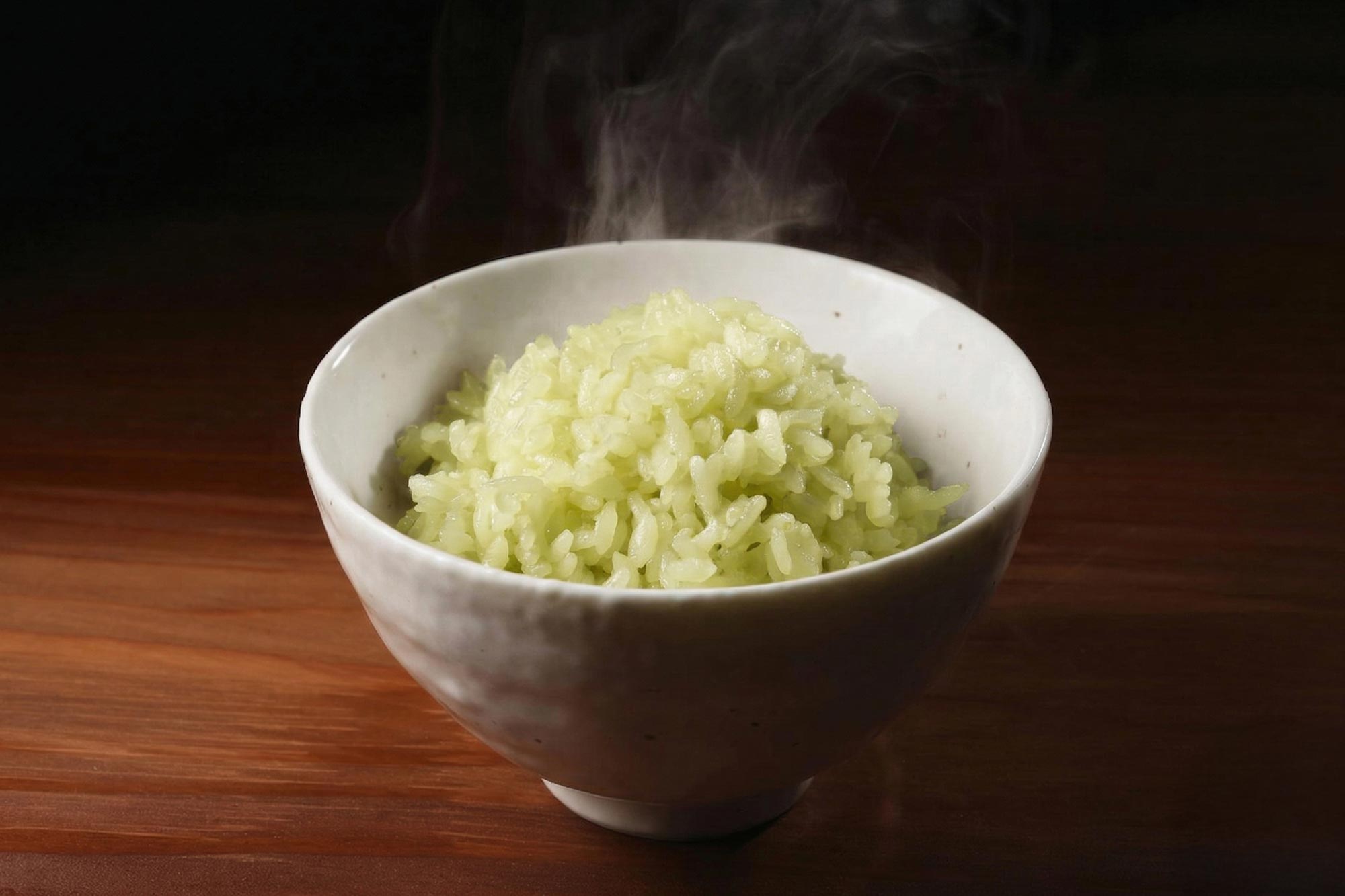
Rice may seem simple, but new research reveals a hidden layer of complexity within its smallest components.
Rice is a staple food for more than half of the global population, yet its full nutritional profile is not completely understood. Over 85% of rice consists of starch, along with modest amounts of protein (around 10%), fat (roughly 2%), vitamins, and trace elements. Because lipids make up such a small portion, they have often been overlooked, even though they play important roles in nutrition, flavor, and grain quality.
To explore this gap, researchers at Hokkaido University examined japonica rice, a short- to medium-grain type commonly known as Japanese rice. This variety becomes soft and slightly sticky when cooked and represents about 15% of global rice consumption. The team analyzed 56 japonica cultivars from across Japan, including brown, red, green, and black rice. Their results were published in the journal Food Research International.
“Although lipids make up only a small proportion of rice, they are critical in determining its nutritional value,” explains lead author Associate Professor Siddabasave Gowda. “They help maintain cell membrane integrity, store energy, and support essential signaling processes in the body.”
Advanced Tools Reveal Hidden Complexity
Modern analytical methods, including liquid chromatography and mass spectrometry, now allow scientists to examine food lipids in far greater detail. Using these techniques, the researchers identified 196 distinct lipid molecules across five major groups in japonica rice.
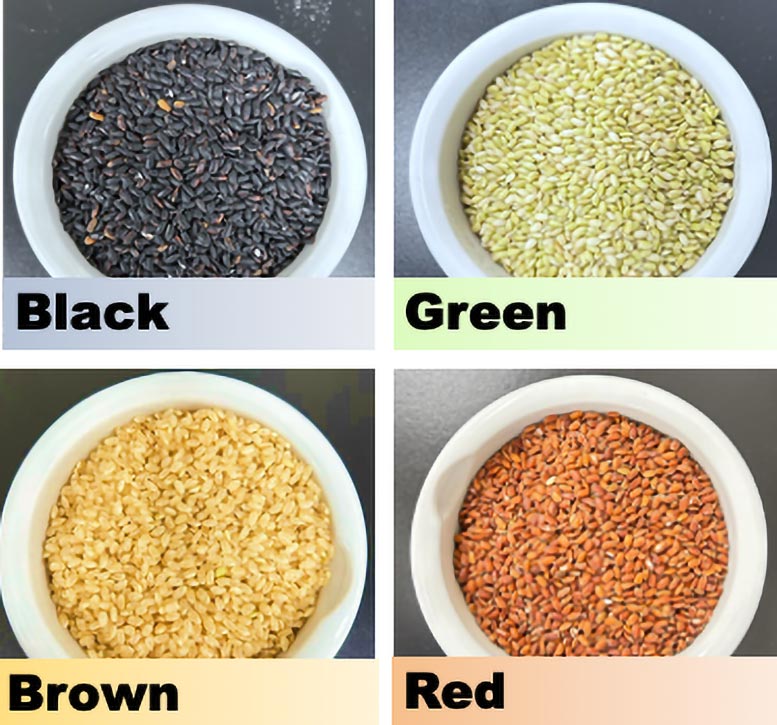
They also found that pigmented varieties, especially black and green rice, show a higher health-promotion index due to their unique lipid profiles. These varieties contain compounds such as FAHMFAs (fatty acid esters of hydroxy medium-chain fatty acids) and LNAPEs (N-acyl-lysophosphatidylethanolamines), which have been associated with anti-inflammatory effects and improved metabolic health in certain biological systems. This is the first report of FAHMFAs in rice.
Effects on Blood Sugar
The team also investigated how pigmented rice influences blood sugar by simulating digestion in the lab. Cooked samples were exposed to digestive enzymes to measure how quickly their starches broke down, which indicates how rapidly blood sugar levels may rise after eating.
Black and green japonica rice caused a slower increase in blood sugar compared with white rice. This suggests their starch is digested more gradually and released into the bloodstream at a slower rate. These properties could make pigmented rice useful for developing foods that support heart health, help regulate blood sugar, and lower the risk of lifestyle-related conditions such as type 2 diabetes.
This research is part of a broader effort to identify previously unknown bioactive lipids using advanced analytical tools. “Our research group has discovered novel bioactive lipids in Japanese dietary fish, herbal teas, and seaweeds,” Gowda adds, “helping to shed light on Japan’s underexplored lipid-rich food resources.”
“People may be interested in learning about the health benefits of different pigmented rice varieties and, based on this knowledge, choosing the type that best suits their needs,” says Gowda. “We also hope our findings will support the development of new ‘functional’ rice products to better manage diabetes and other lifestyle-related diseases.”
Reference: “Lipidomic profiling of 56 japonica rice cultivars and identification of novel fatty acid esters of hydroxy fatty acids” by Lipsa Rani Nath, Siddabasave Gowda B. Gowda, Divyavani Gowda, Perumalsamy Parasuraman, Wei Qin and Shu-Ping Hui, 13 November 2025, Food Research International.
DOI: 10.1016/j.foodres.2025.117895
Never miss a breakthrough: Join the SciTechDaily newsletter.
Follow us on Google and Google News.