
At this time yesterday, there were only nine toilets in space. Today, the freshly-launched Orion space capsule’s commode makes it an even 10.
- Orion (on its way around the moon): 1
- Crew Dragon Docked at ISS: 1
- Soyuz Docked at ISS: 1
- Shenzhou Docked at TSS: 1
- Tiangong Space Station: 2
- International Space Station: 4
However, the toilet did have a bit of a rocky start only a few hours into the mission. Mission specialist Christina Koch noted an issue with booting up the part of Orion’s waste management system that collects urine.
“The toilet fan is reported to be jammed,” NASA spokesperson Gary Jordan said during live mission commentary, per BBC. “Now the ground teams are coming up with instructions on how to get into the fan and clear that area to revive the toilet for the mission.”
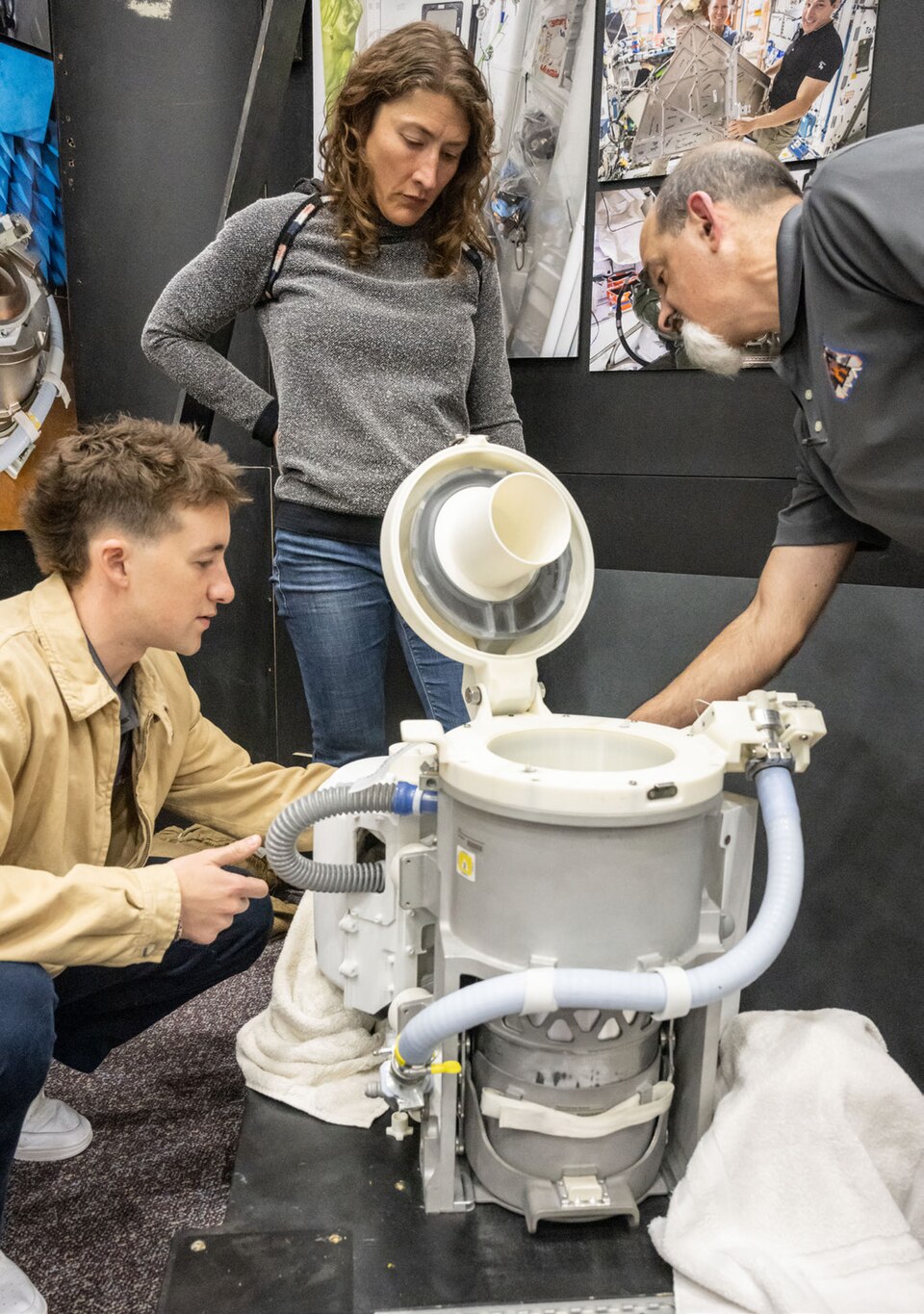
According to NASA’s director of flight operations Norm Knight, a controller issue on the toilet caused the malfunction. Importantly, they astronauts could still use it to poop. The crew worked closely with mission control in Houston and restored the toilet to normal operations.
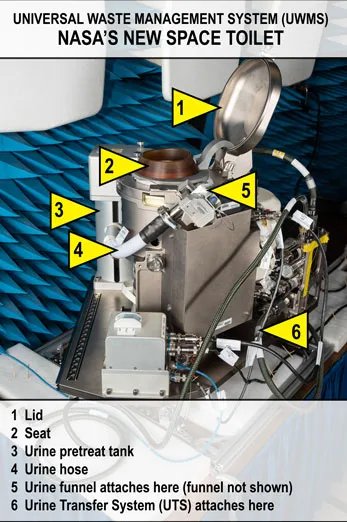
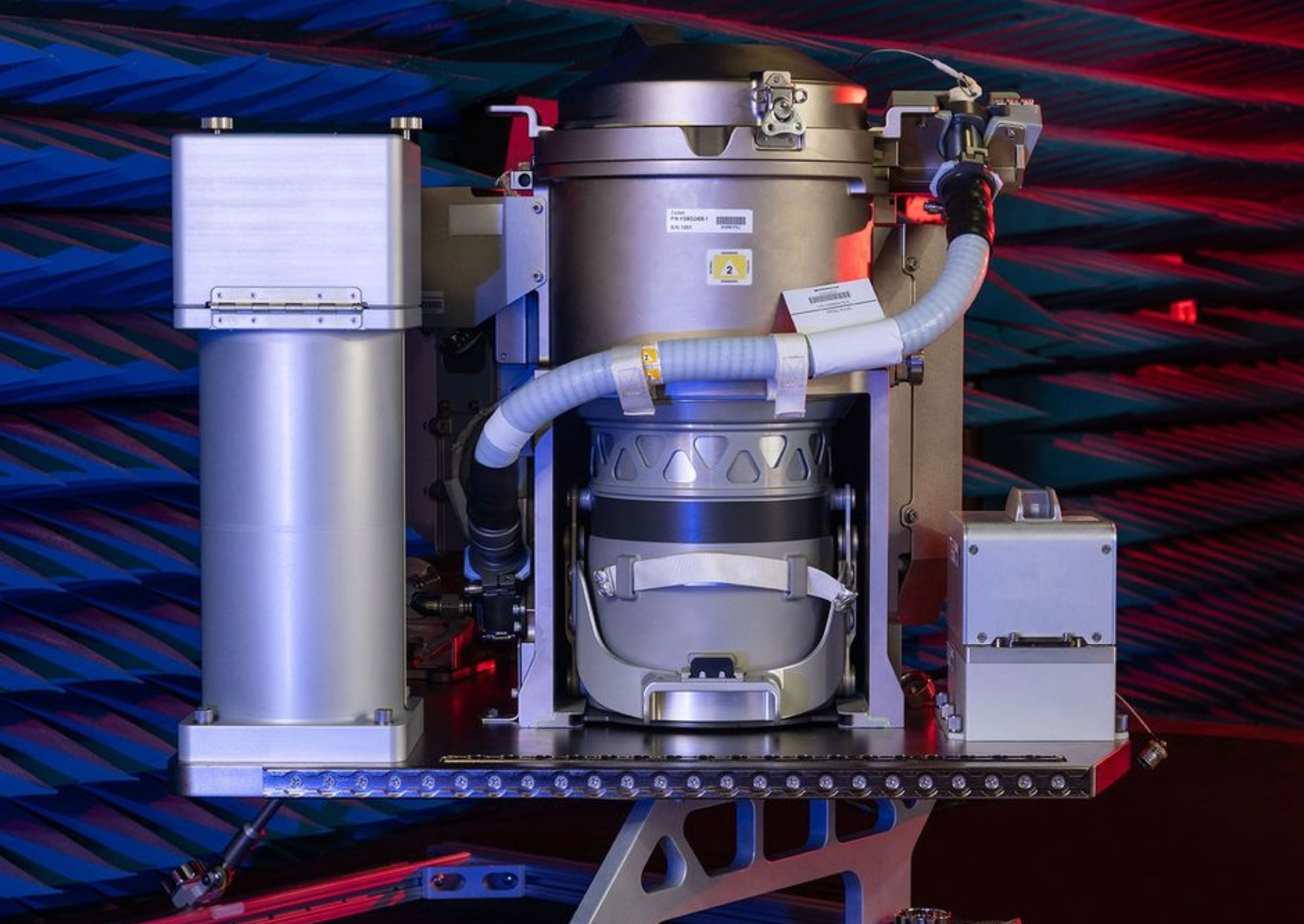
The high-tech toilet will serve the four intrepid astronauts of the Artemis II crew as they make their 10-day journey around the moon. Officially called the Universal Waste Management System( UWMS), this compact 5-cubic-foot space toilet is especially designed for microgravity. It uses airflow to urine and solid waste. Poop is stored in odor-controlled canisters, and the pre-treated urine is vented overboard daily. The toilet also has a redesigned seat and funnel to, “improve comfort and usability for all astronauts.” The word “universal” in UWMS is a key component. Its central design concept means that it can be easily integrated into different spacecraft and life support systems for future missions.
On Wednesday April 1 at 6:35 p.m. EDT, NASA’s SLS (Space Launch System) rocket lifted off from Launch Pad 39B at Kennedy Space Center in Florida. NASA astronauts Reid Wiseman, Victor Glover, Christina Koch, and CSA (Canadian Space Agency) astronaut Jeremy Hansen will travel roughly 685,000 miles on their trip around the moon and back.
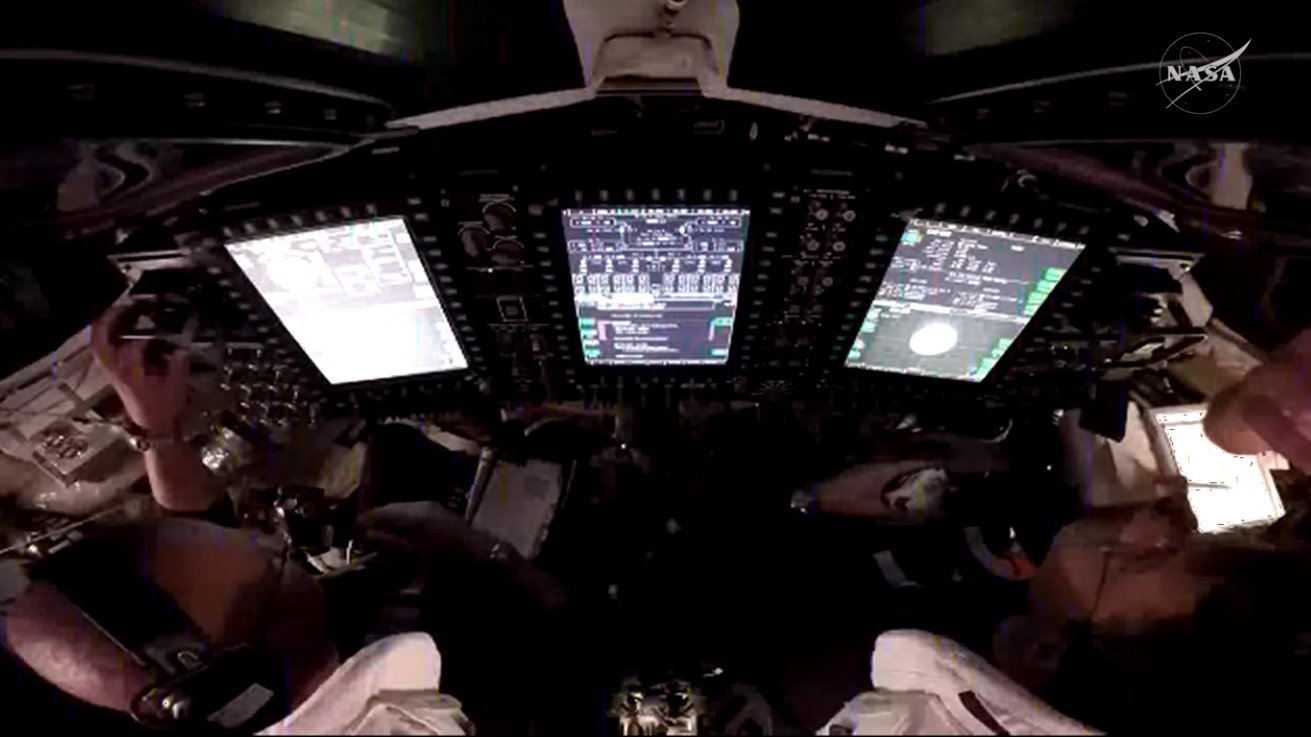
The spacecraft will stay in high Earth orbit for about a day, while the crew conducts a manual pilot demonstration to test-out Orion’s handling capabilities. At its farthest, Artemis II will be roughly 250,000 miles away from Earth. On April 6, the crew may surpass Apollo 13’s record of 248,655 miles away from Earth.

2025 PopSci Best of What’s New