
The modern mascot platforming scene might be taken up by the names of yore. Mario, Kirby, Sonic and the like, but there’s always space for a new name, and we’d love for it to be Darwin the octopus. Darwin’s Paradox! is heading our way in just a few weeks, and ahead of the game’s launch on the 2nd of April, we chatted with art director Mikael “Mika” Tanguy and gameplay director Gilles Aujard from ZDT Studio about Darwin himself, the mechanics of the game, how long it takes to beat, and more. Enjoy!
Q: Darwin’s Paradox! feels unlike anything we’ve seen in gaming in recent years. What drew you to the concept of the adventures of an octopus?
Mika: The idea of an octopus as a protagonist came from a dream I had over a decade ago—an octopus lost in an industrial world, using its natural abilities to survive. Octopuses are fascinating creatures: intelligent, adaptable, and full of personality. They can camouflage, squeeze into tiny spaces, and even solve puzzles— qualities that make them perfect for a game blending stealth, platforming, and storytelling. We wanted to create something fresh, playful, and emotionally engaging, and an octopus gave us the freedom to explore mechanics and themes that felt truly unique.
Gilles: An octopus isn’t just a character; it’s a gameplay revolution. Its biology allowed us to reimagine stealth and platforming in ways that feel organic and intuitive. Darwin’s abilities—like climbing in 360 degrees, using ink defensively, and camouflaging—are all rooted in real octopus behavior, but we amplified them to create something cartoony, fun and surprising. It’s rare to find a protagonist that so perfectly dictates the game’s design, and Darwin did exactly that.

This is an ad:
Q: What can you say about the character of Darwin? What kind of octopus are we controlling in the game?
Mika: Darwin is an Octopoedia ceruleanus—a fictional species we created to reflect his intelligence, adaptability, and charm. He’s not your typical hero; he’s vulnerable, clever, and full of personality. Visually, he’s expressive and cartoonish, but his movements and abilities are grounded in realism. He’s a survivor, using his wits and natural talents to navigate a world that’s hostile to him. Players will connect with his resilience and humor, which make him feel relatable despite being an octopus!
Gilles: Darwin is a natural superhero. He’s not a soldier or a warrior—he’s a small, resourceful octopus who thrives by outsmarting his enemies. His abilities feel instinctive, yet they open up creative possibilities for gameplay. Whether he’s climbing walls, squirting ink to distract foes, or camouflaging to hide, every action is tied to his character. He’s a hero who embodies adaptability, and that’s what makes him so fun to play.
This is an ad:
Q: In the demo, it was clear Darwin had a lot of powers, such as camouflage. What other abilities can we unlock?
Gilles: Darwin’s abilities evolve as players progress. Beyond camouflage, he can use his ink in creative ways—like creating a smoke screen to take cover from enemies, or blind security cameras. His tentacles allow him to climb any surface, squeeze through tight spaces, and even manipulate objects in the environment. We’ve designed these abilities to feel organic and versatile, so players can experiment and find new solutions to puzzles and stealth challenges. Every skill ties into Darwin’s character and the game’s themes of adaptability and resilience. We wanted every ability to feel like a natural extension of who Darwin is.
Q: I also noticed a costume Darwin wears is a nod to a certain master of stealth. Are there a lot of costumes for us to equip in the game?
Mika: Yes! The demo featured a special “Sneaky Snake” skin as a fun homage to our collaboration with Metal Gear Solid, and that costume will be available in the full game. Players who preorder the game will also receive two exclusive bonus skins, created as a special thank-you for early supporters. We’ve also included other costumes that reflect Darwin’s personality and the game’s humor. These outfits aren’t just cosmetic— they’re a way to celebrate Darwin’s journey and give players a chance to personalize their experience. Expect a mix of playful, nostalgic, and even absurd designs!
Gilles: The costumes are our way of adding a layer of fun and creativity to the game. They’re a nod to the genres and characters that inspired us, but they also reflect Darwin’s adaptability.
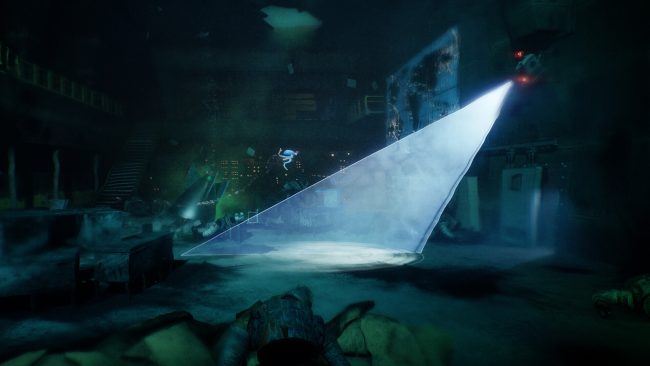
Q: Darwin’s Paradox is an adventure that seems perfect for an animated movie, but I hope it runs for longer than an hour and 30 minutes. How long does a playthrough of the game take approximately?
Gilles: A typical playthrough of Darwin’s Paradox! will take around 5 to 7 hours, depending on how much time players spend exploring, solving puzzles, and uncovering secrets. The game is designed to be replayable, with hidden areas and collectibles that encourage players to revisit levels. We wanted to create an experience that feels cinematic but offers the depth and challenge of a full-fledged adventure.
Mika: The pacing is carefully crafted to balance tension, exploration, and humor. We’ve structured the game so that players can take their time to soak in the atmosphere or dive straight into the action. The world is rich with details, and we hope players will want to return to discover everything Darwin’s journey has to offer.

Q: We’ve seen a fair few octopuses in gaming over the years. What do you think makes this animal an interesting choice for a protagonist?
Mika: Octopuses are inherently fascinating—they’re intelligent, mysterious, and full of surprises. Their biology lends itself perfectly to gameplay: camouflage, ink defense, agile movement, and problem-solving skills. But beyond mechanics, octopuses have a unique charm. They can be funny, eerie, and endearing all at once, which gives us a lot of room to play with tone and storytelling. Darwin isn’t just a character; he’s a symbol of resilience and creativity, which makes him stand out in gaming.
Gilles: An octopus protagonist allows us to explore themes of adaptation and survival in a way that feels fresh and organic. Darwin’s abilities aren’t just tools—they’re extensions of his character. Players don’t just control a hero; they embody an octopus, with all the fluidity and ingenuity that entails. It’s a perspective that’s rare in gaming, and it’s what makes Darwin’s Paradox! so special.
Q: The world seems to have been overtaken by aliens in Darwin’s Paradox. Are humans aware of this, and is it up to Darwin to save Earth?
Mika: The aliens in Darwin’s Paradox! represent an external threat. Humans in this world are largely unaware of the aliens’ true nature, as the invaders operate behind the scenes, manipulating industries and environments. Darwin’s journey isn’t just about escaping; it’s about uncovering the truth and, in his own small way, disrupting the aliens’ plans. Though not a conventional hero, his actions significantly impact and challenge the established order.
Gilles: Darwin’s role is more about survival than saving the world in a grand sense. His story is personal—he’s an outsider fighting to return home, and his struggle mirrors the broader theme of nature’s ability to adapt and thrive even in hostile conditions. The game doesn’t put the weight of the world on his tentacles, but his journey is a powerful statement about ingenuity and hope.
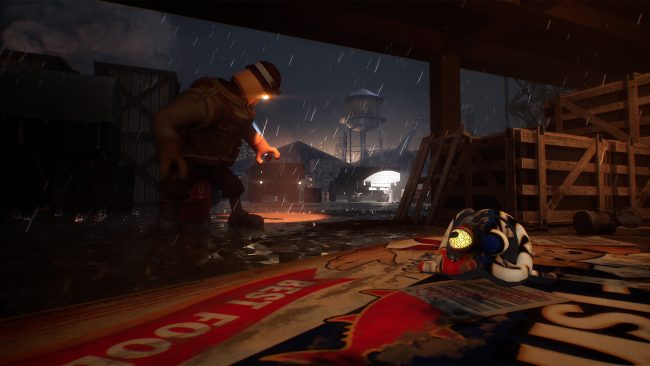
Q: How does Darwin’s Paradox take the classic adventure platformer formula and bring it to the modern era?
Gilles: We took the core elements of classic platformers—precise movement, environmental puzzles, and narrative-driven exploration—and infused them with modern technology and design sensibilities. Darwin’s Paradox! uses Unreal Engine to create a world that feels alive, with dynamic lighting, fluid animations, and seamless transitions between gameplay and cinematics. We also put strong emphasis on making the gameplay feel organic and intuitive, with each new environment naturally introducing fresh mechanics throughout the adventure. Every gameplay evolution is carefully woven into the world and narrative, ensuring that new abilities and interactions always feel meaningful, justified, and seamlessly connected to Darwin’s journey. The result is a game that honors the past while pushing the genre forward.
Mika: Visually, we blended cartoonish charm with cinematic depth, inspired by classics like Looney Tunes and modern games like Inside and Ori. The 2.5D perspective allows us to control the pacing and storytelling tightly, creating a linear but immersive experience. We also removed traditional UI elements to deepen immersion, so players feel like they’re part of Darwin’s world rather than just playing a game.

Q: Will Darwin and Steven the Seagull ever get along?
Mika: (laughs) Steven the Seagull is Darwin’s nemesis. Their relationship is a mix of rivalry and comic relief. Players will have to see for themselves how their story unfolds!
Gilles: Steven is there to add humor and contrast to Darwin’s journey. Their interactions are chaotic, but they’re part of what makes the world of Darwin’s Paradox! so vibrant. You’ll have to play to find out if they ever truly get along—but expect plenty of laughs along the way!

Darwin’s Paradox! launches on the 2nd of April for Xbox Series X/S, PS5, PC, and Nintendo Switch.