
The thing about the Antwerp Six is that they were never really meant to be the “Antwerp Six”.
The story, as it’s told, begins with a van. Six young designers, Ann Demeulemeester, Dries Van Noten, Walter Van Beirendonck, Dirk Bikkembergs, Dirk Van Saene, and Marina Yee, loaded their collections into the back and headed to London in 1986.
They arrive at the British Designer Show to find themselves placed on the second floor, somewhere between bridalwear and latex. So they make flyers, hand them out themselves, and – after a big order from Barneys New York – change contemporary fashion. It’s neat. But like most neat stories, this one obscures as much as it reveals.
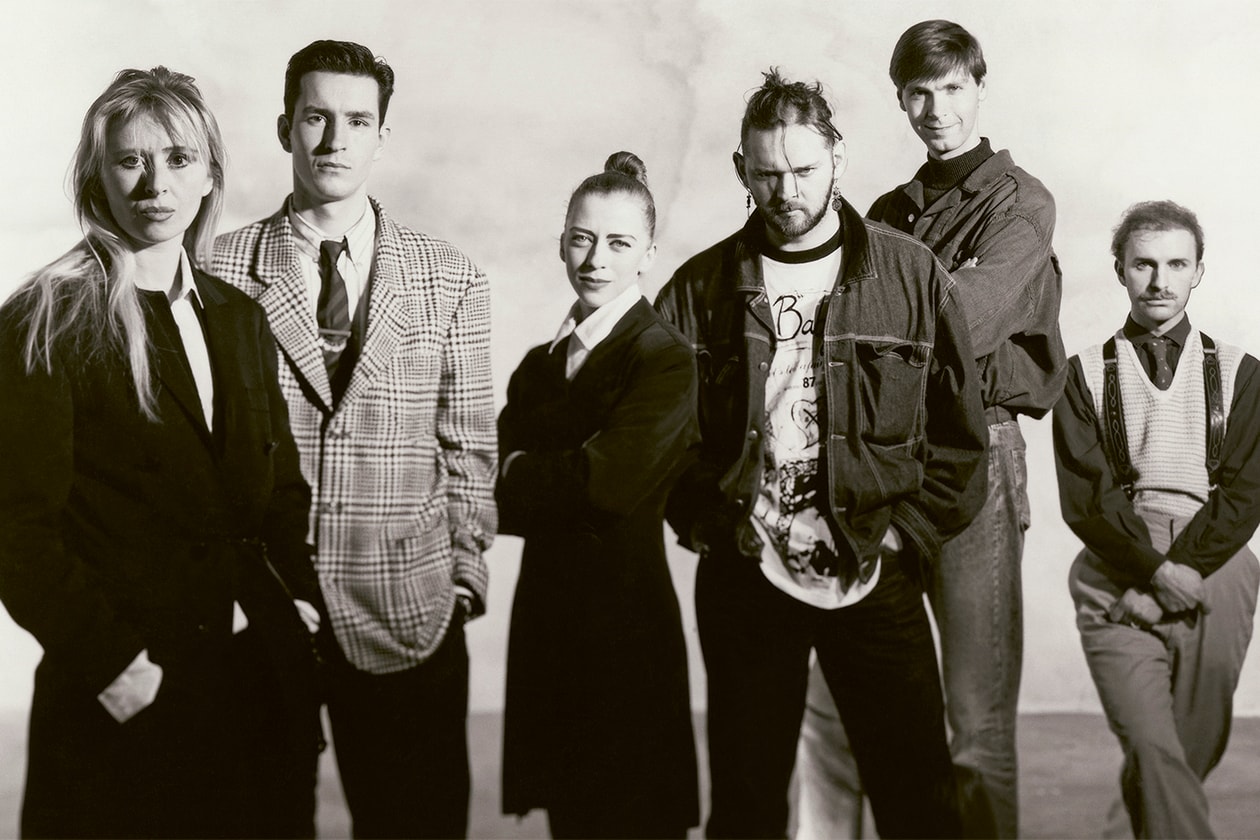
The Antwerp Six, 1986Karel Fonteyne
MoMu’s new exhibition, The Antwerp Six, marking 40 years since that London breakthrough, leans into the gaps. It celebrates this moment in time, but it also begins to pull at its edges – questioning what, exactly, the Antwerp Six ever were in the first place.
“The Antwerp Six never really existed in the way we think it did,” says curator Romy Cockx.”They got to know each other at the Academy, but when they went together to London, it was only three years that they really presented together. It’s a bit of a myth that kept on living.”
What follows from that is less a rewriting of history than a reframing of it. Because while the term has come to function as shorthand for a particular moment in fashion, it was never something the designers themselves set out to define.
The name, famously, was coined by the British press, partly out of necessity – journalists were struggling to spell their names correctly – and partly out of convenience. Their individual practices were distinct, their aesthetics divergent. What bound them together was something more practical: proximity, friendship, and a shared need to be seen.
That pragmatism is key. The decision to present in London was not born of a manifesto, but of logistics. They could share a van. Split costs. Amplify their presence. As Cockx puts it, they “reinforced each other”, even as they developed entirely different creative languages.
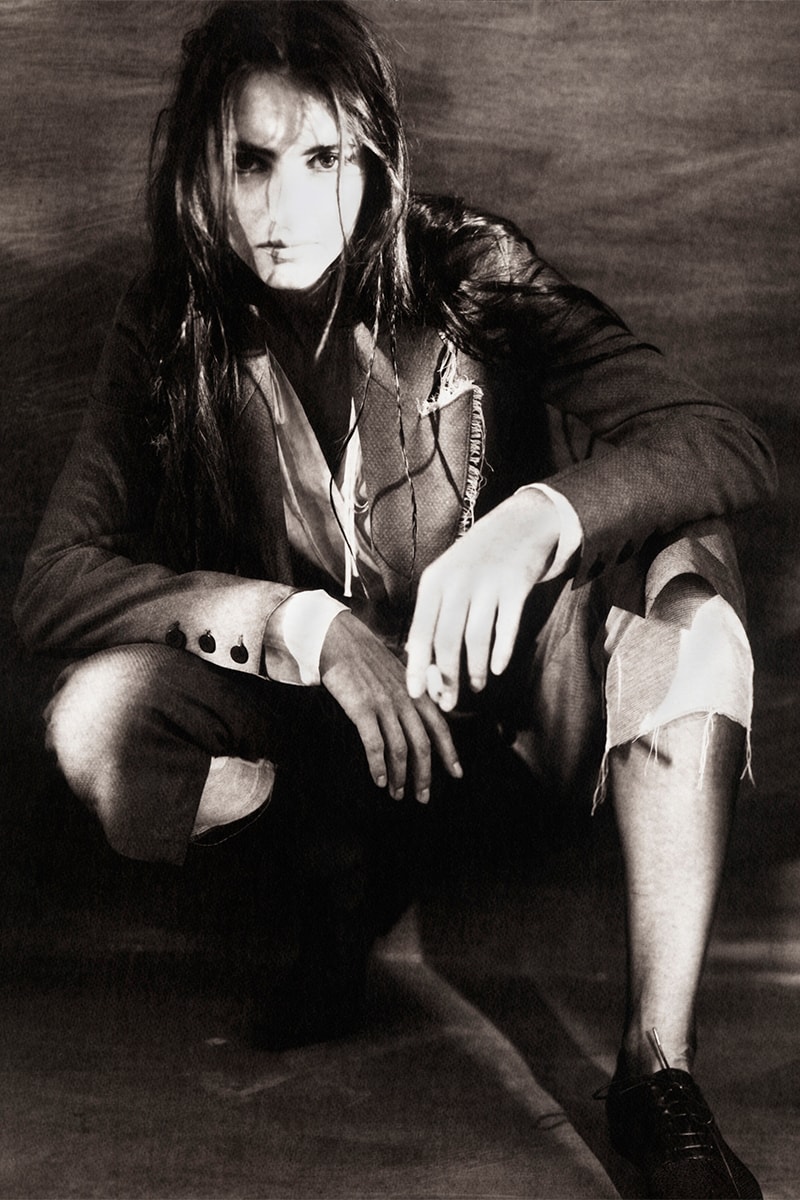
Ann Demeulemeester, SS90Patrick Robyn
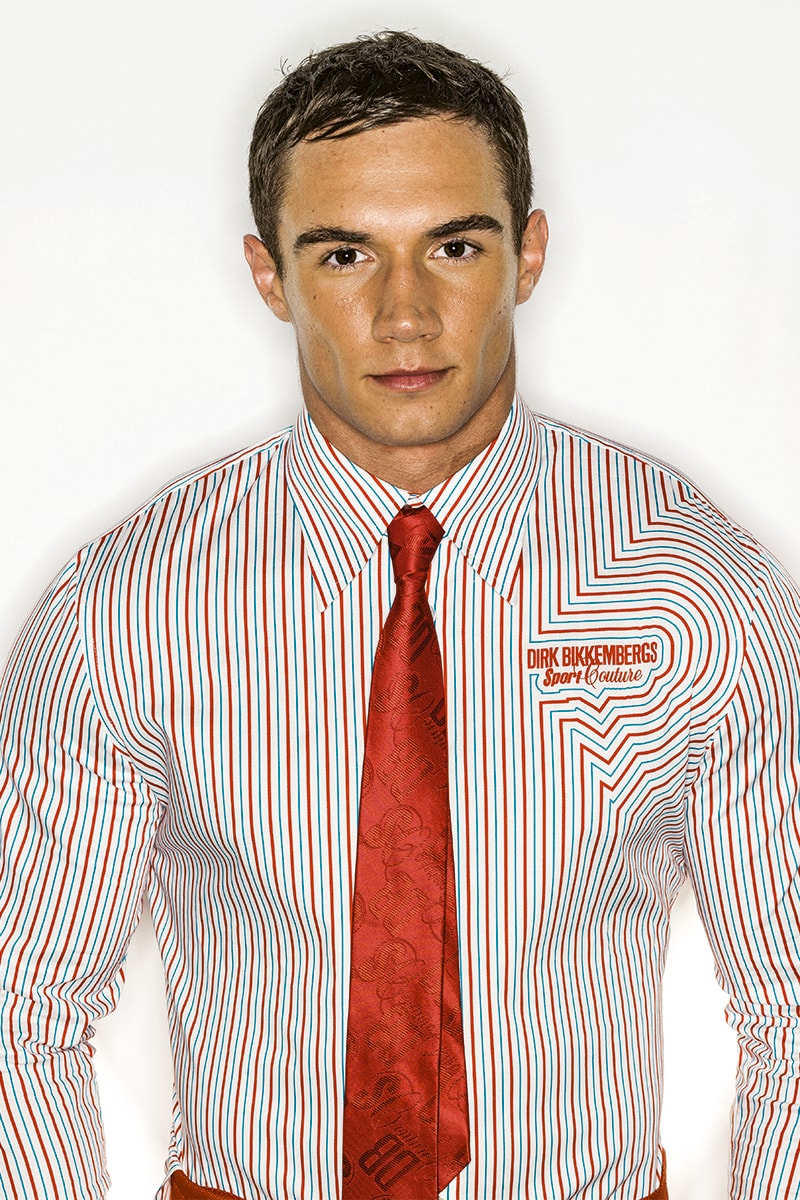
Dirk Bikkembergs, SS07Luc Willaime
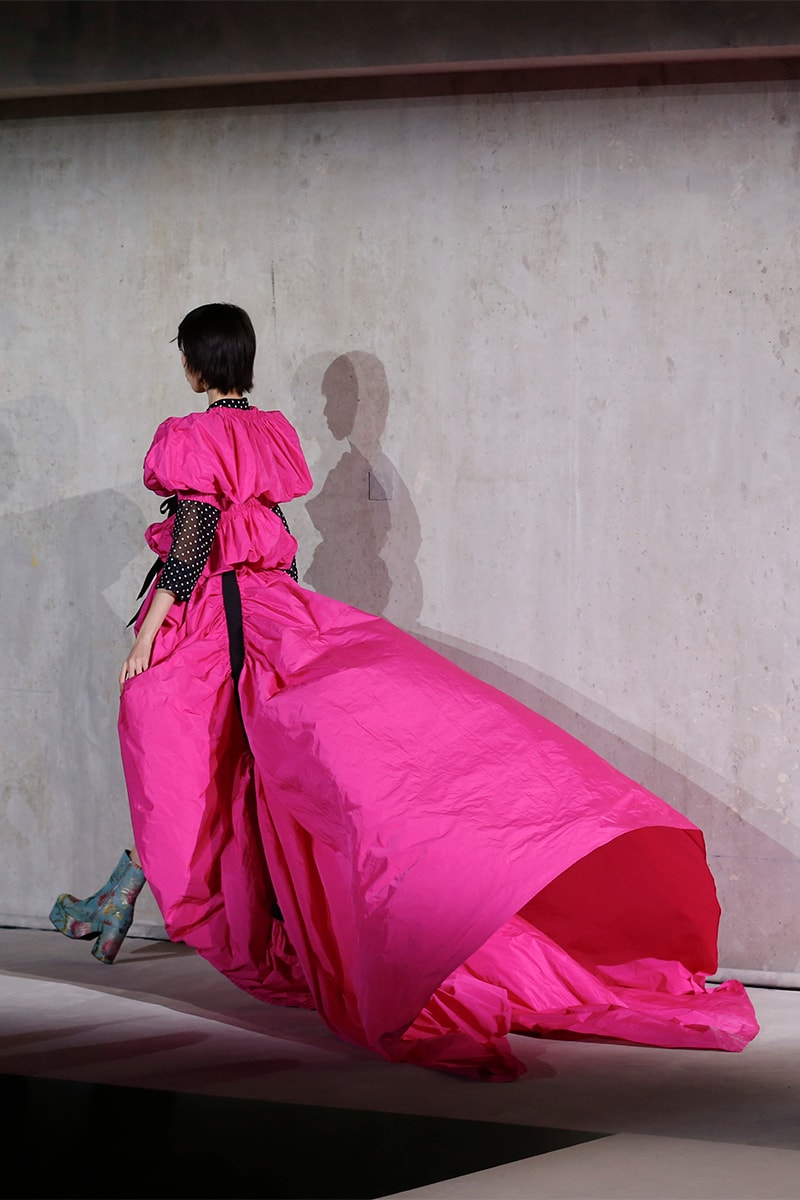
Dries Van Noten, SS20Yannis Vlamos
Walter Van Beirendonck, SS93Ronald Stoops

Dirk van Saene, AW89Ronald Stoops

Marina Yee, SS88Andrew Macpherson
If anything, the exhibition suggests, the Antwerp Six more moment than movement – a brief alignment of six individuals, each with their own trajectory, their own ambitions, their own voice.
To understand that moment, the show moves outward, situating the designers within the cultural and economic landscape of the late 1970s and early 1980s. Fashion was shifting rapidly. The established codes of Parisian couture were being challenged by a new generation, by the theatrical excess of Jean Paul Gaultier and Thierry Mugler, and by the conceptual deconstruction of Rei Kawakubo and Yohji Yamamoto.
At the same time, Antwerp itself was undergoing its own transformation. A city with a strong textile industry but little international fashion identity, it became an unlikely incubator for a new kind of creativity, one shaped by art, nightlife, and a distinctly independent approach to design.
What emerges in the exhibition is not a singular narrative but a network of influences. The Royal Academy of Fine Arts, where all six studied and were mentored by Mary Prijot, fostered an environment that prioritised individuality above all else. This emphasis on difference is reflected in the exhibition’s scenography. Rather than presenting the Six as a cohesive unit, each designer is given their own space, an installation that speaks to their individual practice. The effect is deliberately disjointed, resisting the urge to smooth over contradictions or impose coherence where it doesn’t naturally exist.
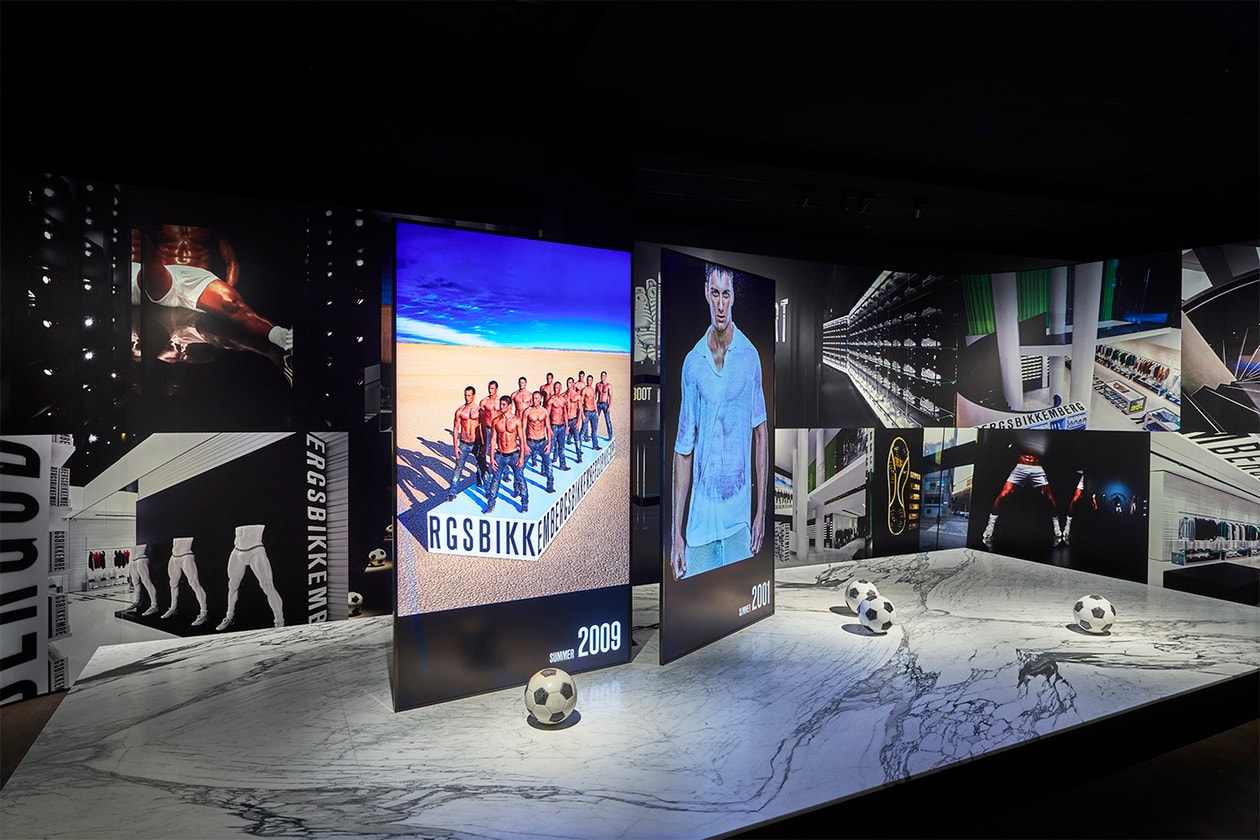
Dirk BikkembergsCourtesy Of Momu
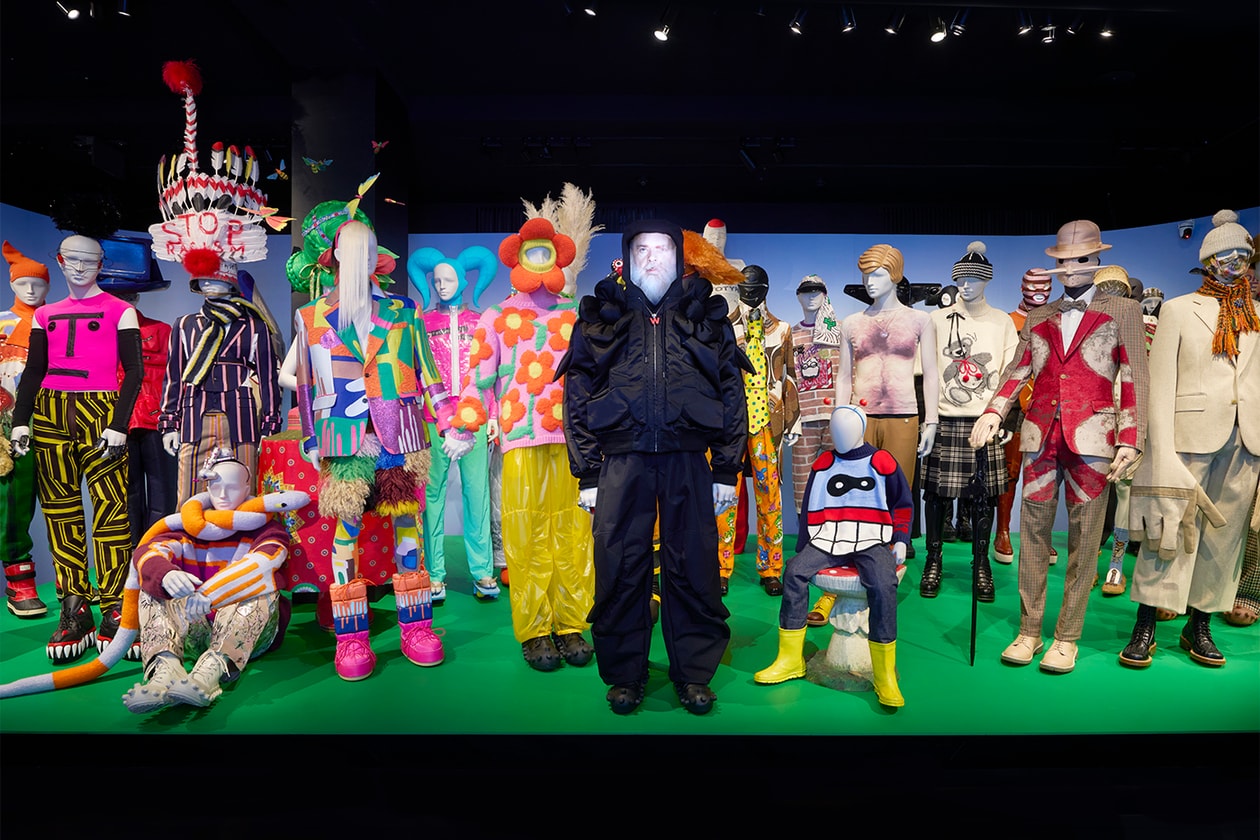
Walter Van BeirendonckCourtesy Of Momu
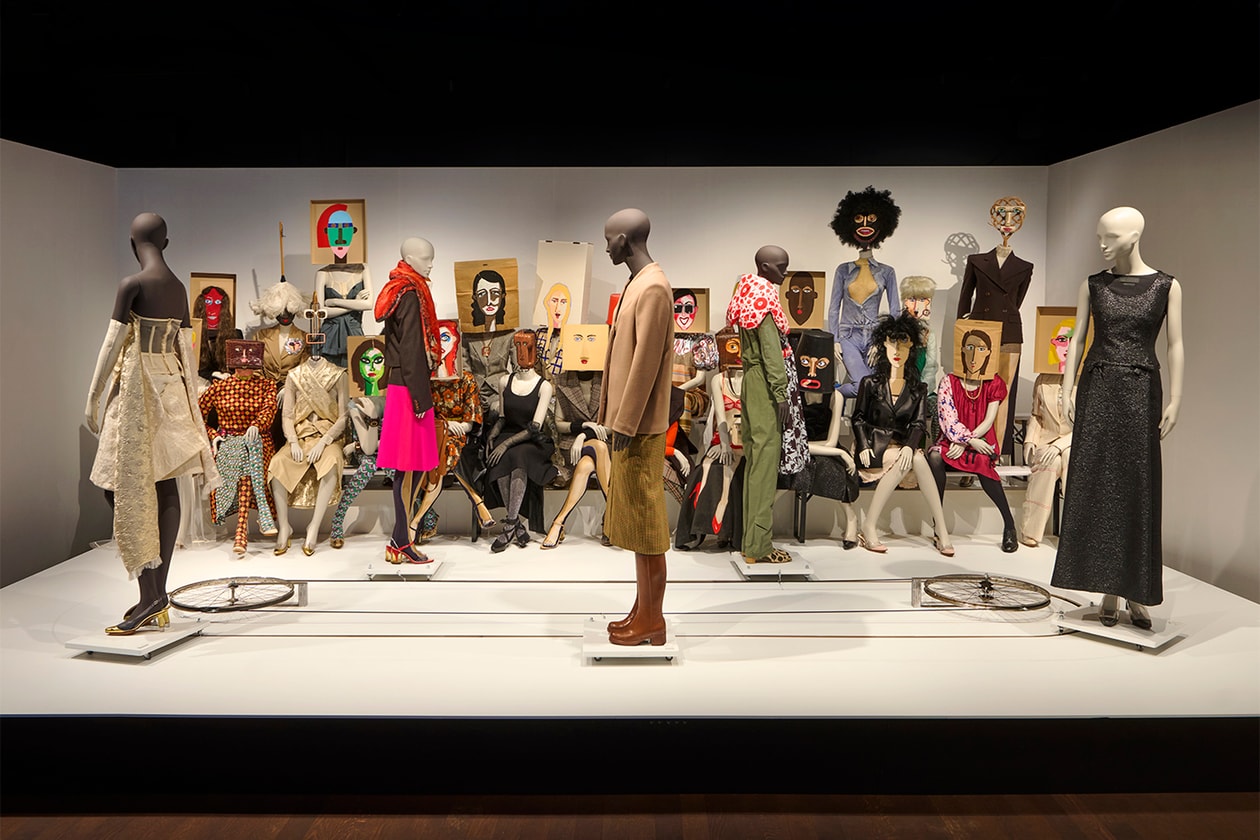
Dirk Van SaeneCourtesy Of Momu
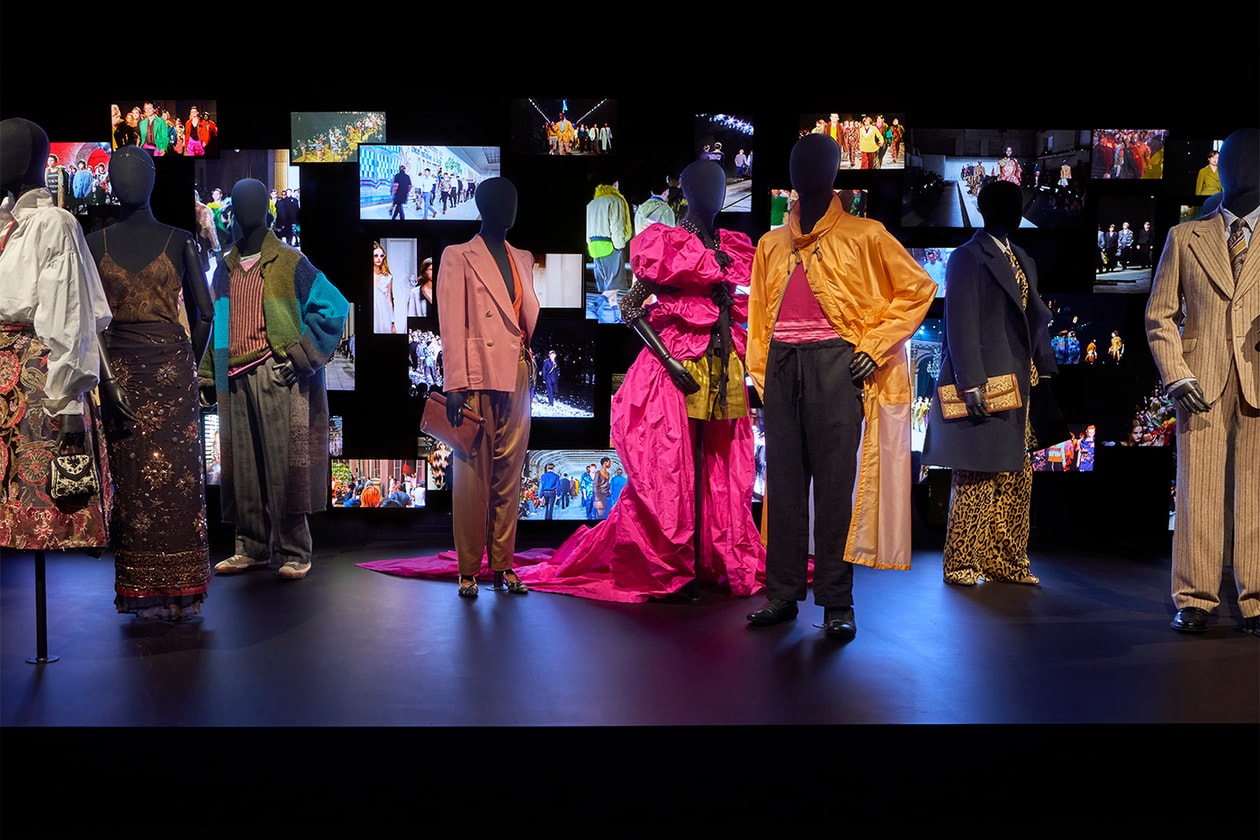
Dries Van NotenCourtesy Of Momu
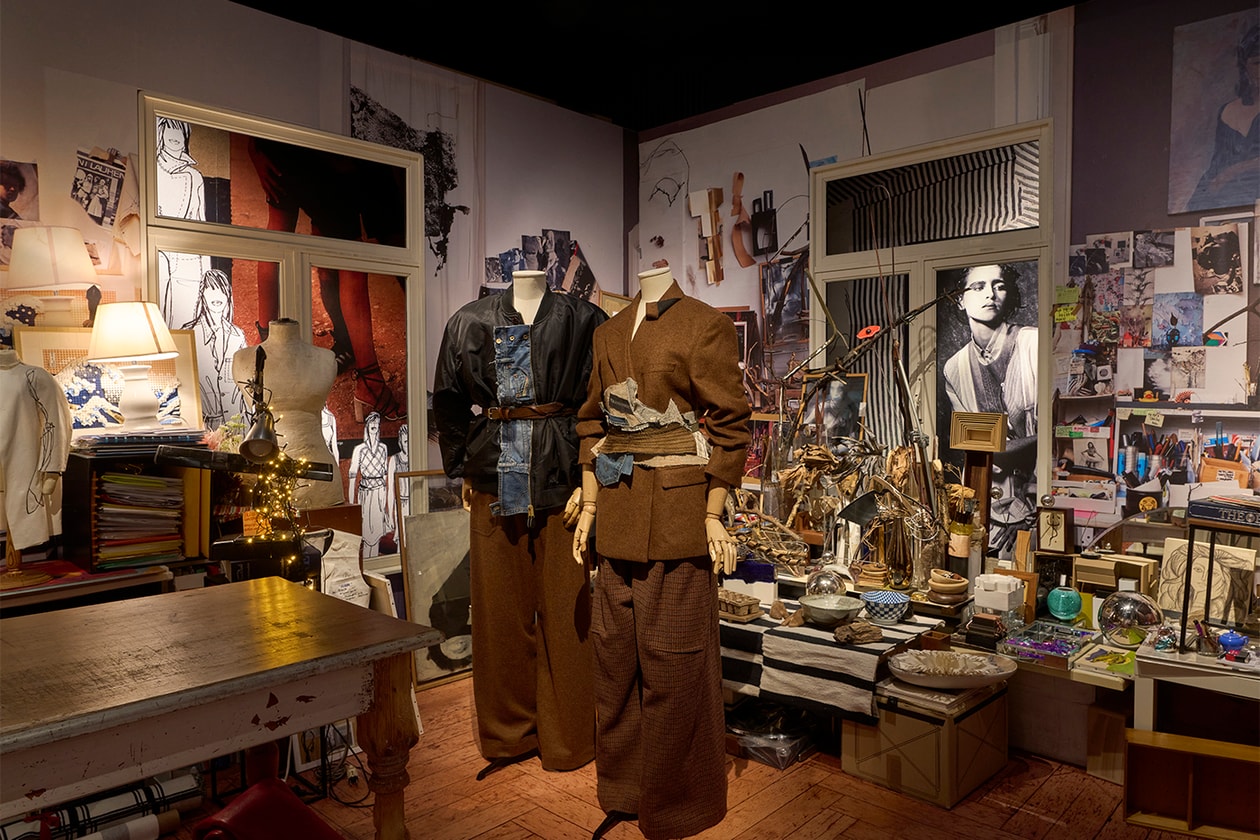
Marina YeeCourtesy Of Momu
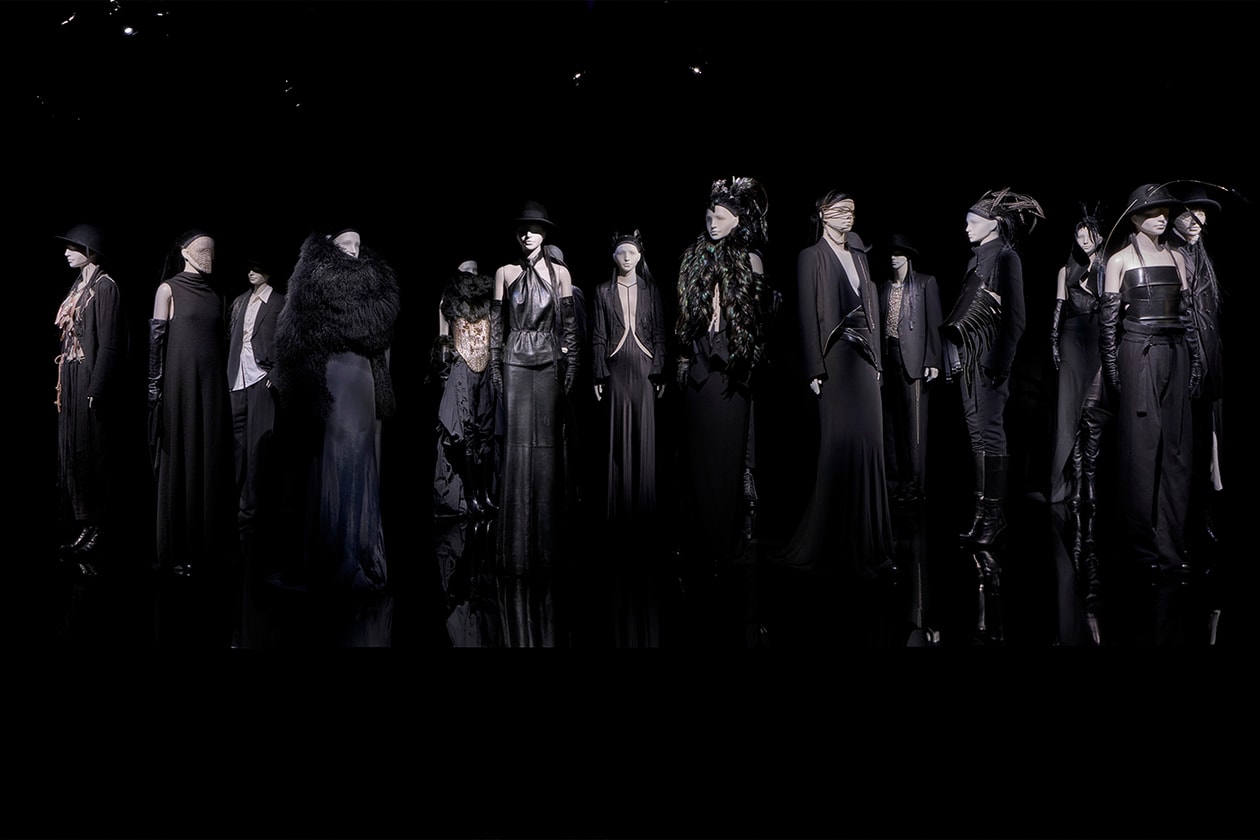
Ann DemeulemeesterCourtesy Of Momu
Even the process of constructing the exhibition mirrors this fragmentation. According to Cockx, conversations with the designers revealed inconsistencies in memory, small details that didn’t quite align, moments remembered differently. Forty years on, the story is no longer singular but plural.
So the curatorial approach became one of assembly. Interviews were layered with archival material in the form of photographs, invitations, and documents. Some pieces were found in disorganised attics, others in carefully preserved archives.
Instead, the exhibition allows for this level of ambiguity, and for the possibility that the Antwerp Six is less a fixed entity than an evolving idea.
However, the show does not underplay the scale of their impact. If the Antwerp Six were not a movement in the traditional sense, they were nevertheless catalytic. Their success helped to reposition Belgium on the global fashion map, transforming Antwerp into a destination for design education and attracting a new generation of international students.
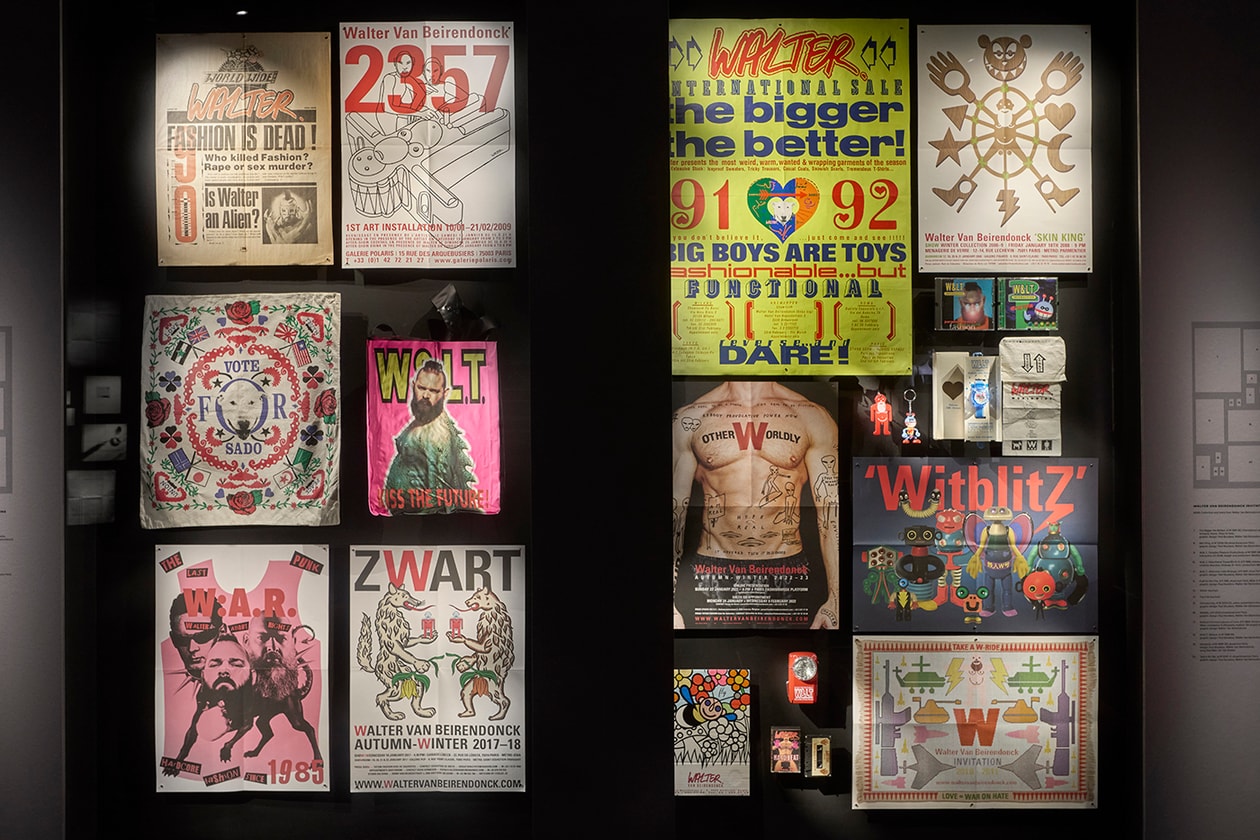
Runway invitations on showCourtesy Of Momu
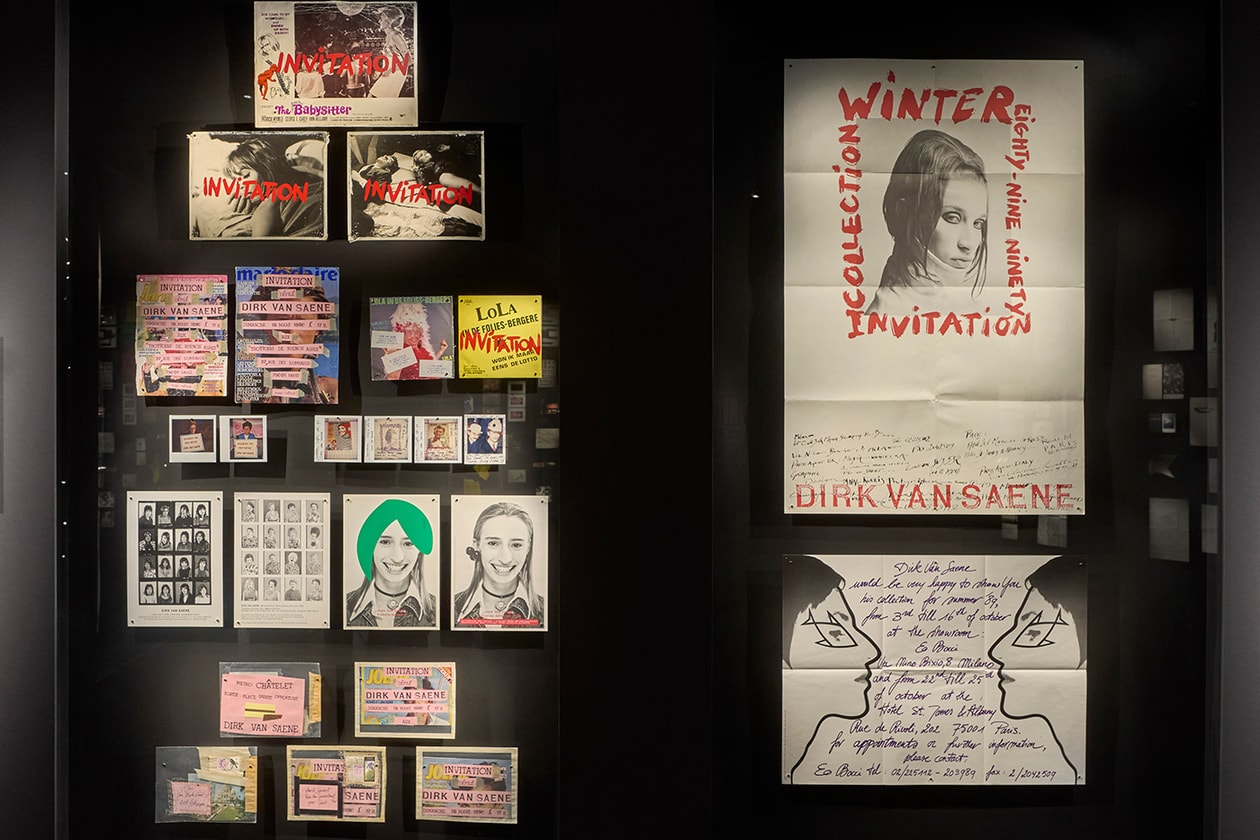
Runway invitations on showCourtesy Of Momu
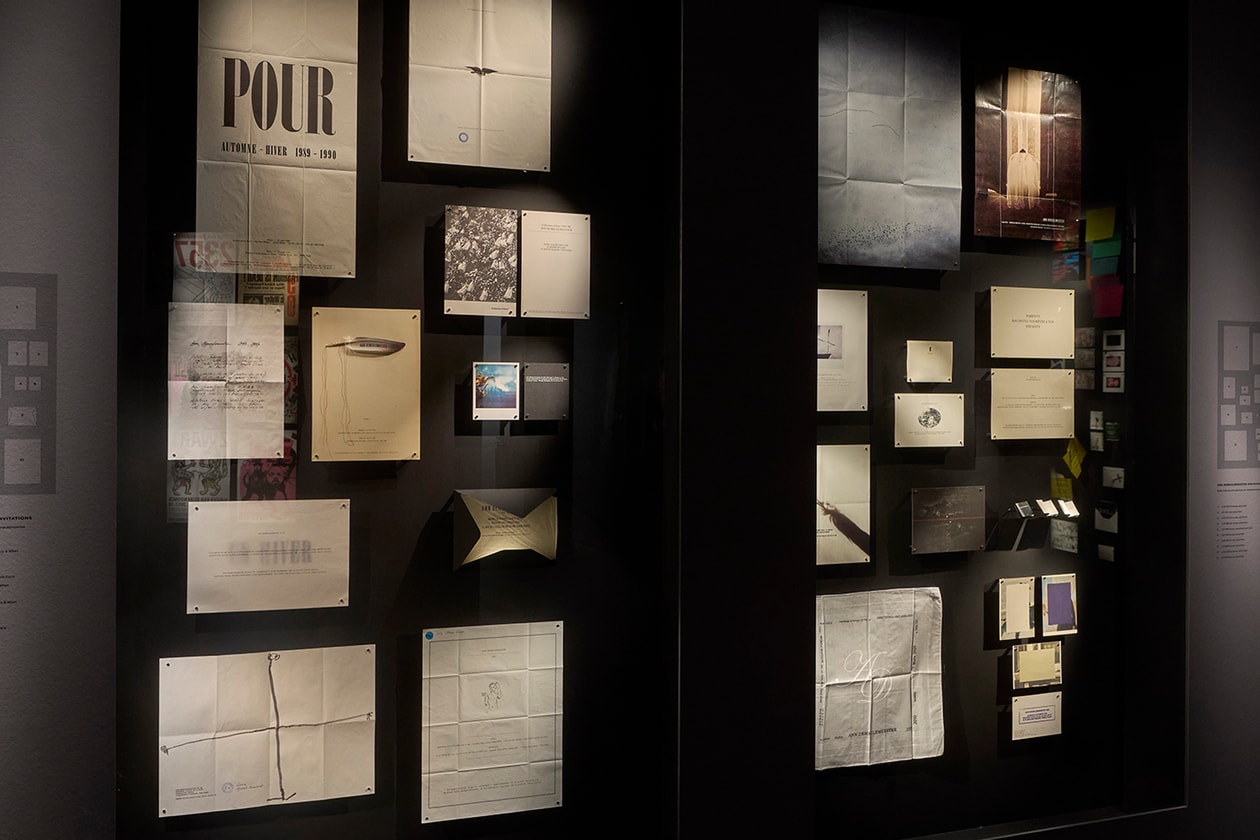
Runway invitations on showCourtesy Of Momu
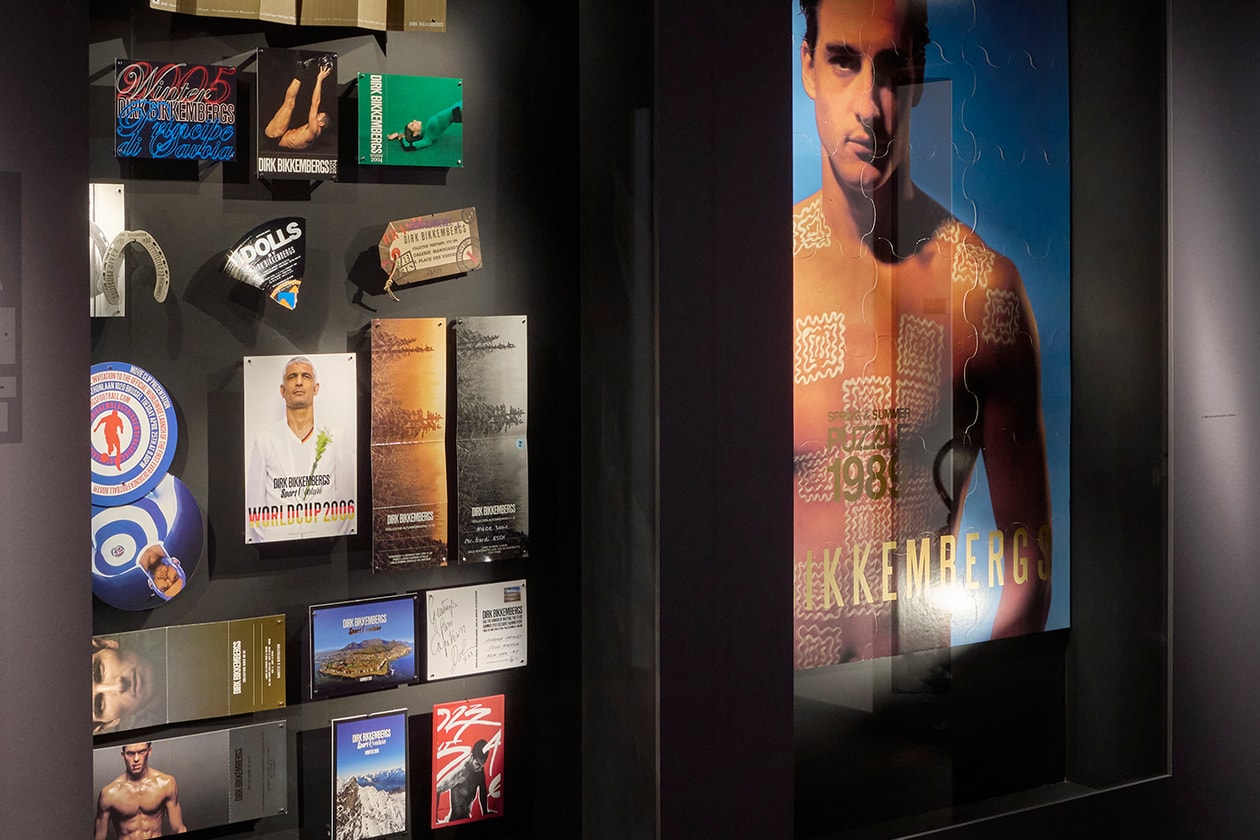
Runway invitations on showCourtesy Of Momu
Their legacy, then, is not easily distilled into a set of aesthetic principles. It is infrastructural, cultural, embedded in the systems they helped to shape, rather than the silhouettes they produced.
Perhaps this is what makes the exhibition feel particularly resonant now. In an industry that often relies on clear narratives and easily digestible identities, there is something refreshing about a story that resists simplification. The Antwerp Six were never really meant to be the Antwerp Six. They were six designers, working alongside one another, and ultimately making Belgium a place for fledgling creatives to flock.
The mystic of it all remains, of course. The van, the flyers, the second-floor stand. But here, in the new exhibition, it is allowed to exist alongside a more complex reality, one that acknowledges not just what happened, but how and why it has been remembered.