
First conceived as a mail-order-only company in 1963, known as Biba’s Postal Boutique, the brand captured the revolutionary 1960s and 1970s attitude and style, offering trend-seekers affordable, high-fashion aesthetics and glamour akin to Paris catwalks.
Influenced by art deco, Biba’s covetable mini dresses, luxurious fabrics, rich prints and colour palettes quickly achieved a cult following, embodying the “swinging London” look. Worn by celebrities like Twiggy and Mick Jagger, and film stars like Brigitte Bardot and Raquel Welch, Biba embraced a glamorous and rebellious style that had enormous global influence.
Now, The Biba Story: 1964–1975, a new exhibition at the Dovecot Studios in Edinburgh, is showcasing the iconic fashion brand founded by designer Barbara Hulanicki and her partner Stephen Fitz-Simon.
Expanding from a small chemist shop on Church Street, Kensington, to a seven-storey department store on Kensington High Street, Biba sold a range of goods, from fashion to home products. The brand revolutionised retail with its lifestyle-focused department store and immersive interior opulence, setting a precedent for experiential luxury shopping that continues today.
Sadly, despite its significant impact on fashion and culture, Biba struggled financially and closed in 1975, leaving a lasting legacy as a symbol of the 1960s style revolution.
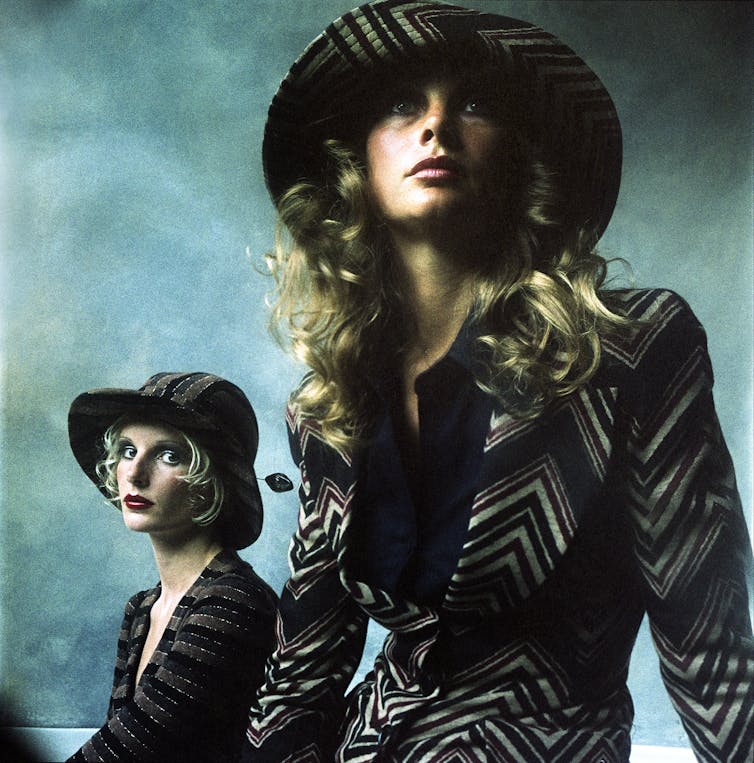
Photo Duffy @Duffy Archive
Historic moments
First seen at the Fashion and Textile Museum in London, The Biba Story communicates an engaging narrative covering the swift rise of Hulanicki’s design brand. It starts by setting the scene with a visual timeline, cleverly plotting the Biba story alongside pivotal historical movements and events, demonstrating the broader societal and cultural context that provided the backdrop to Biba’s fashion reign.
This includes reference to the not-guilty verdict for the legal action brought against Penguin Books, which in 1960 published the unexpurgated version of D.H. Lawrence’s 1932 book Lady Chatterley’s Lover. It caused a huge furore at the time and heralded the more liberal age of the swinging 60s that Biba embraced.
The exhibit also introduces Biba’s first major commercial success – a simple pink and white gingham shift dress paired with a Bardot-style headscarf. This dress, first featured in the Daily Mirror in May 1964, sold a record 17,000 dresses at 25 shillings (£1.25) each, marking the commercial success that swiftly elevated Biba to the iconic status it still retains today.
This evocative exhibition includes a wonderful sequence of drawings, illuminating how Hulanicki started out as a talented fashion illustrator, providing artwork for major magazines like Vogue and Women’s Wear Daily. Offset by the warm decor of plum walls, The Biba Story creates a sublime, high-end feel, further complemented by vintage retro-style lighting.
Here, you really get a nostalgic sense of the 1960s and 1970s, when art nouveau, art deco and modernism combined to create the style for the time.
Fashion & Textile Museum
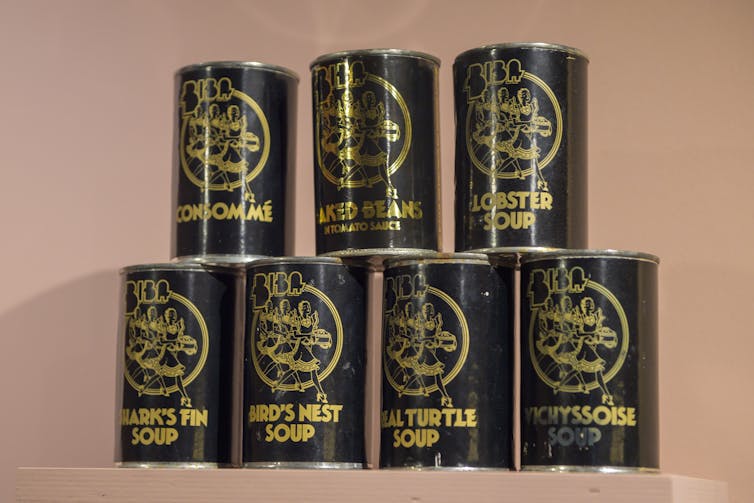
The exhibition’s collective energy conveys the essence of the Biba aesthetic – it wasn’t just about the clothes, it was a whole lifestyle. Beautifully curated cases of Biba products, from cosmetics to tinned food to matches and branded wine, reveal how Biba was one of the first high street brands to offer more than clothes. Here was an accessible, glamorous and perhaps more indulgent lifestyle to the masses, especially uplifting in a drab post-war Britain.
A section dedicated to Biba textiles highlights the boldness of its patterns and prints offset by the contrasting simplicity of the garments’ designs. Biba was all about functionality over fussiness.
The outfits on display embody a somewhat stringent uniformity infused with a rebellious attitude, transitioning into a slick showcase of classic black dresses that remain timeless and enduring. Here, the exhibition also highlights the desirable body standards of the era, with the Biba look demanding wearers have “long thin arms, flat chests, low waists and straight hips”.
This segment subtly hints at the more problematic influence of fashion in defining body image (and perhaps it’s important to note that most of the clothes on display reflect a very small body shape), offering valuable reflections on the historical evolution of beauty standards and fashion’s continuing role in shaping them.
Bring Oot Your Biba
Especially illuminating, too, are the stories of Biba customers reminiscing about the brand, describing how “there was nothing like Biba in Edinburgh. The colours, the cut, the design, the materials, all fabulous.” Personal stories are melded with the exhibition narrative throughout, and there is a wonderfully touching conclusion titled Bring Oot Your Biba. This showcases the results of an invitation to the people of Scotland to share their Biba memories and purchases, all adding warming generational insights into the treasures of Biba fashions.
Notably, the exhibition ends with a small, beautiful tapestry of the Biba Logo, woven by talented Dovecot Studios apprentice Sophie McCaffrey – a perfect, and fitting wrap to a beautifully curated exhibition.
The Dovecot not only pays a sincere and authentic homage to Biba’s lasting legacy, it immerses the viewer in a real sense of the palpable excitement of the era: change, youth, liberation and opportunity. Many visitors will no doubt feel connected to the nostalgia of Biba’s style, while being reminded of the importance of fashion visionaries like Barbara Hulanicki to our design cultures, identities, and economies.
`