
Genre films love spectacle. They love explosions, monsters, portals, and end-of-the-world clocks. What they rarely linger on, at least with patience and respect, is Black love. Not just romance as a subplot or shorthand for loss, but intimacy as texture: the quiet handholds, the shared jokes under pressure, the tenderness that survives apocalypses. When Black couples do appear in sci-fi, fantasy, horror, and animation, their love is often treated as incidental. And yet, again and again, these films offer moments of profound care that deserved far more attention than they received.
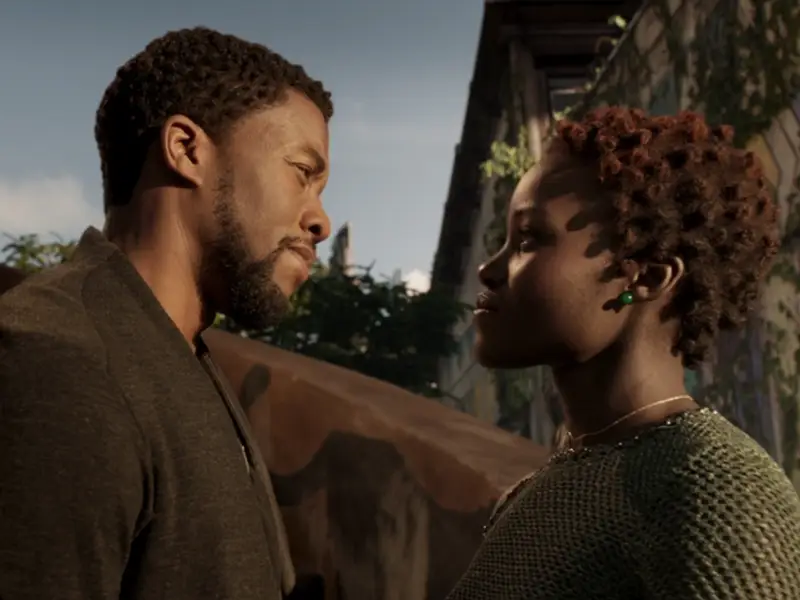
Superhero films, often allergic to romance unless it fits a familiar mold, offered something refreshingly grounded in Black Panther. T’Challa and Nakia’s relationship is built on shared politics, ideological disagreement, and mutual respect. Nakia is not simply a love interest. She challenges T’Challa, walks away when her values demand it, and chooses love without surrendering her autonomy. Their intimacy is mature, quiet, and rooted in care for community. It is a romance that feels lived-in and is not decorative.
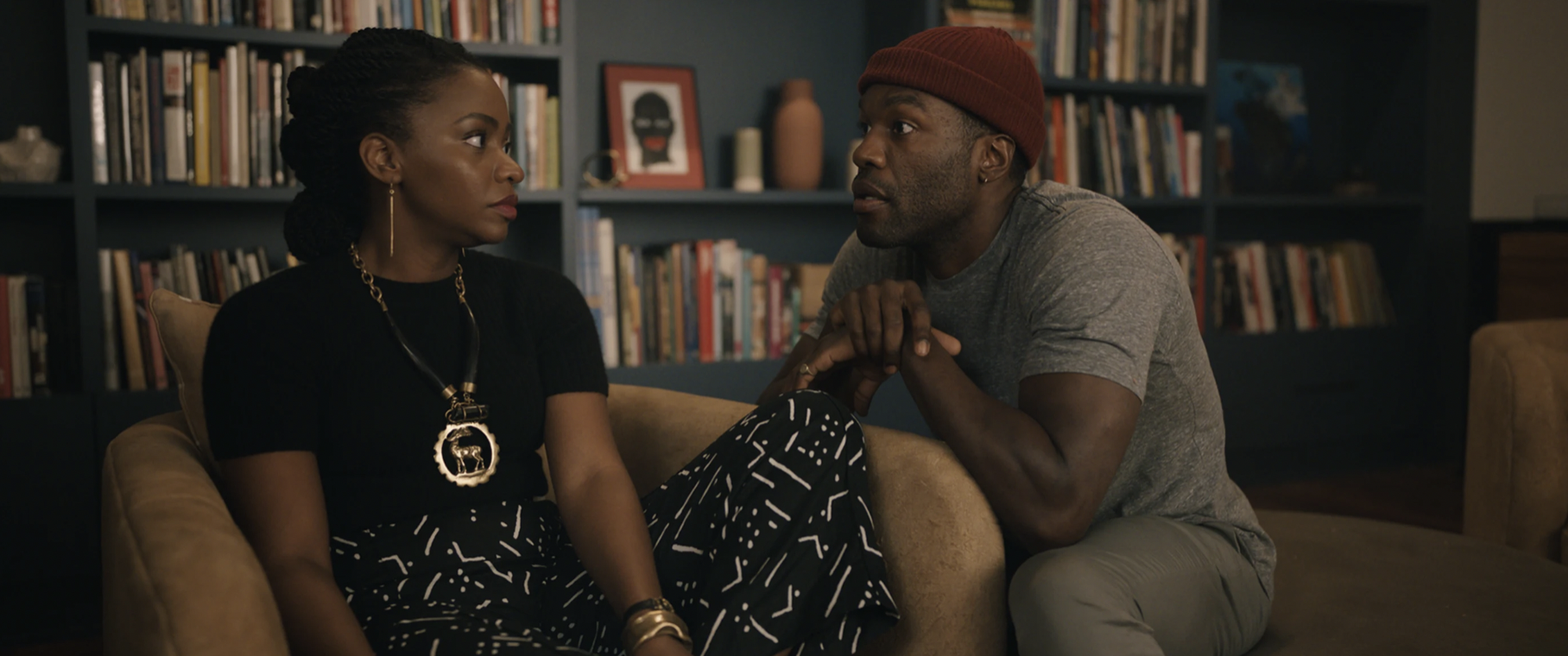
Horror may be the genre where Black love feels most defiant. The genre understands that intimacy is vulnerability, and for Black characters that vulnerability is often punished. That is what makes Brianna and Anthony’s love in Candyman (2021) so compelling. Their relationship is strained, imperfect, and tender in moments that feel painfully real. The horror does not interrupt their intimacy. It feeds on pressures already placed on it by racism, gentrification, and artistic exploitation. Brianna’s grief and resolve transform the film from a slasher into a meditation on what it means to love someone haunted by history.
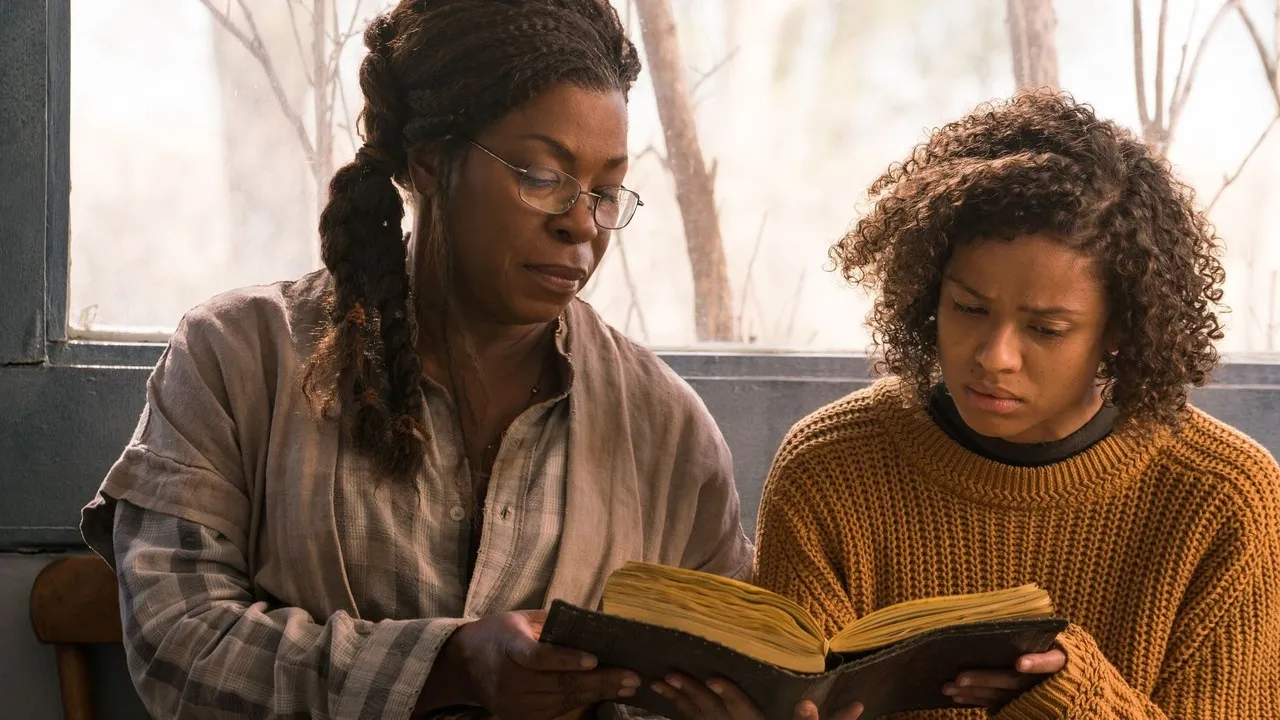
Similarly, Fast Color uses genre framing to elevate a story about family, heritage, and love. While not strictly a romance, the film centers on a Black woman and her relationships across generations, showing tenderness, care, and emotional complexity in a world that could easily erase her. The intimacy between family members and allies is what drives the film’s emotional stakes, proving that love in genre is romantic and communal.
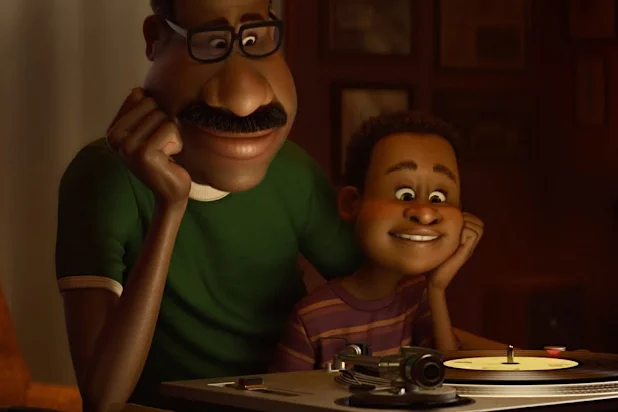
Animation has historically lagged in depicting Black love with nuance, which is why Soul matters despite not being a traditional romance. The film reframes love as care, mentorship, and mutual recognition. While romantic intimacy is not foregrounded, the emotional language of the film expands what Black tenderness can look like in animated genre spaces. It teaches audiences, especially younger ones, that emotional depth is not limited to romance, and that gentleness is not weakness.
What unites these films is not perfection. Many of these relationships are brief, constrained, or overshadowed by spectacle. But even in these small fragments these films matter. They counter a long tradition of denying Black characters full emotional lives, especially in genres that pride themselves on imagination. Genre films ask audiences to believe in the impossible. Surely, then, they can believe in Black love without apology.
There is also a marketing blind spot at work. Studios often struggle to sell intimacy in genre, particularly when it centers Black people. The result is muted promotion, mismatched trailers, or critical conversations that prioritize concept over connection. Audiences respond when given the chance. Online, viewers champion these relationships through essays, fan art, and word-of-mouth enthusiasm. The hype exists and it has simply been cultivated from the ground up.