
Dozens of fish caught in a net. (Adobe Stock Photo)
December 30, 2025 01:08 PM GMT+03:00
Türkiye has emerged as a leading supplier of seafood to Greece, exporting one in every five fish imported by the country and generating $169.3 million in revenue, according to a report by the Turkish Ministry of Trade’s Thessaloniki Commercial Attache.
The report states that Türkiye accounts for 23.1% of Greece’s total seafood imports, followed by Spain and the Netherlands with shares of 11.5% and 9.5%, respectively.
More to Read

Seafood protection and consumption in Greece
While Greek capture fisheries remain largely stable, growth in total seafood production is mainly driven by aquaculture, which constitutes approximately two-thirds of total production, business-focused ekonomim.com reported. Wild capture fisheries account for the remaining third. The processing and preservation sector is also expanding but lags behind aquaculture in growth.
Despite high domestic production of gilthead seabream and European seabass, Greece imports nearly all of these species from Türkiye.
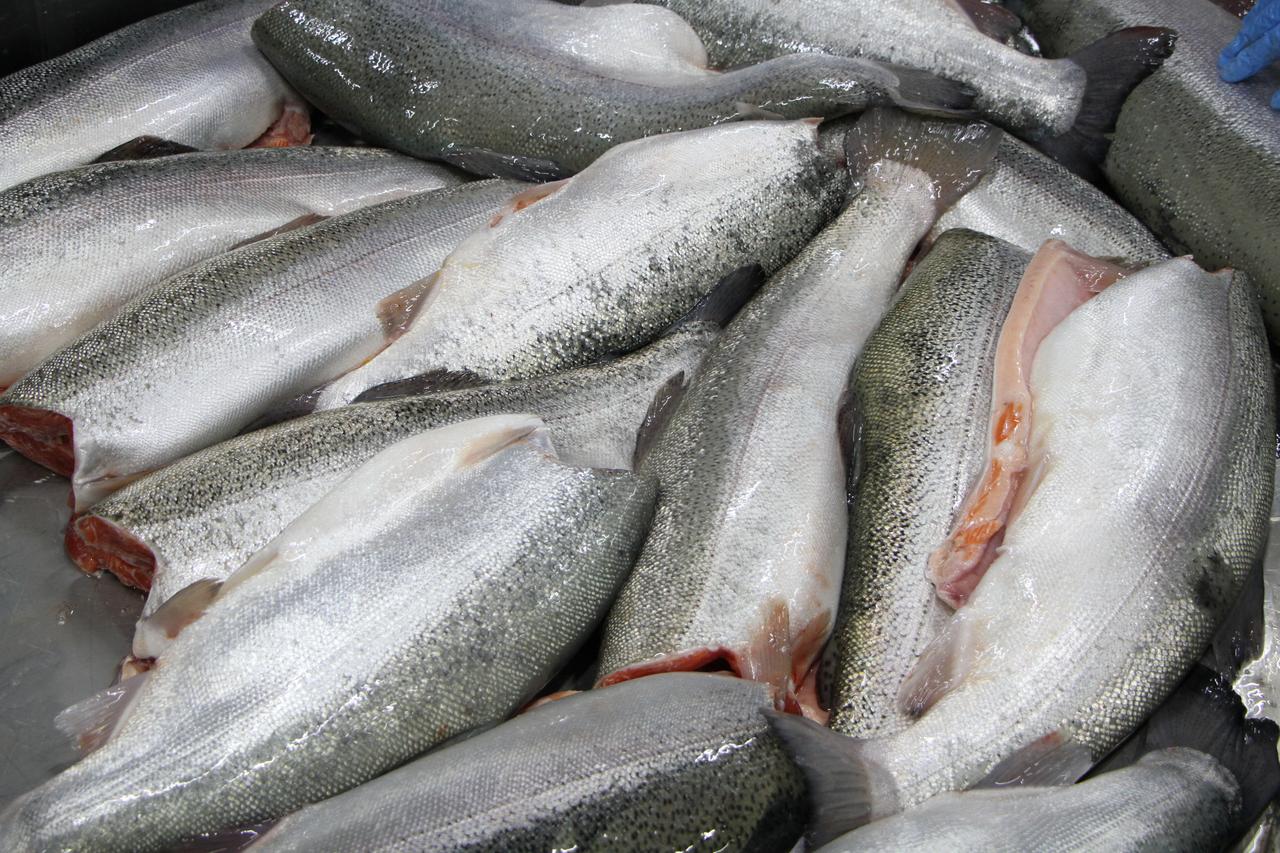

Frozen Turkish salmon prepared for export at a seafood processing facility in Izmir, Türkiye, July 20, 2025. (AA Photo)
Export opportunities for Turkish companies
The report also highlights several segments with strong potential for Turkish exporters:
- Fresh and chilled fish including Black Sea herring and salmon, benefiting from short delivery times and consumer preference for freshness.
- Frozen and processed seafood products including fillets, packaged ready-to-eat products and canned fish, in demand across retail and HORECA channels.
- By-products such as fish oil, fishmeal and feed, which are increasingly sought after in nutritional supplements and animal feed markets.
- Processing and aquaculture equipment including packaging, freezing and cold chain technologies.
Emphasizing that efficient logistics, international quality certifications (HACCP, ISO 22000) and effective marketing are critical for Turkish firms to enhance their market presence. Highlighting product origin such as “From the Black Sea” or “Turkish Salmon” can help differentiate Turkish products in the Greek market.
Consumer preferences and market trends
Greek consumers prioritize freshness, sustainability and traceability. Frozen and ready-to-eat products appeal to modern lifestyles, while canned and processed seafood are valued for convenience and shelf life.
Per capita annual seafood consumption in Greece exceeds 20 kilograms, higher than the E.U. average.

December 30, 2025 01:10 PM GMT+03:00