
Published on
January 3, 2026
By: Paramita Sarkar
Aarhus Airport is set to take East Jutland travelers to new heights in 2026, with a strategic expansion that promises more direct flights, upgraded facilities, and an enhanced passenger experience. The airport, located in Denmark’s East Jutland region, is introducing new routes to destinations such as the UK, Turkiye, Spain, Greece, and Denmark, as part of its vision to become the region’s primary global gateway. With increased services from major airlines, improved terminal facilities, and a dual-use agreement with the Danish Armed Forces, Aarhus Airport is gearing up for a record year of growth and convenience for both business and leisure travelers.
The press release from Aarhus Airport (AAR), published on January 2, 2026, outlines major plans to expand its route network, improve customer experience, and solidify its role as a vital hub for East Jutland. Here’s an overview of the key developments expected to shape the airport’s future in 2026.
1. Route Expansions and New Destinations
Aarhus Airport is experiencing a significant capacity boost, thanks to several major airlines that are expanding their routes to more European, Middle Eastern, and North African destinations. Here’s a closer look at the expanded flight options:
- Ryanair:
- Daily Flights to London Stansted: Ryanair’s most popular route to London will now have daily departures.
- Doubling Capacity to Malaga and Riga: Both destinations will see increased flight frequency, catering to the growing demand for sunny vacation spots and city breaks.
- Increased Flights to Gdańsk: Gdańsk will see more flights, making it easier for travelers to explore this historic Polish city.
- Continued Popular Routes: Ryanair’s established routes to Mallorca, Zadar, and Corfu will remain, providing more options for sun-seeking travelers.
- Norwegian:
- Expanded Malaga Route: Norwegian is increasing its Malaga route to two weekly flights, in addition to maintaining flights to popular holiday spots like Mallorca and Alicante.
- Pegasus Airlines:
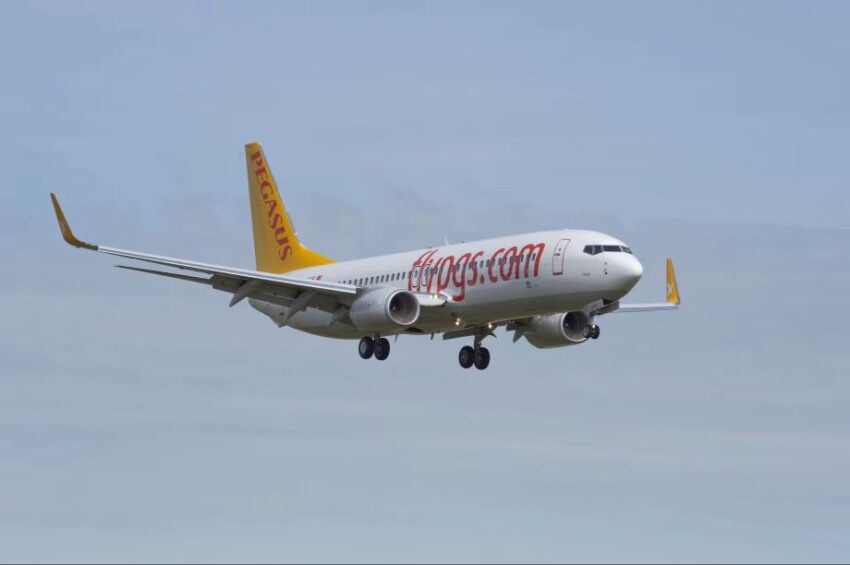
- Earlier Start to Antalya Route: Pegasus will begin its direct route to Antalya in April 2026, with two weekly flights. This early start provides more opportunities for travelers looking to experience the Mediterranean sun outside of peak summer months.
- Connections to the Middle East and Central Asia: Passengers flying to Antalya will also have connections via Istanbul to several other major cities in the Middle East and Central Asia.
- SAS:
- Increased Capacity to Scandinavian Mountains: The ski destination in Sweden will see increased flights, offering more opportunities for winter sports enthusiasts.
- New Codeshare Partnerships: Through its Copenhagen hub and new agreements with Vietnam Airlines and Aeromexico, SAS will offer one-stop travel from Aarhus to destinations such as Mumbai, Marrakesh, Ho Chi Minh City, and Mexico City.
2. Charter Travel Growth
Along with the expansion of regular commercial flights, Aarhus Airport is also seeing a boom in charter travel, providing East Jutland residents with even more vacation options. Notable growth in the charter sector includes:
- Århus Charter:
- New Destination in Loutro, Crete: Århus Charter will launch direct flights to the charming village of Loutro on the south coast of Crete, a hidden gem in the Mediterranean.
- 5-Star Resort in Sivota: A new luxury resort will be added to the roster of destinations offered by Århus Charter, attracting travelers looking for high-end vacations.
- Continued Popular Routes: Århus Charter will continue offering direct flights to Greece, Cyprus, and Madeira (in winter), alongside new additions.
- Other Travel Agencies:
- Sunweb, Apollo Rejser, Bravo Tours, Spies, and More: These agencies are taking full advantage of Aarhus Airport’s direct flight network, offering package holidays to Spain, Turkey, and other Mediterranean destinations. The expanded charter options provide more flexibility in travel dates, pricing, and accommodations.
3. Terminal Expansion and Facilities
Aarhus Airport is also investing in infrastructure improvements to keep up with the growing demand for flights. Key upgrades include:
- Four New Flexible Gates: The new gates are designed to accommodate both Schengen and non-Schengen flights, making the airport more versatile for international travelers.
- Improved Boarding Process: The terminal expansion is specifically aimed at reducing boarding time and improving passenger comfort, which will be especially beneficial as the airport handles an increased number of travelers in the summer of 2026.
These upgrades are designed to ensure that Aarhus Airport can handle more passengers efficiently and comfortably, providing a more pleasant experience for travelers.
4. Strategic “Dual-Use” Cooperation
In a move to ensure the airport’s growth is sustainable and secure, Aarhus Airport entered a dual-use agreement with the Danish Armed Forces in December 2025. This partnership involves the military taking over part of the airport’s infrastructure, creating a more robust operational framework. The main advantages of this agreement include:
- Increased Security and Operational Resilience: The agreement ensures that the airport can maintain a high level of security while continuing to expand its civilian operations.
- Financial Security: The dual-use arrangement provides financial stability, allowing Aarhus Airport to focus more on growing its route network and serving the increasing demand for air travel from East Jutland.
5. Growth Trends
Aarhus Airport’s expansion efforts are reflected in its growing passenger numbers. In 2025, the airport saw a 2.92% increase in passengers, reaching a total of 525,707 travelers, which is back to pre-pandemic levels. The growth in passenger numbers indicates a rising demand for direct flights, particularly to European sun destinations and international business hubs.
- Economic Impact: The airport’s activities support over 4,000 jobs and contribute approximately 2 billion DKK to Denmark’s GDP, underlining its importance to the local and national economy.
In 2026, this growth trend is expected to continue, thanks to the expanded network of direct flights, improved facilities, and the strengthening of the airport’s role as a vital regional hub.
Conclusion: A Thriving Future for Aarhus Airport
As Aarhus Airport enters 2026, the combination of expanded routes, upgraded facilities, and strategic partnerships ensures a bright future for travelers from East Jutland. The airport’s plans to introduce direct flights to the UK, Turkey, Spain, Greece, and Denmark, along with enhanced services and more charter options, will provide residents with even more flexibility when traveling internationally. With its upgraded infrastructure and dual-use partnership with the Danish Armed Forces, Aarhus Airport is well-positioned to meet the growing demand for air travel in East Jutland and beyond.
2026 is set to be a year of significant growth for Aarhus Airport, and travelers in the region can look forward to easier and more convenient access to global destinations, making it easier than ever to travel for business, leisure, or family visits.
Image: Pegasus Airlines
