
Valve has been one of gaming’s biggest companies for decades, publishing some of the best games of all time while also establishing itself as one of the industry’s premier digital release platforms. Getting a game on Steam might not be a guarantee of success, but it certainly helps broaden the appeal to a wider breadth of players. That platform has also helped put the company at the forefront of the divide between the larger industry and those championing generative AI in development.
Through their clear rules about disclosing AI usage and the penalties given to games that try to skirt the system, Valve has become one of the more prominent companies with a seemingly clear view on the use of GenAI in game development. That’s what makes the recent comments from a veteran Valve writer about the way people at the company are looking at GenAI as a potential tool rather than a problem for the industry.

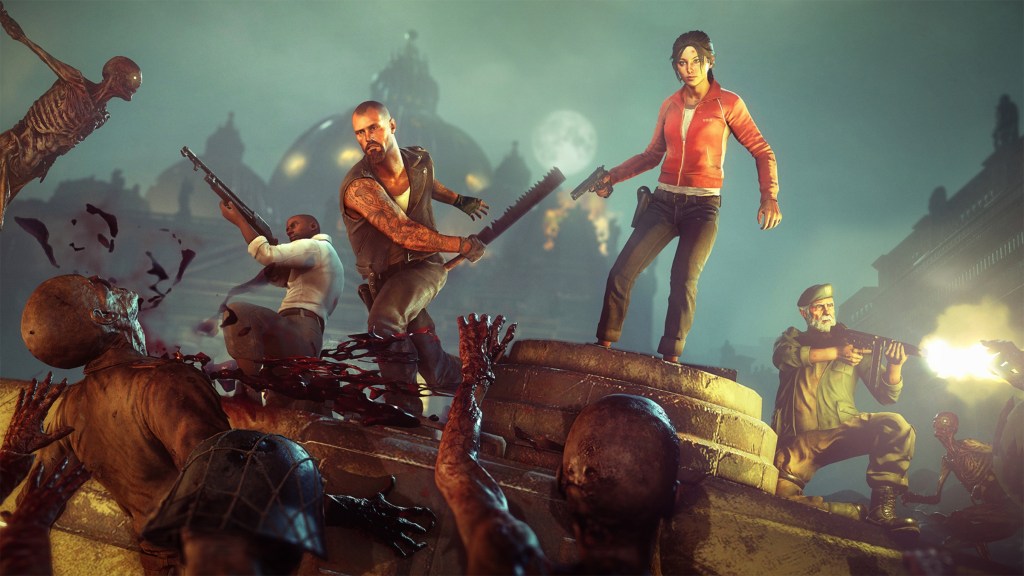
During a recent interview on the MinnMax podcast, Erik Wolpaw — a video game writer who worked on Valve titles like Half-Life 2, Portal, and Left 4 Dead — revealed that people at have Valve has been “messing around” with GenAI. He noted that it’s not like the studio is fully committing to the practice across all of development, but Wolpaw did describe how some members of the team have been “poking around” with the technology. “This is just some people sitting around, being like, ‘This is a crazy technology — it would be kind of silly for us not to look into it at least,’” Wolpaw explained.
As a specific example of ways it could be applied to game writing, Wolpaw described how generating dialogue based on situational context (similar to the AI-powered text-to-speech function used in ARC Raiders) could help fill in specific moments in gameplay. Wolpaw makes a case for GenAI as a tool, arguing that it’s far from having the creative capabilities necessary to actually replace creatives on projects. It’s different from people imagining replacing developers entirely with AI, arguing that the technology is too powerful to simply ignore, even though it remains controversial with developers and players alike.
To date, Valve has been a good guardrail against the spread of games that use Gen AI, with any game available through the Steam Store required to disclose the use of AI tools for art, code, or voiceover in the final game. The platform also provides users with the tools needed to identify unreported uses of AI and the means to report them to Valve. It’s been a good means of identifying AI and stopping it from spreading further into the games industry without the players noticing. While it makes sense that the company would be looking into the applications of GenAI so that they can recognize the trends associated with the development of that tech, it’s also less encouraging to hear that they’ve been thinking about it proactively within their own game design.
Wolpaw’s interview isn’t any kind of suggestion that Valve is truly considering ways to incorporate GenAI into their titles. He even admits as much in the interview, saying, “Let it be known far and wide that this is not a concerted Valve thing, right? In fact, this may be the first time they’re hearing about it!” However, it does raise the specter of it as a possibility. That’s the worrying part, as Valve has otherwise largely been at the forefront of keeping gen AI from becoming more widespread. Wolpaw’s comments suggest that people at Valve are at least considering how the tech could be used in game development, instead of just having a blanket “no GenAI” policy. This suggests that there are at least some people at the company who, like Wolpaw, seem to believe GenAI could have a place in development.
Especially with the growth of PC gaming and the upcoming Steam Machine potentially reshaping the console space, the prospect that the creative voices at one of the industry’s biggest companies could begin incorporating gen AI into their titles could open the floodgates to more titles like that. It could stain Valve’s reputation at a time when it’s swinging for the fences, all while turning to a technology that alienates creators and frustrates players who are wary of AI slop. This isn’t any suggestion that Valve will go down that route — but by broaching the possibility, Wolpaw illustrated how it could be useful in game design but problematic on a larger scale.