
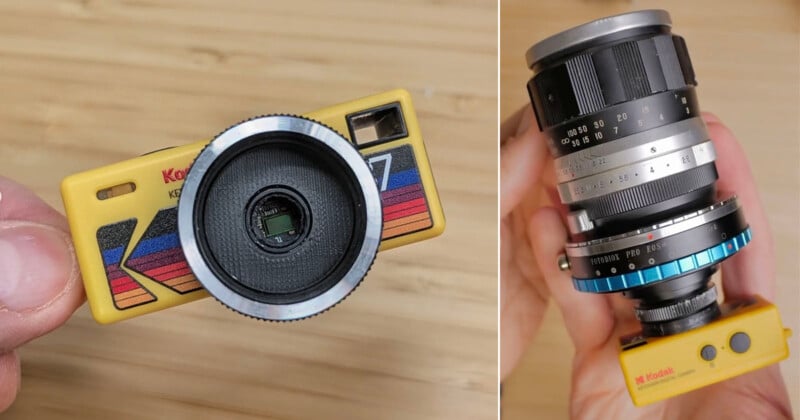
The Kodak Charmera keychain camera has been a smash hit. Sold in blind boxes, the 1.6-megapixel retro-styled toy camera was one of the biggest photo gifts of the holidays. However, straight out of the box, its capabilities are arguably a bit lacking, thanks in large part to its tiny built-in lens. That’s where expert camera modifier James Warner, or Snappiness as he’s known online, comes in. What would happen if you gave the Kodak Charmera a better, bigger lens?
Warner tells PetaPixel that he ordered the six-pack of Kodak Charmera cameras, guaranteeing he got one of each of the standard color variants, just a few hours after the camera was announced. It’s a good thing he was fast, because the Charmera sold out in just 24 hours.
“As soon as I saw them I knew immediately it had a good chance to be a successful product. They are cute, surprisingly functional, and despite being a little overpriced still fall easily into that impulse buy price range for a lot of young people,” Warner says of the Charmera’s massive appeal. “Also, right now there seems to be a big trend with retro inspired products, and blind boxes have taken over store shelves in the last year like I’ve never seen before. I have kids so I know. I personally am not a fan of blind boxes as a marketing tactic, but if someone is fine getting any color, then I think it’s a fun surprise.”
Warner’s favorite Charmera variant is the classic Kodak yellow version, so that’s the one he chose to modify for his recent YouTube Shorts videos seen in this article. While he had hoped to get the secret rare transparent edition, a 1-in-48 chance, he missed out and says it’s not worth gambling to get one.
Just like Warner knew as soon as he saw the Charmera for the first time that it had a good chance to be a hit with customers, he also immediately knew he’d put one under the knife as soon as he got his hands on it. He tells PetaPixel he would have started modifying one the day it arrived had he not been busy with other products.
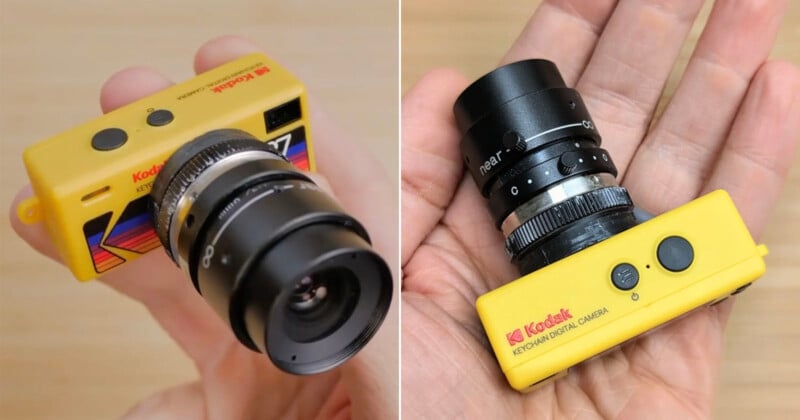
“I have recently been experimenting modding crappy cameras (the Yashica Y35 has been my favorite so far, because it’s absolutely ridiculous now as an IR-modded interchangeable lens M12 mount camera),” Warner explains.
“The big problem with the Yashica Y35 or Camp Snap cameras I’ve modded previously is that they have no live view, so you can’t manually focus through a finder. The Charmera’s, of course, have live view, and are the smallest camera I’ve seen to have that feature, so that in combination with the retro design made it really enticing to mod. It just looks crazy with C mount glass on it.”
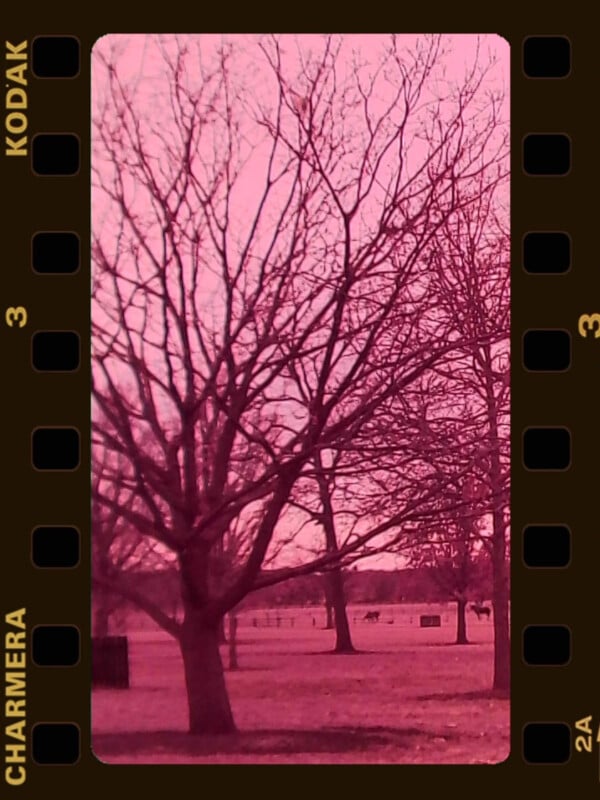
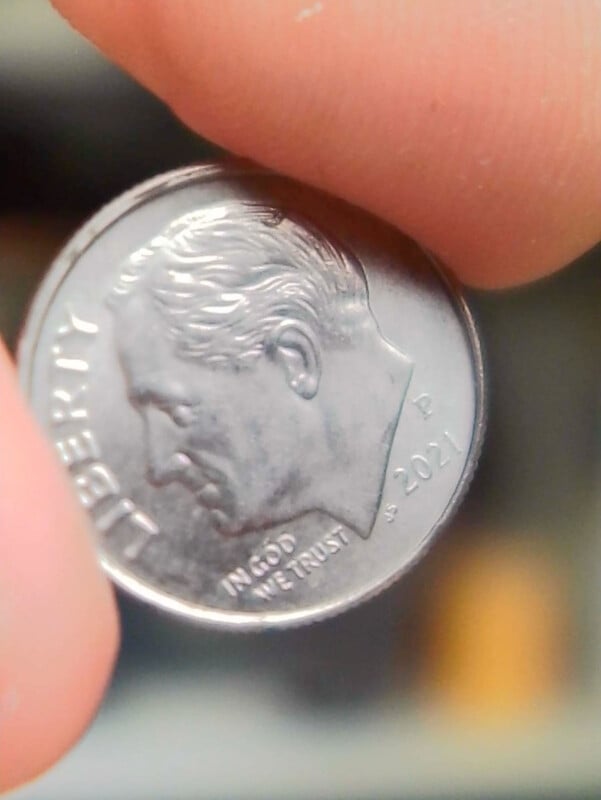
As PetaPixel‘s Chris Niccolls explained in our Kodak Charmera Review, “Don’t expect a ton of sharpness or detail out of the [Charmera’s] basic plastic lens.”
Although modifying a camera always comes with some challenges, the Charmera is a good candidate because it’s reasonably affordable and relatively straightforward to use.
“I think this is something most people could pull off successfully,” Warner says of putting a new lens mount in the Charmera. “There are no electronics to mod or anything, so it’s just a matter of ripping things apart without breaking anything.”
“The most difficult part is removing the built-in lens from the sensor, as it is adhered on pretty well. It takes some patience with a razor blade going around the bottom of the lens (you can see the soft glue/rubber they used) and then prying it open. As long as the razor blade doesn’t insert too deep into the assembly, you’ll avoid hitting the sensor and should be fine,” he remarks.
As for the tools and parts, an enterprising DIY’er needs the Kodak Charmera itself, a razor blade or a sharp, thin knife, a screwdriver, strong glue (that won’t damage electronics), and possibly a small drill to hollow out the plastic lens facade. However, Warner notes, “you could just remove that altogether.”
He 3D-printed a spacer to get the appropriate flange distance and used a 5mm C-mount spacer ring, which costs a few bucks. If someone doesn’t have a 3D printer, Warner thinks that a 10mm C-mount spacer or two 5mm ones would also do the trick.
“Maybe use some putty so you can very slightly adjust the flange distance until you nail infinity focus. I think there’s a lot of ways someone could tackle this modification using whatever they have lying around and some ingenuity,” he adds.
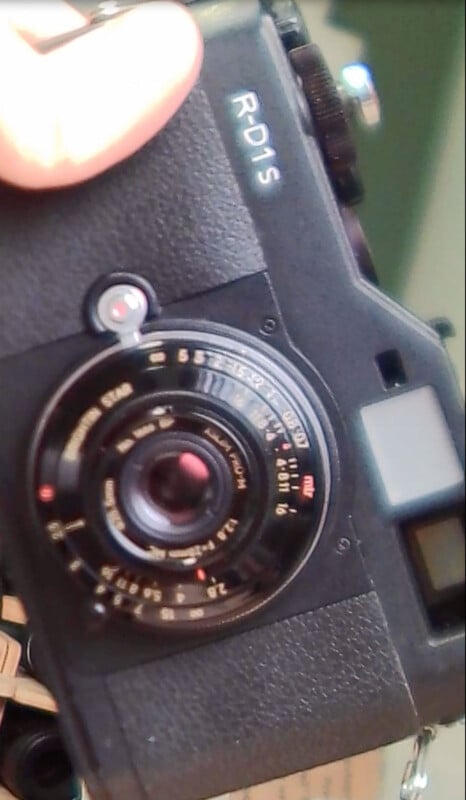
With a C-mount successfully installed, the Kodak Charmera experience is totally transformed. Given the sensor’s size, just a Type 1/4, the camera has a massive crop factor of about eight times. This means that even a 10mm lens is more like a mid-telephoto prime.
“I’ve enjoyed a 6mm f/1.4 lens that gives around a 50mm equivalent, which is a fun different angle than the standard lens that comes with the camera,” Warner says. “The fun thing about C/CS mount lenses is that they are plentiful, cheap, and you can find vintage ones and ones being manufactured now. You can even use vintage cine D mount lenses with a little C to D lens adapter ring, which opens up a whole bunch of fun opportunities.”
Warner also removed the camera’s IR filter, which, of course, is an optional part of his modification process. But that’s why some of the images included in this story are in black and white.
James Warner, AKA Snappiness, is always up to something exciting, so photographers who love to tinker or enjoy watching a talented photographer experiment with gear should check out his YouTube channel. PetaPixel has covered some of his projects before, including a $10 DIY waist-level viewfinder mod and a wild 2-in-1 digital panorama camera project.
Image credits: James Warner (@_snappiness_)