
Lead ImageWinona Ryder in AnOther Magazine Autumn/Winter 2009Photography by Craig McDean. Styling by Panos Yiapanis
The fifth season of Girlhood Studies is called Primary Sources. How have notions of adaptation, translation, and the thin line between fiction and memory formed depictions of girlhood? Expect the same studies of film and visual culture, but with a closer look at the texts they draw from.
Well-known for running late, extravagant nails and a seemingly endless capacity for reinvention, on the surface, there are many parallels to be drawn between Marc Jacobs – as a man and cultural figure – and those traits we usually associate with teenage girls. As a designer, he’s resilient – and rebellious. But lately, there’s a strain of nostalgia to Jacobs’ output that feels especially deft: references that, in the context of this season’s theme of girlhood and adaptation, feel worthy of a closer look.
Clothing is one thing, branding is another; Jacobs is an irrepressible craftsperson of both, always flexing with the cultural mood. But even through different eras that can feel unrelated, there’s a constant pulse of emotion that feels related to how girls connect with fashion. Sifting through the years, Marc Jacobs’ back catalogue reads as an ongoing study in how clothes let women inhabit girlhood.

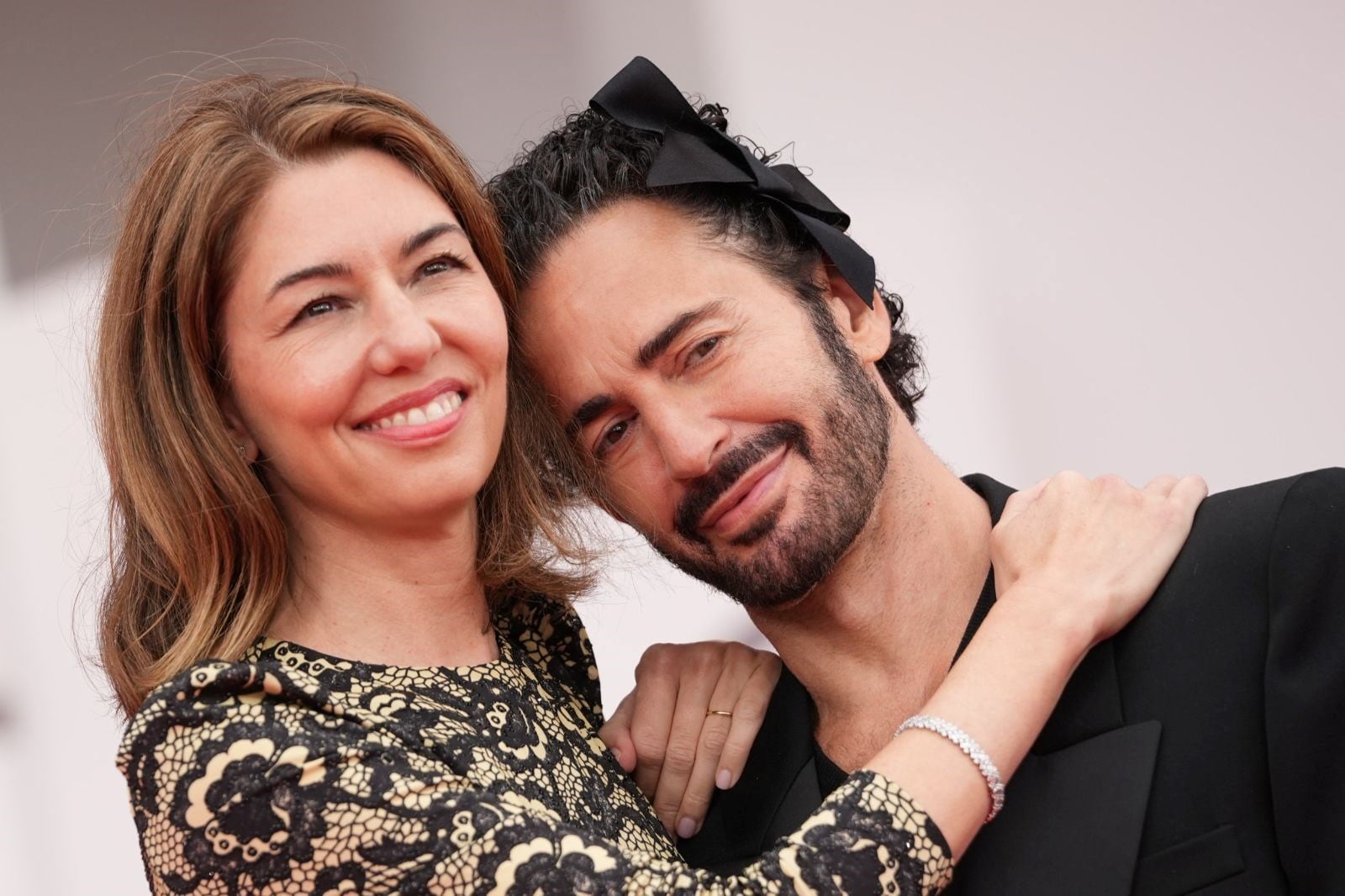
“I just think this idea of transformation, creating this person that you want to be, is part of human nature”, says Jacobs, in voiceover, in Sofia Coppola’s new documentary, Marc by Sofia, releasing at the end of this month along with a dedicated book. I’m sure the designers’ own youth – from awkward teenage style to his early-1980s, big-haired fashion school eras in New York and Paris – will provide a treasure trove of material in Coppola’s film. In his work, Jacobs is interested in comings-of-age that can happen at any age; so too is Coppola. And the director has been very open about the importance of meeting Jacobs in her own years of formation. “I didn’t know what I was doing with my life,” she has said of what drew her to his designs at that time. “But I knew I wanted to be in those clothes.” Like a fashion fairy godfather, Jacobs helped Coppola become.
The friends first met around the time the Marc Jacobs myth really begins: backstage at his now-legendary ‘grunge’ collection that would get him fired from Perry Ellis. A corporate failure-meets-creative triumph, the collection’s thrift store styling is an early potent example of Jacobs’ impish delight in bringing souvenirs of the culture of real girlhoods into lauded high fashion spaces. The real genius, with Jacobs, is how none of this has ever felt disingenuous. His personal involvement with nightlife, art, film, and music scenes, and ability to preserve the oddness and fragility of those worlds in fashion, isn’t exploitation – it’s a felt tribute.

30 years later, young girl-consumers have doubtless been on a Perry Ellis-style 90s/Y2K kick for years. But Heaven, the Ava Nirui-headed sister line that emerged in 2020, felt different. Marc Jacobs has always spoken the language of fandom well: he heralded the era of the artist collab with his iconoclastic work with Stephen Sprouse and Richard Prince at Louis Vuitton in the early aughts, and his campaigns have starred girl-icons like Winona Ryder, Coppola, and the Juergen Teller-lensed campaign of 12-year-old Dakota Fanning in 2007.
Though it signified a kind of return, Heaven’s instant connection to the world of movies felt fresh. On one hand, it was the logical conclusion of Jacobs’ years of flirting with film stars and the visual theatricality of cinema. On the other, it presented the kind of literalism that resounds with teenagers, who, after all, still cut out and keep images for their walls and lockers. Film stills and slogans from films like Gregg Araki’s Teen Apocalypse trilogy, Wong Kar-wai’s Fallen Angels and Donnie Darko, as well as bands like Deftones, Cocteau Twins and Smashing Pumpkins, belong to the fan who knows their references – and provide the fellow feeling of instant identification. The most girlhood-coded of these was, of course, The Virgin Suicides collaboration of 2021, bringing us neatly back to Sofia.
The simplicity of a licensed movie still on a skirt or a T-shirt or a hoodie are how a storied brand becomes merch. And Jacobs isn’t alone in this approach. Raf Simons emblazoned Christiane F on T-shirts for A/W18; Jun Takahashi of Undercover featured the visage of dead Laura Palmer of Twin Peaks for A/W24. I find this strain of the very literal imagery of girl culture on garments interesting: much like many rock and shoegaze bands’ use of girl-portraits on their album art. And it’s not just the aspiration of expense: we know that the maker, that is Marc Jacobs, has a special connection to the Coppolas and the Arakis of the world. That’s why it feels like joining a gang: a point emphasised by Heaven’s signature yearbook shots, including one made most recently to mark Nirui’s departure.
This has also all felt like a throwback to the years of Marc by Marc Jacobs: the sister line that, allowing younger consumers to join the MJ world, was so aspirational in my own adolescence. Playing with the tchotchkes of girlhood – from bangles, graphic tees, charms and phone accessories – it evoked a spirit of participation in much the same way Heaven later sets out to do.
Because it seems almost expected now to incorporate the subcultures and obsessions of teenage girls into luxury fashion, it’s easy to forget that this is all fairly recent. That might be a symptom of our nostalgic, streaming-first contemporary era, filled with reboots, reunions, and even a rise in analogue technology among teenagers. But while such a moment can feel like we’re in a cultural stalemate, it can also, sometimes, produce something inspiring.

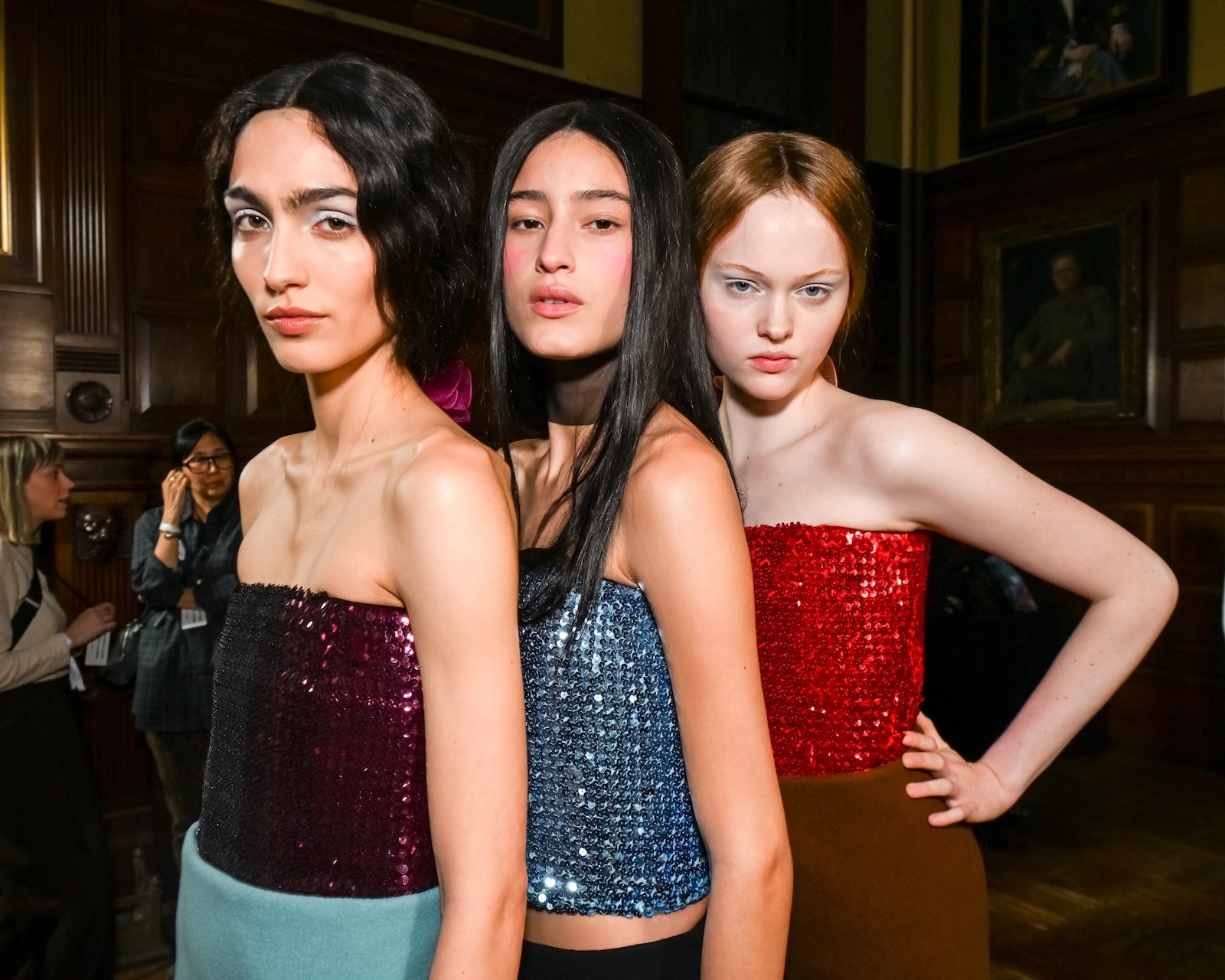
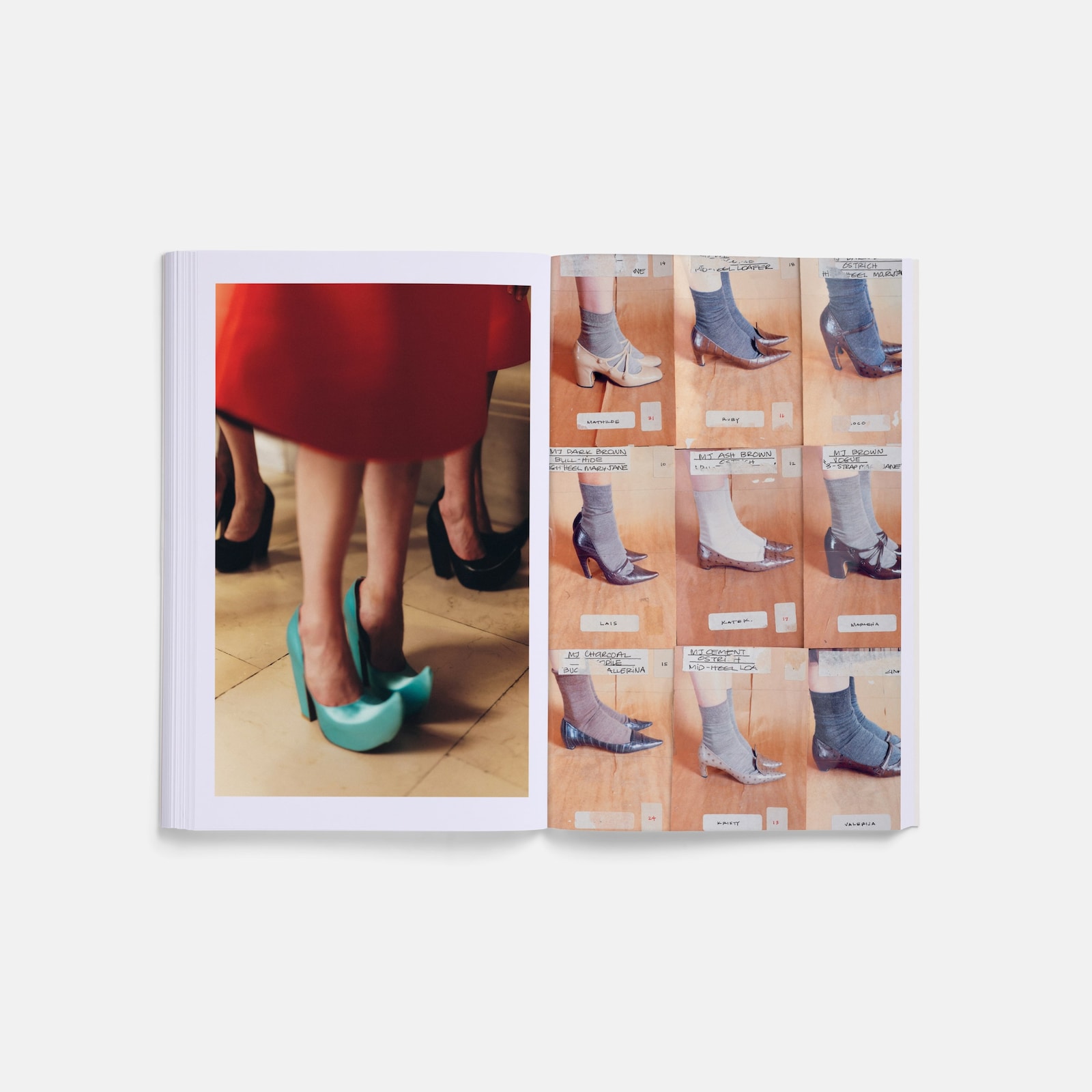
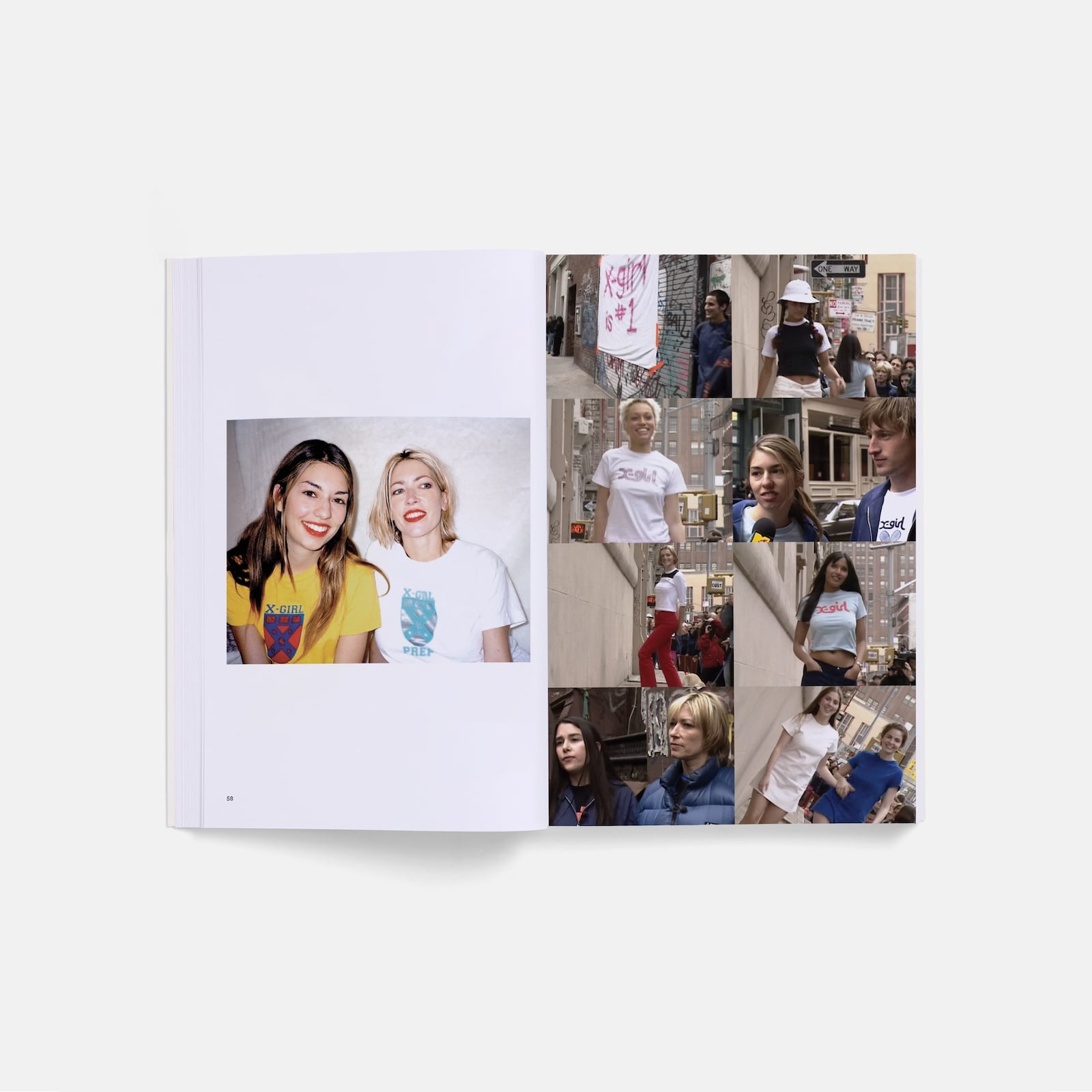
In Jacobs’ latest show for his own label, which took place last month in New York, the sparse and austere set design was far away from the nostalgia of teenage bedrooms. But the collection itself was quietly resonant of shared comings-of-age. First, there were the show notes, which Jacobs posted online and which detailed the brands (the “receipts”) he was thinking about; which is to say, the people and times he created the show for and from. Citing his own former collections (Perry Ellis S/S93, Marc Jacobs A/W95, Marc by Marc Jacobs S/S13), his acts of remembrance also included other labels like Helmut Lang, Prada, and X-Girl, the historic girl-coded line by Kim Gordon and Daisy Von Furth. Like a fashion pop quiz, the clothes and show styling called back these former collections.
I loved this collection for these exterior markers. But what really compelled me was its psychology: a sense of operating in that unstable yet productive space between girlhood and womanhood. The garments were ill-fitting, shoes too heavy, sleeves were pulled down by anxious thumbs; there were baggy jeans and striped tank tops, pastel organza scrunchies, and a series of sequinned strapless tops like school disco boob-tubes. Perhaps most girl-coded of all were those hunches, created by a structure at the shoulders that appeared as though clothes were still on their doll’s hangers; pockets also sat at the very top of skirts, like “knickers [that have] lost their elastic and you’re trying to hold them up” (as one dismayed YouTube commenter put it).
There was a sense of vulnerability to it all, like an adolescent dream of glamour that doesn’t quite fit reality. And it made me think about how fashion doesn’t have to feel messy to relate our communal memories of youth.

I’m curious how far Coppola – with her own closeness with these themes – will be able to go beyond the purely anecdotal when it comes to examining Jacobs’ work in her new documentary. Because Jacobs is such a fun character – always “#gratefulnothateful” – we don’t talk often enough about his influence. It seems to me he predicted how high fashion would eventually come to work: big houses as purveyors of desirable lifestyle merch, as much as makers of high craft.
Marc Jacobs anticipated such energies in fashion so early on that it can feel the rest of us are only just catching up. More profoundly than this, his clothes bring about the feelings engendered by our very first purchases. That kind of conversation with a former self, and early desires, has much to do with the function and meaning of fashion – no matter our age. Jacobs stated that he has been thinking lately about “what we leave behind and what we carry forwards”; articulating, with this, the themes of this very column.