
The console versus PC has been a debate for decades, dating back to the early 1990s when consoles were the primary way most people played games. As PCs became more powerful, they caught up, then surpassed consoles in graphics, performance, and flexibility. Consoles adapted and survived, often by borrowing from PC design, and for a long time, both ecosystems comfortably coexisted.
That balance no longer feels real.
Over the last five years, gaming has hit a point of diminishing returns. Visual upgrades are smaller, performance gains feel incremental, and the overall experience has become more expensive, more restrictive, and less rewarding. That shift has affected both console and PC gaming, but consoles have taken the harder hit.
I didn’t fully understand how far I’d drifted until the Nintendo Switch 2 was announced. For the first time in my life, I felt no rush to buy a new console. No excitement. No fear of missing out. I looked at what it offered, shrugged, and realized I was done. When I glanced over at my PlayStation 5 and Xbox Series X sitting unused, it became clear this wasn’t burnout. I wasn’t falling out of love with gaming. I was falling out of love with consoles.
My Quick Gaming History
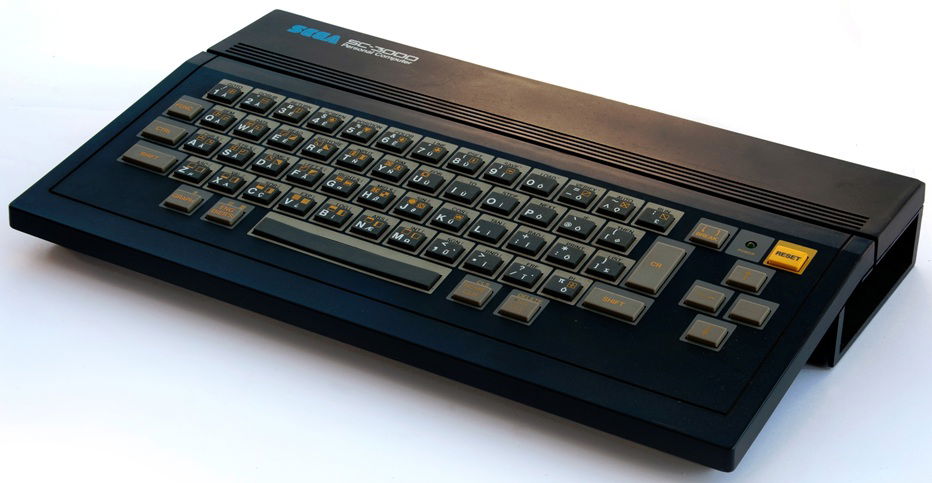
I’ve been gaming for a lot longer than many people would think. My experience predates the Nintendo Entertainment System. I started gaming with a SEGA SC-3000, a cassette tape-based gaming console, and a personal computer. This thing was so old that not only were the games saved via cassette tape, but if you didn’t have access to one of the tape recorders/players that worked with the system, then you had to use a language book to type in EVERY. SINGLE. LINE. OF. CODE. BY. HAND. Yes, I would spend hours typing out the coding for a game, only to miss a line or a letter and have to go and manually fix everything myself at the age of 6 years old, so that I could play a game. The SEGA SC-3000 did have cartridge games as well, but those were rare to come by, and we only had a small handful of them, so the selection of games was very small at the time.
I would often spend time at my cousin’s house, where he had most of the Nintendo and SEGA consoles, thanks to his father owning a toy shop in those days. So we would spend time playing NES, SNES, N64, and GameCube games. At the same time, I would own a Game Boy as my main gaming console, with games coming only when I had a birthday or Christmas present. It wasn’t till the PlayStation that I would start gaming on the regular, and a lifetime obsession was born.
These days, I have a very big retro gaming collection, ranging from the NES through to modern consoles. I have a majority of them from all the main companies: Nintendo, SEGA, Xbox, and PlayStation. Sure, I’ve modified a lot of them with whatever I could, but I also have a large games collection… Even if half of it sits in boxes these days.
The point is, I’ve had a lifetime of gaming, I grew up with it, and watched it evolve. To this day, I still love gaming, but I don’t want to be a console gamer anymore. I’ve seen the industry I love change in ways that I don’t like to see. That’s why I’m writing this… Consider it my final love letter to consoles while saying goodbye to a huge part of my life.

Negative: The Increase in Console and Game Prices
Now this is a negative that Americans are only just now seeing for the first time, but for the rest of the world, we have been dealing with this problem for decades. The world has been paying for Americans’ entitlement to have things as cheaply as possible. This is the ever-increasing price of consoles and games in general.
While Americans are now getting upset about a $10 increase from $70 to $80 for video games, as an Australian, I’ve been dealing with $100 to $125 games at a minimum, and thanks to Nintendo opening the flood gates with pushing up Switch 2 game prices, I’m starting to see games starting at $150 for bigger AAA titles. Considering what I’ll talk about next, most games are not living up to their price tags, with less content than ever before.
While game prices are getting higher, consoles are going through the roof. I understand that it is costing the company more to produce as minerals used in chip creation are becoming rarer than ever before. So pushing up prices shouldn’t be too surprising. However, as you can see above, the prices that I’m paying for consoles are getting a bit out of hand. The Xbox and PlayStation consoles are on discount in the picture, but their retail costs ($830, $1200, $750, and $800, respectively) are pushing the limits of what people are willing to pay for these things. I was lucky when I got my PlayStation 5 and Xbox Series X at not only a reduced price ($750 each), but I also had a bit of excess gaming stock to trade in against the prices with a lot of bonuses that EB Games offered at the time.
The point is that gaming is no longer cheap. You can buy a PC for around the same price that can play a majority of the same games that are on consoles anyway. So, outside of Nintendo being the last company that have exclusive franchises, why bother with consoles? Save the money and get a baseline PC that you can upgrade over time into a real beast that can handle anything.
Negative: The Ever-Expanding Editions with Less Content
Gaming used to be simple. You’d buy the game and that was it. When you played it, you unlocked something extra, or nothing at all, and you would have a good time. These days, gaming is all about maxing out how much money you are willing to spend to give you less content than before.
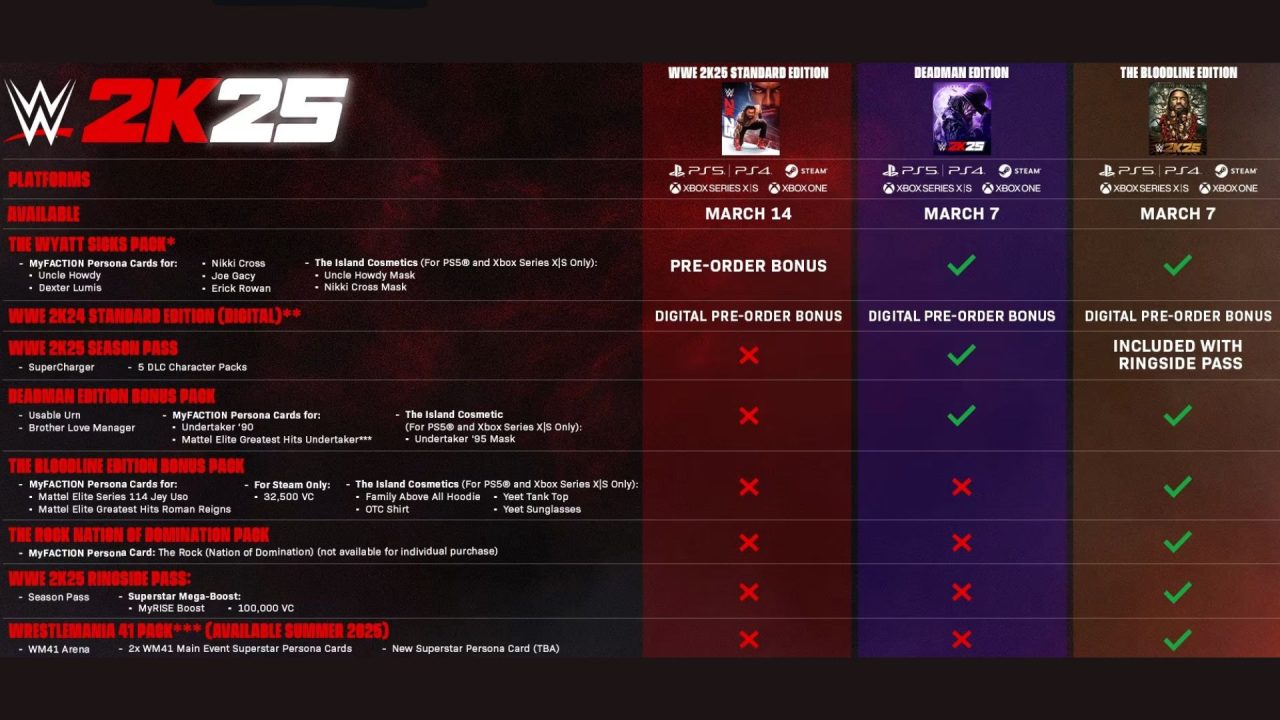
Today, you never just see a game get released and that’s it. Most of the time, you are going to see a game release with a standard or basic edition, then a deluxe edition with a few extra pieces of content, and an Ultra Deluxe, theme-named, or Collectors Edition version that contains all the content that is on offer for the game… Then you get the extra stuff later to buy instead of unlocking it like you used to.
When you look at things like this, it should make you sick, but people are buying these things faster than ever before. Why? Because we have been conditioned over time to accept that “This is the way” that games are going to be released now, and if you don’t spend up big, then you are going to be left behind when the game launches… After the “early access” period, aka the actual date of launch, happens.
Those who refuse to spend extra on these editions often lose content, leaving them out of online matches at times, or they will suffer FOMO because a publisher decided to charge $80 extra so you can get the game “3 days early”, a practice that is just punishing those who are dumb enough to pay for it and those who can’t at the same time. You can also be punished for not paying by losing out on progression in specific game modes, or in the case of WWE 2K25, you can lose out on whole modes if you buy the wrong version of the game. These aren’t technical reasons for holding people back, but financial.
I’m sick of being nickel-and-dimed by companies that charge $125 for a game, alongside $150 and $200 for the “extra content”, which isn’t extra content, it’s just things held out of the full game for the sake of making you pay extra for what you should have gotten anyway. If it’s developed, then it should be in the game. END OF STORY! Not used to pulling extra money out of people’s pockets during a time when people can barely afford groceries, let alone video games.
Negative: Subscriptions, Microtransactions, and Season Passes
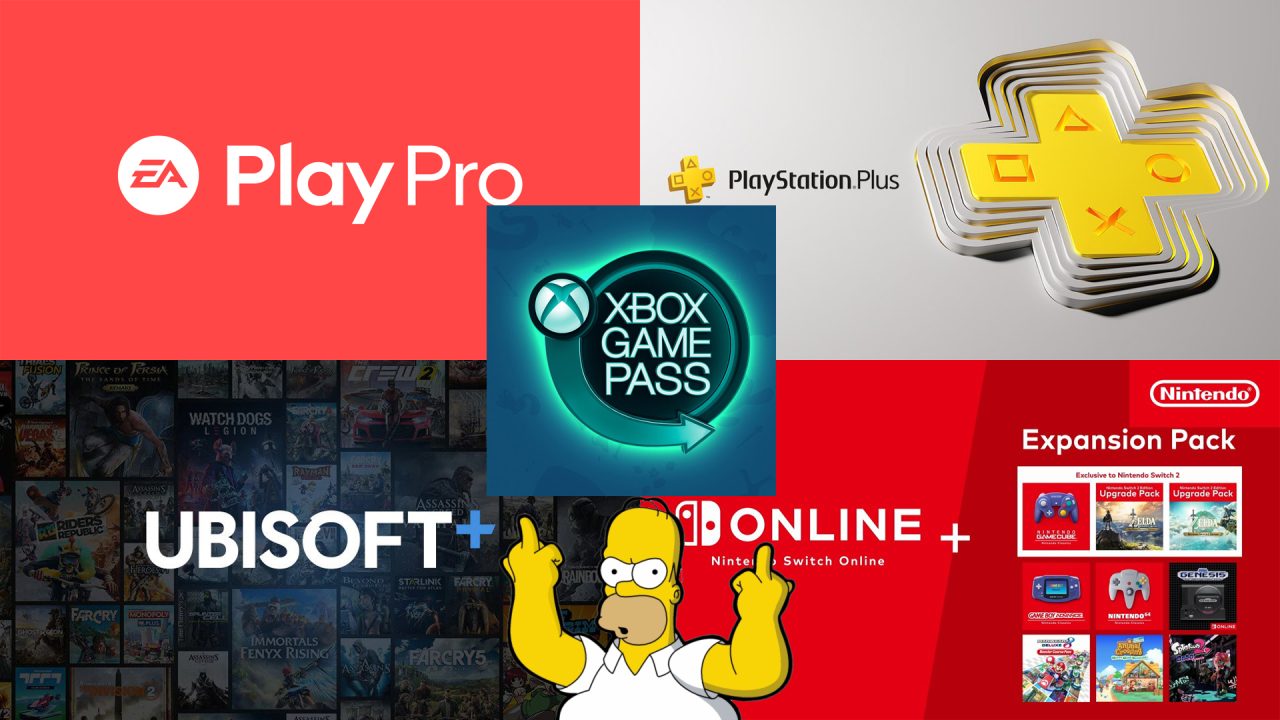
Another grift of the industry, and one that is slowly taking over the whole industry after strangling the life out of the console market, is subscription services. PC does have these things, but they are still optional, as Steam and other sales platforms still exist, but on console… Good luck. Yes, the Xbox and PlayStation Stores exist, but ask yourself: When was the last time you actually bought a game on those platforms? You’ll find that if you have something like Xbox Game Pass or PlayStation Plus, you haven’t bought something (even at their “discounted price”) for a long time, just waited till it came out on the subscription service, or just don’t bother at all… And that’s the problem.
With these subscription services, you don’t think about owning the game; you just know that you’ll play it when it hits the service, and maybe finish it or lose interest by the time it leaves. I was guilty of this for a long time. I would wait to see if a game was coming to the two services before I bothered to play it, but a lot of the time, I would be paying for the service without bothering to download or play the games on there, as I already owned many of them physically or got them through review codes. This left me wasting money when I could have put that money to buying another game, or going to CEX (an up-and-coming second-hand games store) and buying 5-6 games instead.
Then there is the segregation of these services. Do you want to play EA Games? Either pony up the money for EA Play Pro or get an Xbox Game Pass Ultimate Subscription. Are you an Ubisoft fan? Then it’s pay up or get PlayStation Plus Ultra, or whatever they call it. If you want to play things on PC, as I’ll expand upon later, you have many options when it comes to playing games at a cheap price, and you get to keep those games. When you buy games on PC, even digitally, they are rarely taken away. With these subscription services, the games rotate or get removed at random with no notification needed anymore, as you signed that right away in the terms of service that you never read.
For the longest time, PlayStation Plus was one of the best deals in this new era of subscription gaming. When Sony introduced this with the PlayStation 3, we got plenty of games monthly to add to our collection alongside other things like discounts and perks for other services. Xbox would do the same with the Xbox One, bringing their vast collection of games to a service that allowed you to access them at any time, alongside giving you a few “free” titles each month.
However, that didn’t last long. With the PlayStation 4, Sony started changing how things worked. The monthly games stopped being worth wild, but instead you got a collection of PlayStation 4 games that you could access at any time, with more added as time went by. Sounds like a good deal, right? Well, not so much. In came the price creep, the service started costing more, with the content provided becoming less and less. At the time, it sounded like Sony had seen Microsoft’s offering and shit their pants, retreating into exclusives (We’ll get to those) and making the console the best it can by giving good titles on the system. Those times did not last long.
In the modern era of consoles, both Xbox and PlayStation have turned into the same greedy creature. Xbox got rid of the Xbox Live service, and the monthly games offerings that they used to give dried up. PlayStation started to move to a more tiered pricing, much like Microsoft started doing. Prices for the subscription started going up, offerings started to become fewer, and gimmicks replaced value for money. Today, both Game Pass and PlayStation Plus provide a ton of games on their service, if you are willing to pay over $20+ for their services. The tiers under the highest paid tier provide very little content, but since you need these to play online, people keep paying. Those who are getting screwed the most are those who rely on services like these for all their games, since it’s “easier than buying, and I spend less”.
All the companies are guilty of this idea these days. Think about it, Nintendo fans, how many times have you bought NES, SNES, and other ROMs on a Nintendo Online service only to be left with nothing? This time around, you are paying not to buy them, but to rent them. The games on the Nintendo Online service are not yours; they are just lent to you for as long as you have the service. That’s not loyalty to the customer, it’s locking your access behind a paywall that Nintendo controls, same with these other services. Which brings me to the next part…
Negative: You Will Own Nothing and Like It
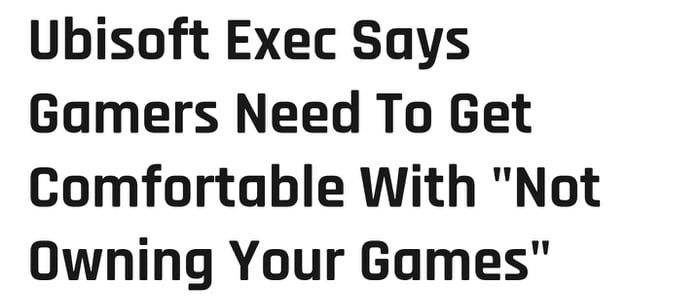
The newest anti-consumer statement on the block is the phrase “Gamers need to get used to not owning their games”. This phrase was first uttered by Ubisoft’s director of subscriptions, Phillipe Tremblay, in an interview with gameindustry.biz. This statement rocked the gaming world as the Ubisoft Exec “saying the quiet part out loud”, showing the whole gaming world the way that management types see gamers in the year of our lord 2024. Outright telling gamers that companies do not want people who pay for their product to have zero ownership for what they bought, taking away the whole concept of buying games in the first place. Imagine a world where you pay something and get nothing in return; that’s the gaming world as it stands these days, thanks to subscription services.
Going even further, Nintendo has added to the terms of service for the Nintendo Switch 2 that they hold the right to disable your whole console for any reason they deem fit. Sure, this is mainly so people will not modify the console for the purpose of piracy, but recently, there have been reports/rumors of Nintendo now bricking consoles for things such as usernames that are against their username policy. The second reason I’ll take with a grain of salt as there is no sources confirming (or are willing to risk a high-priced console) that this is a thing, but given how restrictive Nintendo has begun with their products, music, games, and anything related to their brand, this would not be too surprising.
Nintendo’s policy contributes to the whole “You will own nothing for what you buy” thing more than you might think. When Nintendo does something and gets away with it, then all the other companies will follow suit. Not owning a Nintendo Switch 2 after paying $450+ for one (I’d have to pay $700-$800) is something that goes beyond the reach that companies should have when it comes to their reach into what we buy with our money. No company should have the right to disable a product once we have paid money to buy that product. This is UK’s stupid “TV license” idea on steroids, saying that gamers do not own their consoles anymore if the company decides that they do not like what you are doing what you are doing with the product. Not to mention that Nintendo claims that this bricking of consoles cannot be reversed, meaning that there are now a lot of second-hand bricked Switch 2 consoles out there being sold to unsuspecting parents or people who are getting scammed because Nintendo demands control over their consoles at all times.
The same goes for software. Most companies have a line in their EULA or Terms and Conditions that you are buying a “license” for the game, not the game itself, meaning that they hold the right to revoke the license at any time, and there is nothing that you can do about it. The Crew, another Ubisoft title (what a non-shock), was removed from service as Ubisoft decided to shut the servers off without warning. One day, they shut the servers down, and their statement was that there was nothing they could do with the game. The single player mode stopped working because of the server shutdown too, leaving people who shouldn’t need the servers from accessing the game they bought… and Ubisoft refuses to give refunds, stating that they hold the right to do what they want since you own nothing, just a license.
The idea of owning nothing is becoming more and more common in media of all types, not just video games. The software on your computer: licenses. The movies and TV shows you watch via a streaming service: Licenses. Most modern Electric Vehicles with a computer system: Licenses. Soon enough, you’re going to be buying a license to eat food, to breathe air, to leave your house, and to just live. Thins like this are practices that we need to fight back against, and luckily, in the case of Nintendo Switch 2’s bricking clauses, some countries with consumer laws are starting to fight back… But we need to fight back more.
Negative: Holding You Hostage Through Updates and Passkeys
This one has become a HUGE pet peeve of mine with the PlayStation 5 in particular. I wanted to go into my PlayStation game library to see how many PS4/PS5 digital games I owned (198 if you’re curious, though the number bumps up to 422 if you include PlayStation Plus titles, which I didn’t since I can’t access them because I’m no longer subscribed to that ripoff), simple right? Nope!
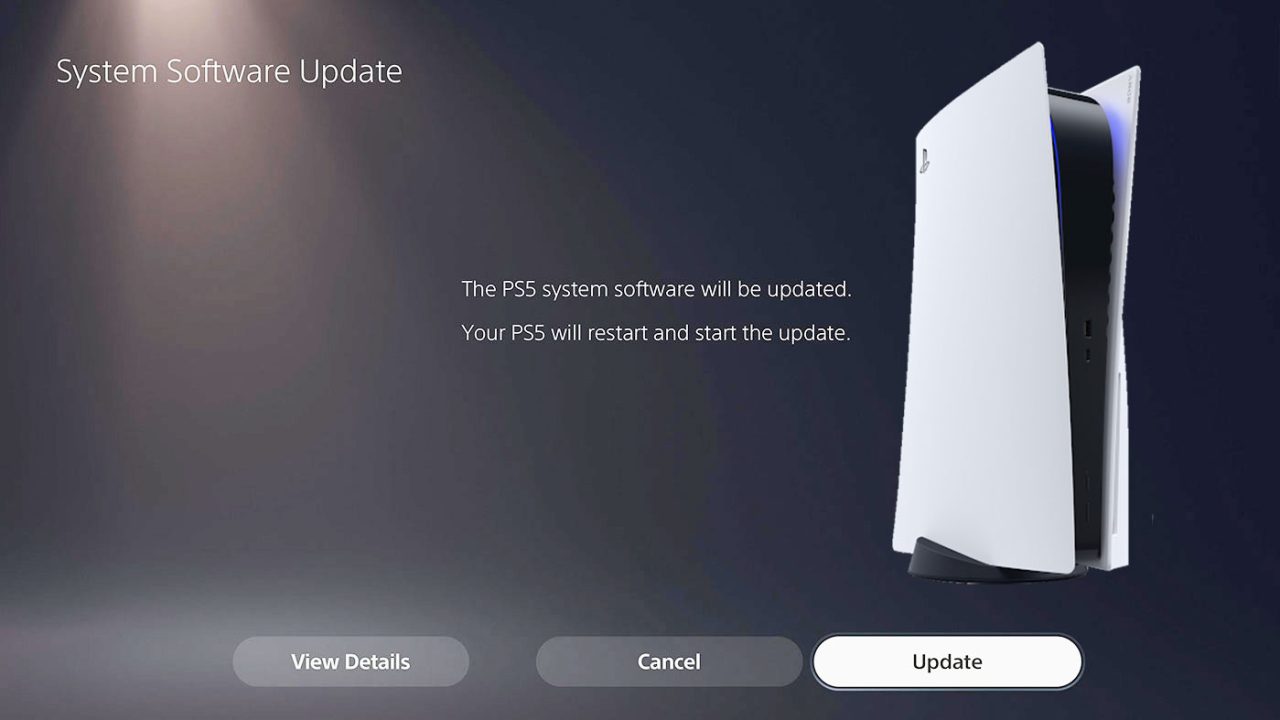
First, I had to update the console; I had no choice in the matter. When PlayStation demands that you update the software, they lock you out of everything till you do so. You can’t play games, look at your library, download games, or do anything until you update the software. So, I did as commanded. I updated the console software… Then I had to download and update the controller software. Now, you’d think that would be the end of the saga, right? NO!
Because I had to change my password on the website, I was logged out of my console. So, I went and did the sign-in… Until I was hit with the Passkey feature. Passkeys are something that have come in recently, where you have a pin code tied to your account to make signing in easier… EXCEPT!… In order to use the passkey on your console, you need to sign in via the PlayStation app, which I never had. My passkey was set up on my PC. So, I scanned the QR code, which asked me to log in on my phone, which would recognize my password since Sony doesn’t tell you that by adding a Passkey, they remove your password and 2-Factor authentication from your account! Now, I have to log in on my PC to activate the login on my phone to activate the login on my console!
I was done. I go into my account settings to deactivate the passkey so I can log into my console without running back and forth to my PC… I need to scan a QR code to access my account settings for the console on my phone, and then have to set up my password (which can’t be my previous password) and 2-Factor authentication all over again. By the time I was done, I was ready to throw the console out the window!
On PC, what do I have to do… Update the graphics driver every month or two, and I choose when I want to do it. No locking me out of the system unless I update, no complex passkey login system that makes me scan 4 QR codes to work around what is meant to be a “simple security feature”. I start my PC, update when I want to, and play games without needing to do a million other things. It’s simple, it works, and I’m in control… Is that so fucking hard to do, Sony!?
Positive: PC Gaming Deals Are Actually Deals
Once upon a time, there was a promise made as the gaming world moved to a digital landscape: “Because you don’t need to go to the store, games will be cheaper.”… Since that day, game prices have only gone up, both online and physical, instead of going down as promised, except for one place: PC.
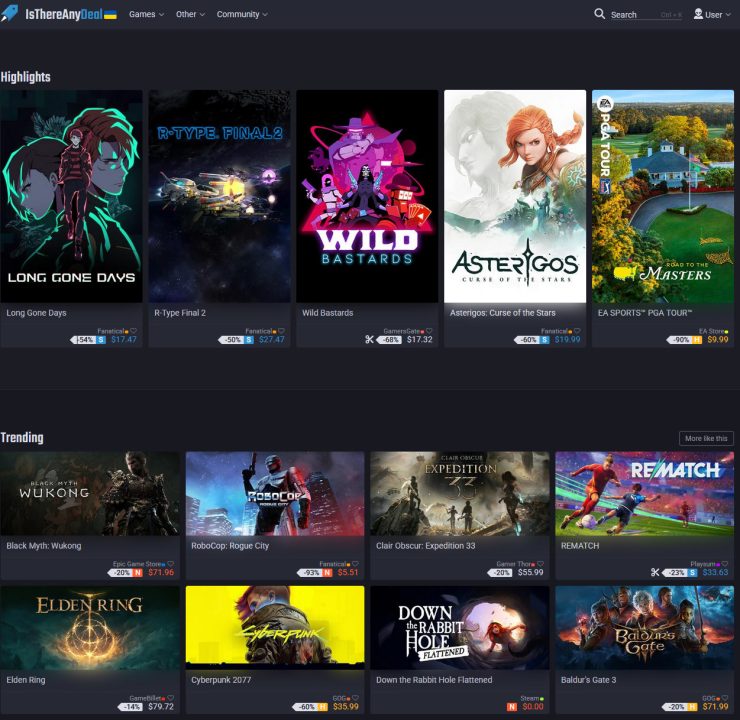
If you are looking for deals, PC is the place to go looking for them. From new releases to older classics, you will be able to find a deal for any game at any time if you know where to look. Steam does sales all the time, with their Summer Sale being a great way to buy a bunch of games you might have missed over the last year at rock-bottom prices. Outside of Steam, you have other sites like GOG, Fantastical, and Green Man Gaming, where you will find great prices on games throughout the year. I recommend the site Is There Any Deal? to find out if there is a deal on something that you are hunting.
The point here is that PC games go on sale at some point for discounts where you will save money, whereas Xbox and PlayStation do some deals of 5% off a good game and 75% of shovelware games almost all year round, PC deals will do 50% or more on great games because they follow through with the idea that digital is cheaper, since there is no physical marketplace to compare to… And don’t ask about discounts on Nintendo games, they don’t believe in discounts.
Positive: There’s a Mod For That
One of the biggest things that PC gaming does is breed creativity through mods. Once a game is released on consoles, that’s it; there is nothing more to it unless the developer pushes out some DLC for extra cash. With PC gaming, you might end up with people who make whole new levels, drop in character skins from everything under the sun, or develop whole new games from that same base game.
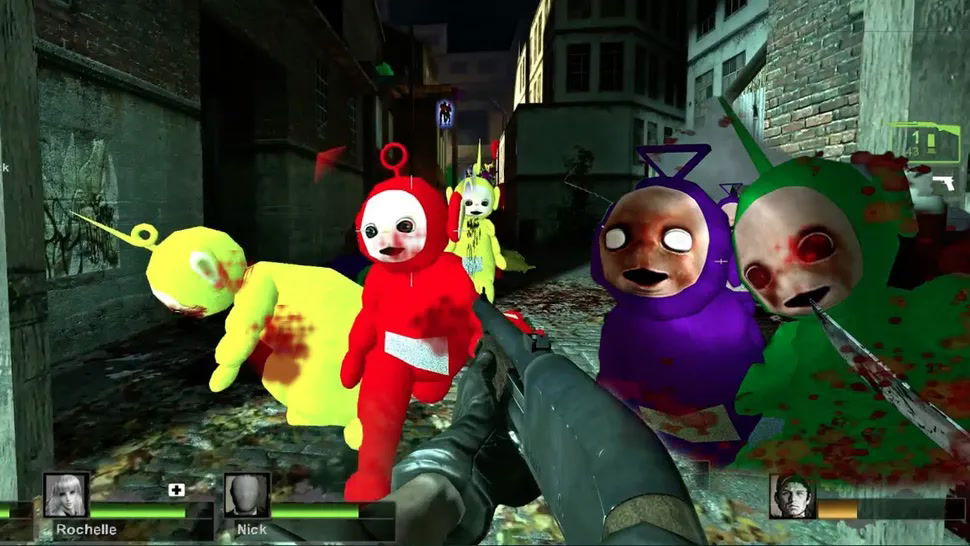
Mods, while being a legal-grey-area, are some of the best things about playing on PC. I’ve seen things from Solid Snake being turned into a female version of himself, to Thomas the Tank Engine chasing Jill Valentine through Resident Evil 3. I’ve laughed at sending a million Stormtroopers from Star Wars over the edge of a building in Left 4 Dead 2. Then there is the amazing work of full conversion mods like the many Resident Evil fan games, DOOM levels, and the creation of PUBG from a Day Z mod. There is no limit to what these creative people can add to a game that will keep you coming back to play these games time and time again, something that consoles just cannot do.
Mods keep people playing. I know a few streamers out there who have made their careers on the Resident Evil 2 mod called BioRand, a randomizer that can do anything from changing locations, items, placement, and even whole characters and storylines at the push of a button. Hell, modders can do things like upscale and remaster games like Silent Hill 2 better than Konami themselves can. These dedicated fans help keep a game going, and god bless them for it.
Positive: Cheats! Without Using Your Wallet
Cheating! And no, I’m not meaning cheating in games like COD: Warzone, Fortnite, or World of Warcraft. If you are cheating in online games, then you are scum. What I’m talking about is cheating in single-player experiences like we used to back in the day… Don’t deny it, we all cheated in a video game at some point. Unlocked a player in NBA JAM? You cheated. Unlimited lives? You cheated. Bypassing half the game was through a code? You cheated.
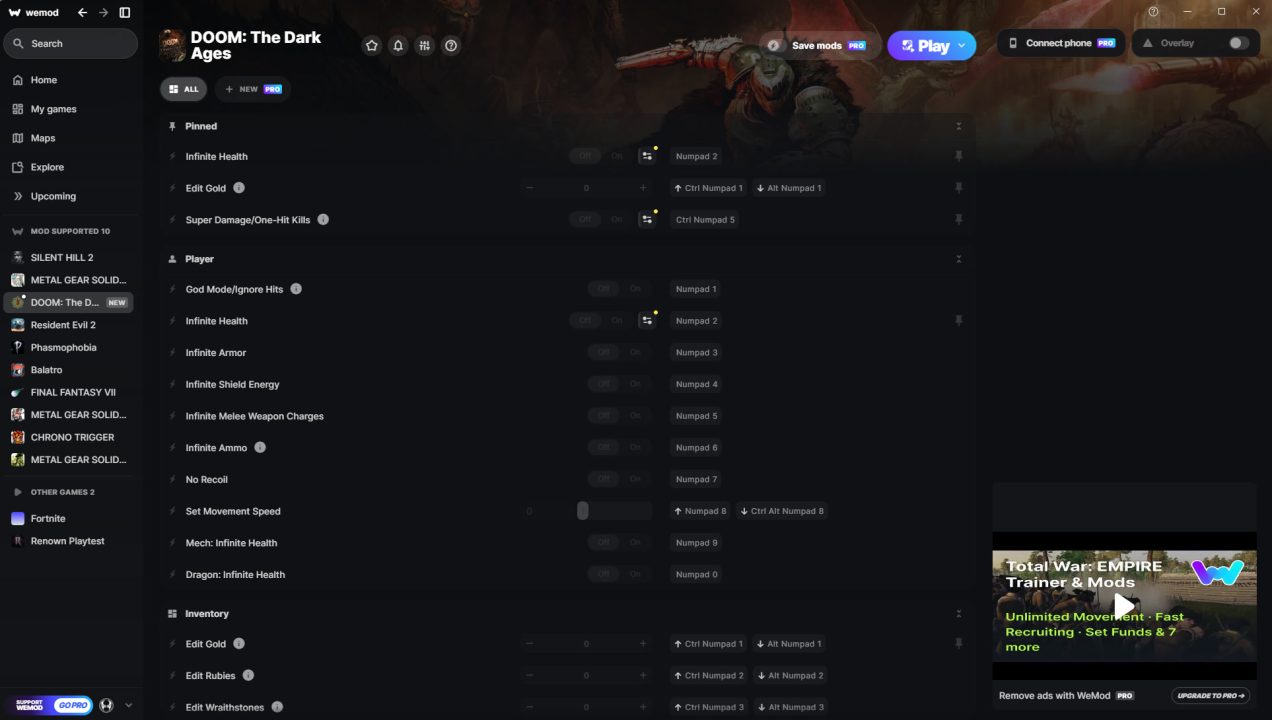
Cheating in the old ways, using codes, passwords, or other means to do so, has become something that no longer happens in console games. If you want to cheat in modern games, you need to beat the game on ultra hard mode in under 15 minutes while taking no damage. But on PC? No need to jump through the 500 developer hoops to get the same thing we used to easily. All you need to do is use a cheat program like WAND, and you’ll be flying through things in no time.
I will admit, I will play through some games with cheats enabled on PC just because I want to relax and play a game like I was relaxing on a beach drinking beer, as chill as possible. The number of times I’ll mow through Resident Evil 2 with unlimited ammo is so many that I no longer can count them. Instead of using the 2-3 unlimited ammo weapons that I have to pay for, or unlock through some dumb unlock system, or gathering credits to spend in a dumb store, I can use the basic handgun with unlimited ammo to one-shot every zombie with the flick of a toggle.
Cheating on consoles usually comes with modifying the console itself with some weird app that someone wrote, which the companies can find, ban, or brick your consoles for using. With PC, there is no risk to the game, your account, or anything else (except the game might crash). So if you want to do something outside of how the developers demand you play, then PC will give you some freedom to do things that you used to do by simply entering a code.
Positive: Past Generation Emulation
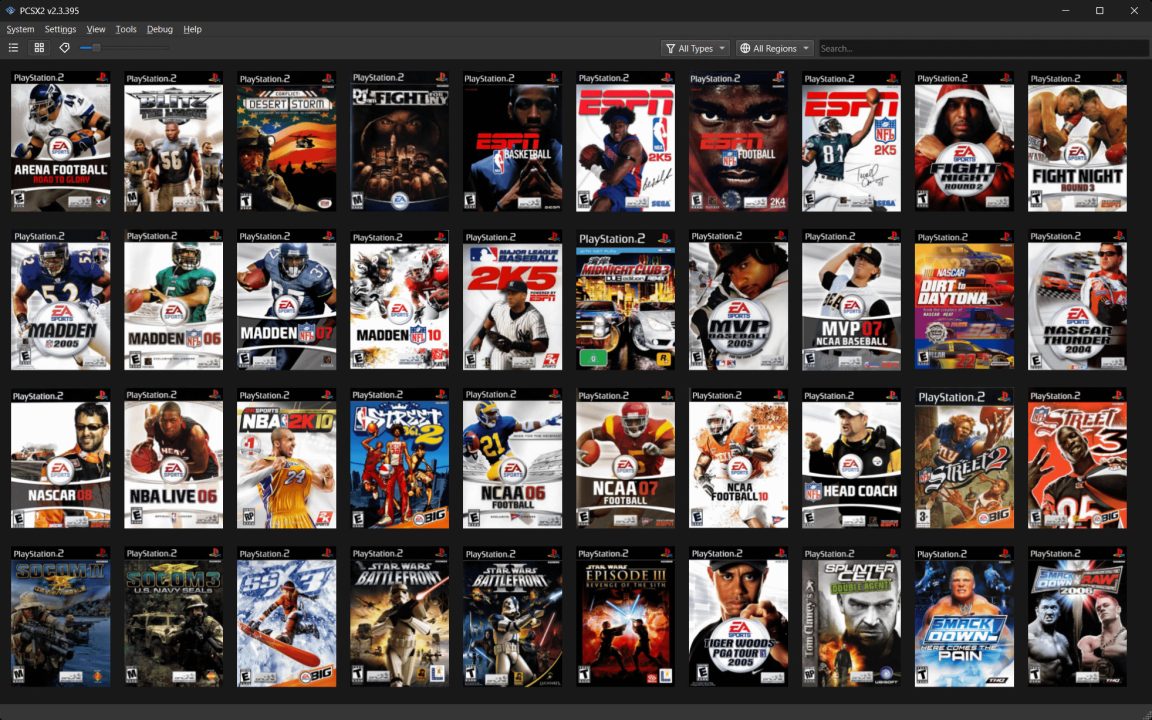
While I do own a large collection of gaming consoles and games to play on them, I’m not going to be able to complete those collections without spending millions of dollars that I don’t have. What I can do is run just about any emulator on my PC and download whole game collections to play at anytime.
Much like mods, emulation exists in a legal grey area that a lot of publishers hate. It is not illegal to have an emulator on your PC, or to develop them (despite what Nintendo thinks); however, there are some legal things you need to have the games available. Morality aside, emulation has become the easiest and best way to keep gaming libraries alive for people to play for generations to come, as the physical media starts to decay and become unrepairable.
A lot of emulation for older consoles, ranging from the original Nintendo Entertainment System to the PlayStation 3, and even modern consoles like the Nintendo Switch, can be emulated easily on a decent PC. The lower you want to go on the console requirements (Like NES through to PS1), then you can buy a cheap, second hand, $100 PC and turn it into an emulation system that will keep you entertained for hours on end with very little outlay.
Consoles, on the other hand, some can handle emulation, but most are not designed for it, making the process of building a retro collection very difficult, as most people will just buy older consoles (if they work) and limit themselves to a small collection of games. PC doesn’t have that problem.
Positive: Controllers Are No Longer Console Exclusive
One of the biggest things that separated PC and consoles was the way you played the game. PC was keyboard and mouse, consoles were controllers, and that was the way it stayed for a long time. Thanks to the invention of USB, that is no longer the case, and it’s gotten better with the invention of things like Wifi and Bluetooth. The difference between PC and console is no longer about how you play, as PC will allow you to play any way you want… While consoles… You can play some games with a keyboard and mouse, but if you use them, you might risk getting banned. Try playing Fortnite on a console with a keyboard and mouse, and you’ll be banned in no time.
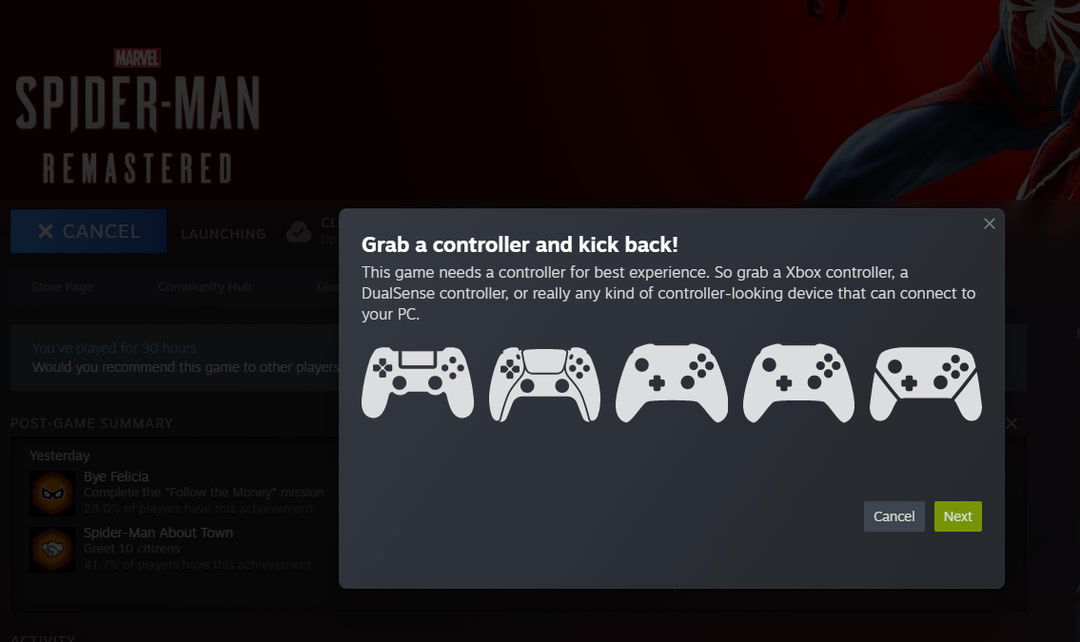
Back on PC, since most games are made universally, you can use controllers for just about any game, and some games even tell you that the “best experience” is by using a controller, since the developers didn’t bother to code keyboard control into their games. Why bother when you can just connect a controller and play that way from the start? Since most games are on both PC and console anyway, there is no difference in how you play, as you can choose how you want to play, and that’s a great thing.
Positive: Multitasking is Easier on a PC
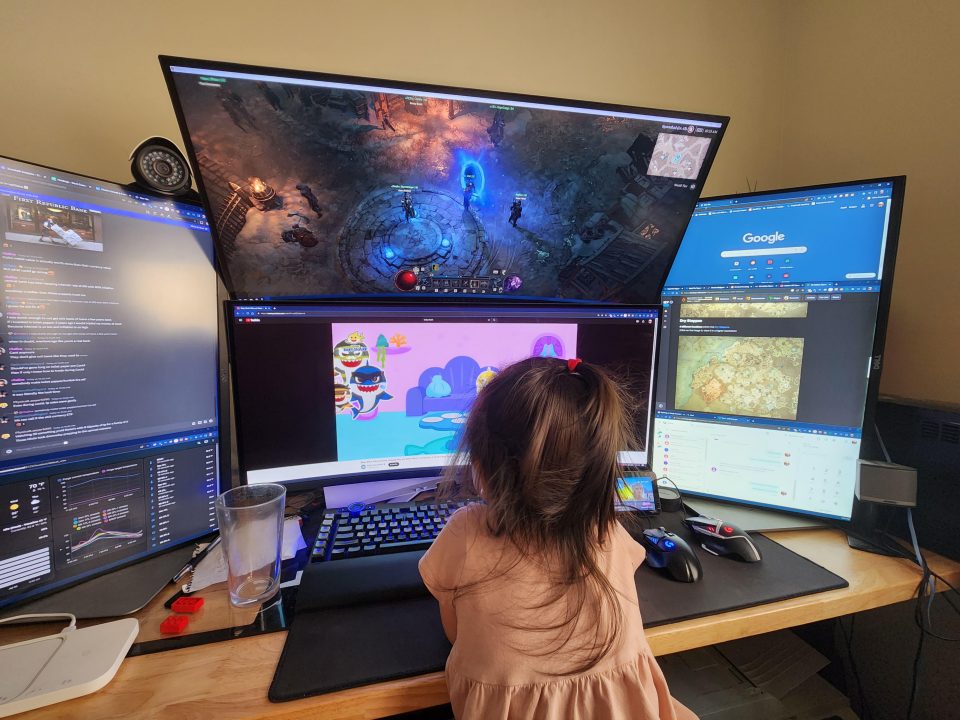
One of the best things I find with PC gaming is that I can do other things at the same time. Not only does this make things easier for reviewing a game, as I can write the review as I play, but I can also use the game in other ways easily.
Streaming has become a huge part of gaming, with many people streaming games via places like Twitch and YouTube on a daily basis. To stream via console, you either need to use the internal streaming software, which is usually crap, or buy an expensive video capture card in order to send the signal to a PC anyway. With a PC, all you need to do is load the game, get OBS to capture the program directly, or do a window capture, and away you go. Plus, you can add more to your stream like overlays, fugi reactive avatars, extra music, etc. None of that is available on consoles.
Outside of streaming, you can do other things while you game. Want to catch up on movies or anime? Just load it on a second monitor. Silent Hill giving you the creeps? Load up some music to calm your nerves. Want to talk with your friends? Discord has you. Sure, you could use the in-game chat, but that’s usually open mic, sounds shit, and leaves you open to being screamed at by some 10-year-old who thinks that “6 7” is the height of comedy, or worse, a foul-mouthed asshole who is sexist, racist, etc.
PC gaming gives you more freedom than just sitting there on the couch, watching the TV screen for hours on end. Plus, couch gaming can lead to back issues, so sitting in an ergonomic chair will be good for your health… and trust me, you need to take care of your body as much as possible.
Consoles are No Longer Worth It: Long Live PC Gaming!
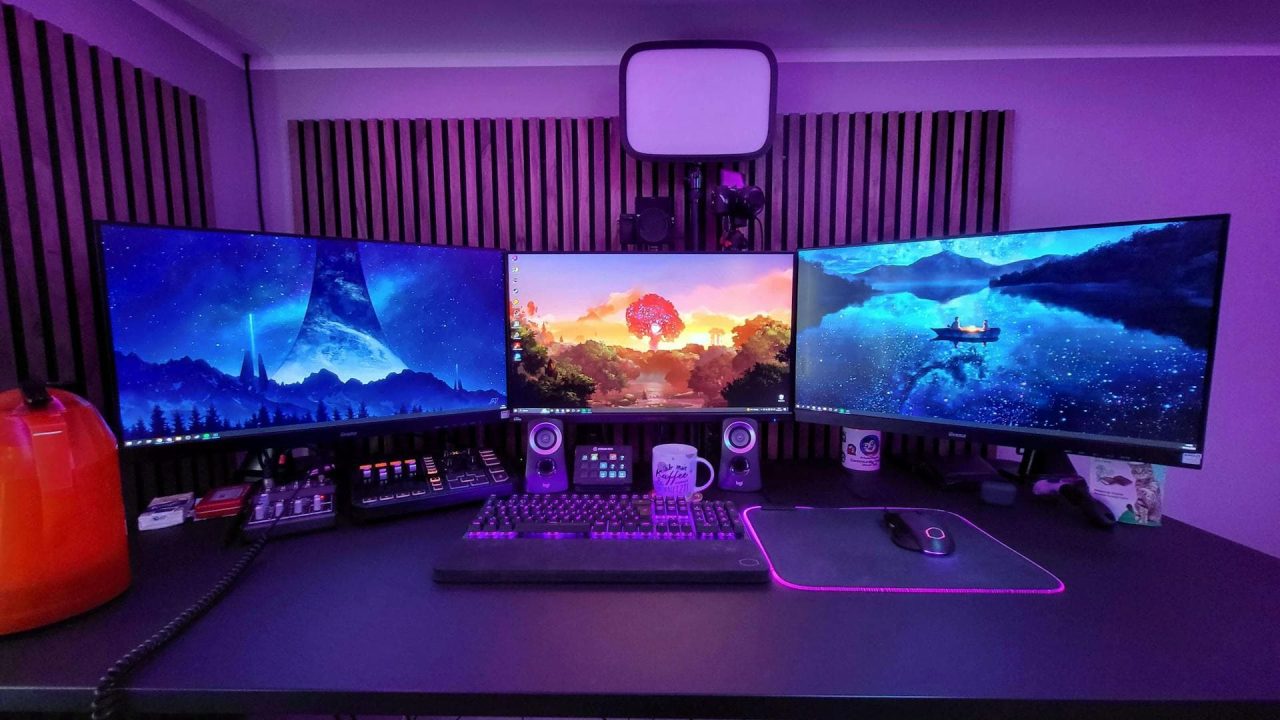
When I went to do my wrap-ups for 2025, I logged into the websites for Xbox and PlayStation, and the stats shocked me. My Xbox total game time was 8 hours played, and my PlayStation time was so low that Sony refused to bother doing a wrap-up of my time on their console. This showed me that I no longer care for playing on consoles, since they both now sit with a thick layer of dust on them. Meanwhile, my PC has become the main thing that I play games on, and with good reason. They look better, play better, and I can do more while playing them. PC gaming has become the new social network for gamers, with value for money due to actually having the games that you paid for available at all times.
Consoles, on the other hand, have become flag bearers for corporate greed, a monument to how you spend a lot on a box that you need to spend more on a subscription on in order to use, with games that are locked to stupid constraints like 30fps, 1080p resolution, and 2.1 sound. When you play on consoles, you need to admit that you are no longer getting an experience that rivals PC or surpasses it, and you are being held back for what? A couple of exclusives that arrive on PC a year later. Is that worth spending $500, or $800 on a console? No, it’s not. Even the draw of a new Mario, Metroid, or Pokémon game isn’t worth giving Nintendo money anymore. And those other two? They are so focused on getting you to pay $30+ a month for a bunch of games that they allow you access to, like you’re some peasant that should be grateful for table scraps.
I’m not saying that consoles are dead, but I am no longer wanting to buy a PlayStation 6, Xbox 720 2.0 beta, or a Nintendo Switch 2. Instead, I’m going to put that money into things like buying more games through places like Fanatical, GOG, and Steam. This way, even if I am having to play through digital means, I’m not doing it in a way that gives big companies power to control what I play and how I play it. Failing that, I can always go back and play a backlog of older titles while I chat with my friends, instead of hiding in my lounge room alone.
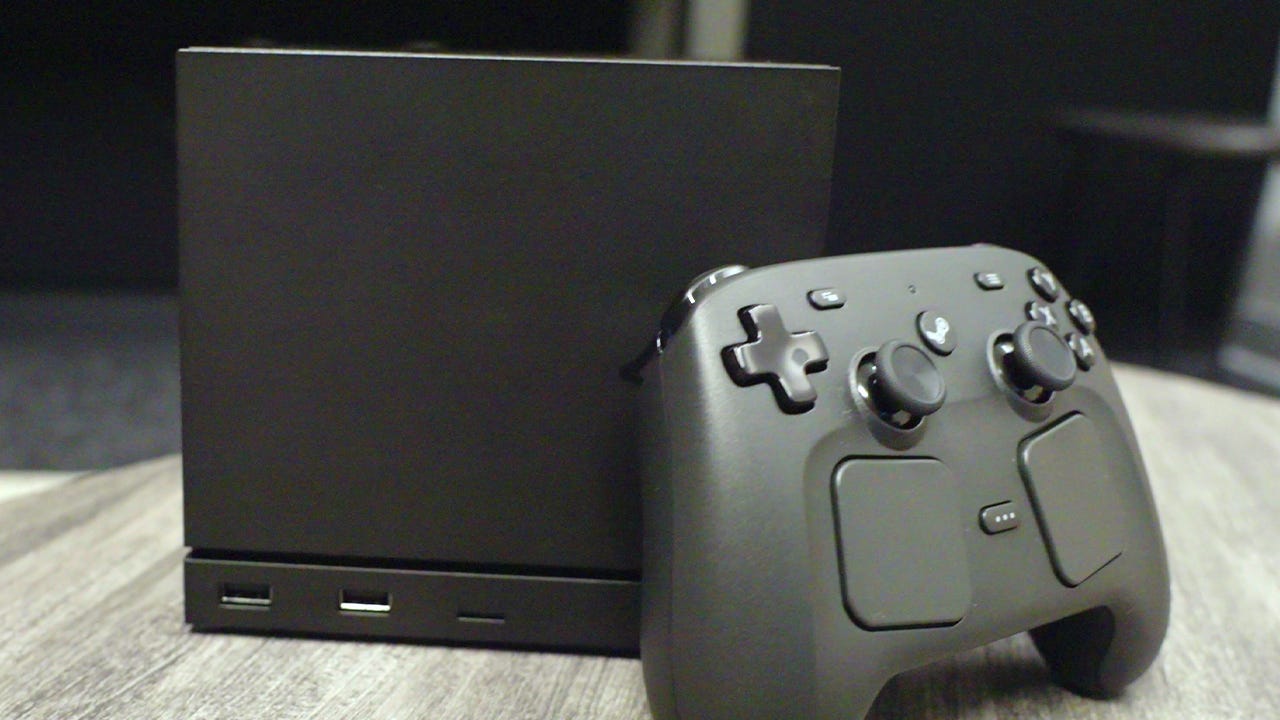
Enter: The GabeCube…
Fuuuuuuck! Just when I thought I was out, Steam announces that it is going to enter the console space for the second time. For those who forgot, Valve/Steam tried to do a console that played PC games once before with the Steam Link, which was a streaming device that would allow you to stream PC games from your PC to your TV. It sucked and failed hard. This time around, though, Valve is learning from their mistakes, taking a small form factor PC, making it run the same SteamOS that the Steam Deck does, and calling it a console… And damn, it’s got me rethinking my whole concept that I had at the start of this article.
If there is one thing I have come to love, it’s gaming on my PC, and that is not going to change. However, with the announcement of the Steam Machine (or “Gabecube”), I could play all the games that I have in my Steam library in my lounge room on my 75-inch 4K TV and 2.1 soundbar. I’ve played my PlayStation 5 on that setup and I love it, but I can’t get access to the TV enough to warrant sitting in my lounge room playing video games, as my wife, aka she who must be obeyed, has taken up the space to watch horror movies and rewatch Gilmore Girls.
Should I get a Gabecube, then I could entice her by adding her own Steam library to the system (I’m hoping it will allow access to multiple Steam accounts) and playing some of her own games on it. Even if I don’t get access all the time, this could be the thing that helps her get into gaming a lot more than she has with her recent purchase of a gaming PC, which she uses as a YouTube viewer more than anything, while I think that I’m going to stick with PC gaming from here on out.