
2025 was a pretty phenomenal year for open-world titles of all shapes and sizes. While we got some fairly mediocre offerings, the likes of Atomfall, Kingdom Come: Deliverance 2, Death Stranding 2: On the Beach, and Ghost of Yotei offered spectacular experiences well worth checking out. Of course, considering how high-profile the majority of these and their contemporaries are, it is no surprise that smaller, indie projects within the genre got overlooked. In fact, one of the best open-world games of 2025, if not the best open-world title, unfortunately flew right under the radar.
That open-world game is the immensely innovative, extremely enjoyable, and endlessly engaging The Knightling, the sophomore title from developer Twirlbound. It previously released the similarly underrated Breath-of-the-Wild-inspired open-world title Pine, although The Knightling improves upon that experience in almost every way imaginable while sprinkling in a few tricks of its own. The Knightling is so unbelievably good that I felt it was my duty to not only tell you all to play it, but to remind everyone of the similarly excellent open-world indies that are at risk of being overshadowed by their AAA brethren.
The Knightling Is A Truly Exceptional Open-World Game
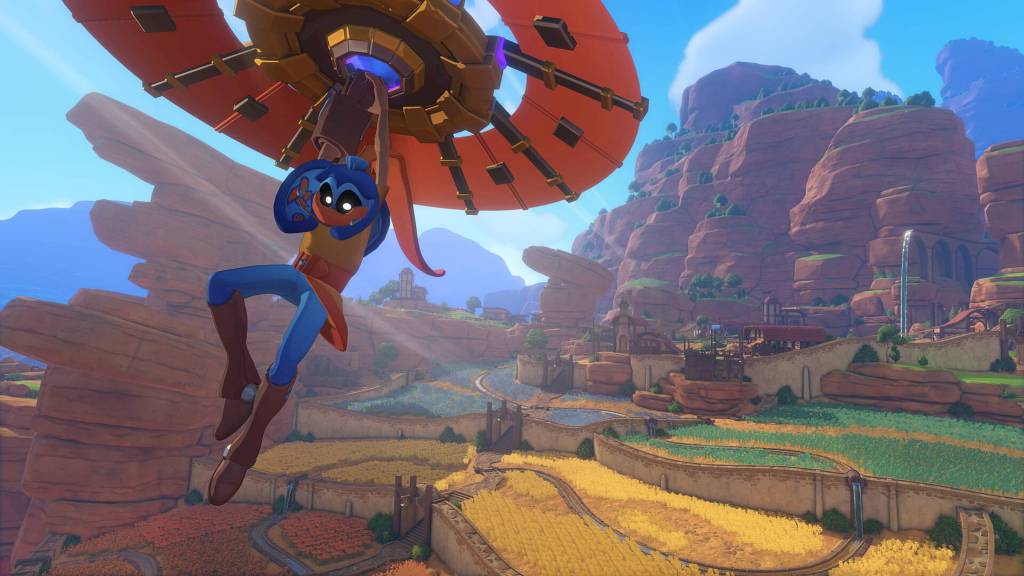
The Knightling is an exceptionally unique experience, blending the spirit of PlayStation 2 platformers like Ratchet and Clank with the exploration, variety, and creativity of Breath of the Wild. Its vast interconnected plains are visually distinct, each beautifully encapsulating the tone of fantasy archetypes while still delivering the vivid, vibrant, and wonderful touch Twirlbound is known for. They’re also mechanically and thematically unique, with each of the game’s biomes serving as its own mini world. That’s not to say the world of Clesseia feels incoherent, as each sandbox is seamlessly woven into the next while utilizing unlocks to ensure the pace and flow of the open world experience is perfectly balanced.
Crucially, it is this mechanical variety that makes The Knightling one of the best open-world experiences, as it doesn’t just slap a different coat of paint on each area and call it a day. The entire roughly 15-hour experience is kept fresh thanks to each part of the game’s map offering an increasing level of challenge, different environmental hazards, and, most importantly, movement mechanics. The Outskirts, an area full of cascading hills adorned with a myriad of colorful flowers, prioritizes your ability to slide on your shield, allowing you to practically bobsled your way across it while uncovering its many secrets.
Conversely, the Windtorn Fields are barren and sparse, filled with ruined villages and craggy mountainscapes, offering a lot of verticality and thus encouraging a greater use of the glider. The verticality and general environmental and topographic design of Clesseia also embolden the player to actively seek out its mysteries and secrets. There’s plenty to uncover in The Knightling, and no discovery ever feels lacklustre or unrewarding. It helps that the game’s fluid platforming elevates the experience of dashing, gliding, and sliding across its world. It enhances the exploration in a way that even Breath of the Wild doesn’t quite achieve, as you feel both excited about the prospect of what you’ll uncover and the act of actually getting to said discovery.
I don’t want to spoil each facet of The Knightling’s world, but suffice it to say that Twirlbound has gone above and beyond to not only make each aspect of its world and gameplay feel fresh within the context of its experience, but also offer something completely new that I and I’m certain anyone who plays it, will have never quite experienced before. Tonally, visually, and mechanically, The Knightling is rich with cleverly intricate and unique ideas. It is a miraculously designed experience that has quickly become one of the best platformers ever made in my eyes, as well as a genuinely compelling example of why indie open-world experiences are often far superior to their AAA counterparts.
The Knightling Shows We Need More Indie Open-World Games
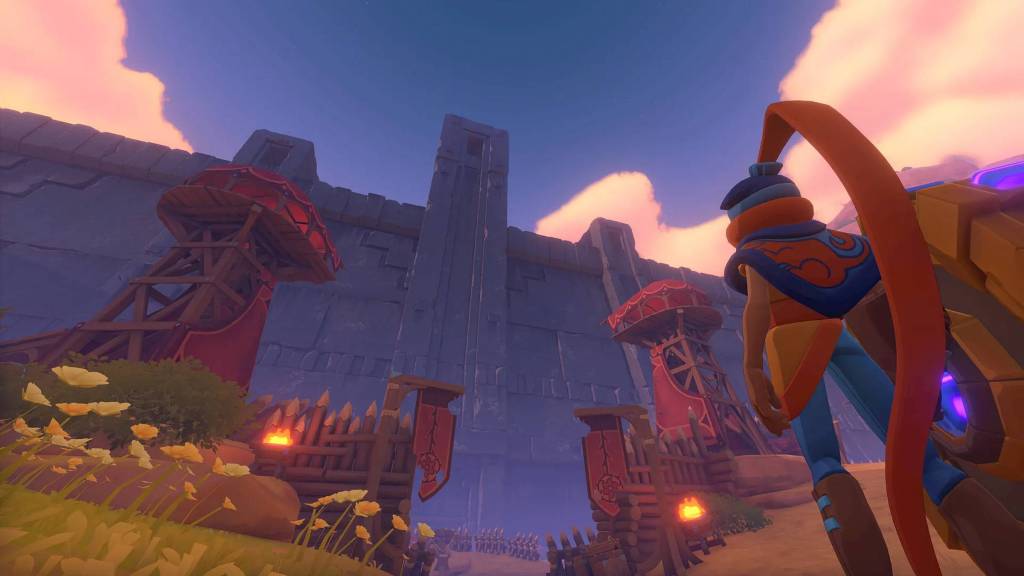
I have found that compelling open-world titles that truly dare to shake up the genre and offer something fresh and unexpected are a rare breed. While we are occasionally treated to the likes of Breath of the Wild and Elden Ring, all too often, the types of open-world fare we recieve is of an extremely low calibre. That’s why the likes of The Knightling are so important, indies and AA games that look at what is and isn’t working in the AAA space and attempt to deliver something far superior with a little dash of passion, development magic, and a unique touch.
A lot of AAA games (AAAA in Ubisoft’s case), while created by passionate individuals, are often born out of a need to cater to an ever-evolving market, designed out of a desire for money and an unwillingness to stray too far from a winning formula. The Knightling does not feel like that. It is clearly a game made with the same level of creative spirit, ingenuity, ardor, and enthusiasm for the artform as the aforementioned BOTW and Elden Ring. Sure, its lower budget may not afford it the same level of quality as those titles, but it is nevertheless filled with that same desire to offer something truly new to players.
The Knightling is, of course, not the first indie or AA open-world game to have ever released. Many of its ilk often go overlooked as well, such as the remarkably unique Outward, which took soulslike combat and spellcasting to a new level. Its sequel, Outward 2, is releasing in the near future, so too is Ardenfall, a spiritual successor to Morrowind that follows in the footsteps of other criminally underrated indie games like Dread Delusion. If you’re craving a new open-world game and the AAA fluff isn’t delivering a satisfying enough experience, then I beg you to give games like The Knightling a try.
The more these types of games are supported, the more we’ll eventually see. It takes a lot of ambition and money to deliver something on the scale and scope of The Knightling, as it did for Twirlbound’s previous open-world epic, Pine. Choosing to invest those funds in open-world experiences will only feel worthwhile if the genre ends up becoming popular enough within the indie scene. I hope that the likes of Ardenfall, Sword Hero, Outward, and more continue to get made and that people begin to flock to them. There’s a wealth of amazing, transformative, and unique experiences out there waiting to be explored. They just need brave adventurers to go out and face them.
Do you have any indie or AA open-world recommendations? Leave a comment below or join the conversation below in the ComicBook Forum!