
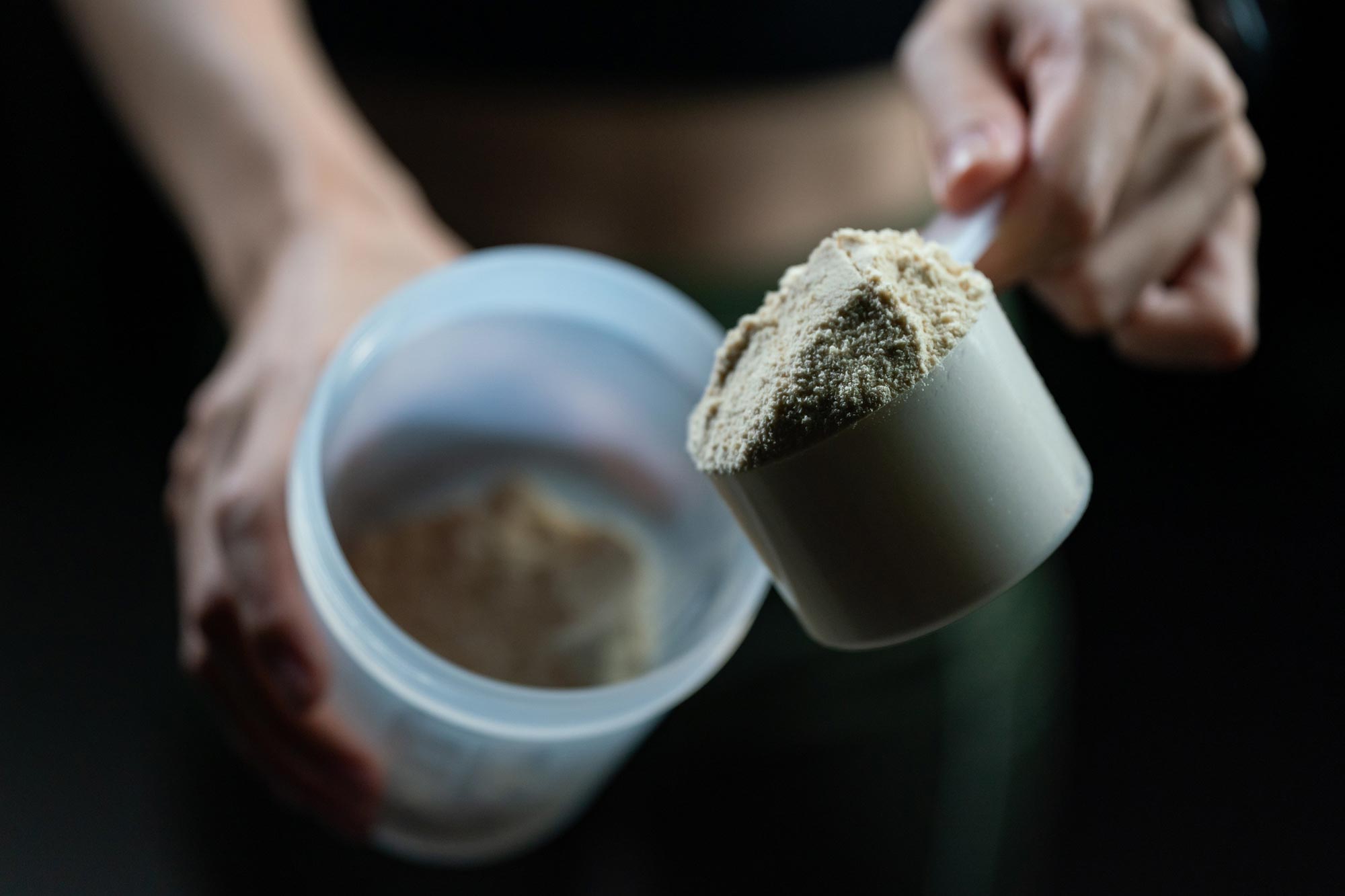
New research suggests that subtle changes in the way whey protein is processed could reshape the sensory experience of protein drinks.
New research suggests that the often chalky texture and lingering aftertaste of protein shakes may not be inevitable. Instead, they could be improved by rethinking how whey protein is processed at a molecular level.
Scientists from the University of Reading, Aberystwyth University, and Arla Foods Ingredients have developed a modified whey protein (a dairy-derived ingredient found in gym shakes and sports supplements) with a smoother, more appealing texture. Their findings, published in the International Dairy Journal, point to manufacturing methods as a key factor shaping how protein drinks feel and taste.
Addressing Common Challenges in Protein Drinks
Holly Giles, lead author and PhD researcher at the University of Reading, said: “Protein drinks can often have issues with taste and texture, making them hard to swallow and finish. We know this is a real problem for a lot of people, whether they are trying to build muscle or simply maintain their strength as they get older. The research findings give us clear directions to investigate to make protein drinks more palatable and nutritious, which could make a real difference to people who rely on them.”
This work builds on earlier research by the same team, which developed a technique to selectively concentrate whey proteins. By forcing liquid whey through a fine membrane under controlled pressure, the researchers more than doubled the typical concentration of alpha-lactalbumin. This protein is especially valuable in infant formula production.
Refining Flavor Through Processing
At the pilot-scale facilities at AberInnovation, the team applied and refined this approach to produce an alpha-lactalbumin-enriched sample and examine its effects on taste and texture. Sensory testing showed smoother texture and reduced friction in the mouth. However, it also revealed stronger bitter and peppery flavors.
Further analysis showed that these unwanted flavors were caused by minerals that became concentrated during processing, rather than by the protein itself. After modifying the filtration method to remove these minerals, the researchers produced a whey protein with flavor similar to the original control while maintaining the improved texture.
Toward More Palatable Protein Products
Dr David Warren-Walker, Senior Bioprocess Development Scientist at the Institute for Biological, Environmental and Rural Sciences (IBERS), said: “Our research has found that by using sophisticated filtration techniques, it is possible to improve the taste and texture of whey protein. This is potentially great news for protein drink manufacturers as it could make their drinks more palatable. This research has been completed at pilot scale using industrially relevant equipment and techniques, which means they could be easily reproduced by protein drinks manufacturers.”
Giles concluded: “We now have a much clearer picture of how both the proteins and minerals in whey affect the way it tastes and feels to drink. Further research has the potential to improve the taste and texture of protein drinks, making them a more palatable and appealing option to the many people wanting to increase their protein intake.”
Reference: “The sensory and physicochemical properties of an α-lactalbumin enriched whey protein and the contribution of minerals to the sensory profile” by Holly Giles, Stephanie P. Bull, Stella Lignou, Alun Hughes, David Warren-Walker, Joe Gallagher, Marianthi Faka and Lisa Methven, 7 March 2026, International Dairy Journal.
DOI: 10.1016/j.idairyj.2026.106616
Never miss a breakthrough: Join the SciTechDaily newsletter.
Follow us on Google and Google News.